Wine Pairing with Vietnamese Food: Hanoi Expert Guide
Vietnamese food's signature brightness (lime, mint, cilantro) and umami depth (fish sauce, shrimp paste) demand wines with high acidity, low tannin, and aromatic lift. Light reds (Pinot Noir, young Spanish reds), aromatic whites (Riesling, Albariño, Sauvignon Blanc), and low-alcohol sparkling wines work best; avoid heavy oaks and high alcohol. At 1EURO—our two Hanoi shops stock 260 imported wines—customers order by dish type and heat level, not by price alone. We deliver in Hanoi via WhatsApp or walk-in. The rule: match acidity to acidity, weight to weight, and sweetness to sweetness. This guide walks you through each major Vietnamese dish category, which wine types succeed, and how to order the right bottle.
Vietnamese food asks wine a specific question: can you refresh my palate without overpowering my soup, salad, or grilled meat? Unlike French or Italian cuisine, where wine sits as a co-star, Vietnamese cooking uses wine as a palate cleanser and a foil. Every sip of acidic white or light red should cut through richness (coconut milk, pork fat), cool the heat (fresh chilies), and invite the next bite.
Most Western wine advice fails here. A heavy Cabernet or buttery Chardonnay clashes with pho's delicate broth. A sweet Riesling might overpower a bitter herb salad. But a crisp Sauvignon Blanc, a dry Riesling, or a young Pinot Noir becomes part of the meal. We see this daily at 1EURO: expats order the wrong bottle once, taste the mismatch, then come back asking the right question.
Which wines pair with pho and light broths?
Pho's flavor depends on hours of simmering bones, aromatics, and slow-cooked beef or chicken. The broth is delicate, the noodles neutral, the herbs dominant. You need a wine that won't drown the broth's subtlety but will refresh between sips. Avoid anything over 13% alcohol or with heavy oak—both mask the soup's nuance.
Best matches:
- Dry Riesling (German or Alsatian): mineral, floral, slightly sweet undertone balances the savory broth.
- Sauvignon Blanc (Loire, Chile): grassy notes echo the herbs; bright acidity cuts through meat fat.
- Sparkling wine (Cava, Prosecco, Champagne): effervescence refreshes; low alcohol (11–12%) keeps it light.
- Young Pinot Noir (Burgundy, Oregon, Chile): silky tannin doesn't dominate; subtle red-fruit notes complement beef.
What to avoid: Oaked Chardonnay (too heavy), Cabernet (tannin overwhelms), anything over 14% ABV. Browse imported wine in Hanoi for current stock. A customer ordered a Beaujolais last month, found it too thick, switched to a Cava: the difference was immediate.
Conclusion: choose wines under 12.5% alcohol with acidity above 3.2 g/L (per typical Riesling or Sauvignon Blanc specs).
💬 Order on WhatsApp +84 984 914 461
What wines work with banh mi and savory street food?
Banh mi combines crispy baguette, pâté, pickled daikon and carrot, cilantro, and chilies—textures and flavors in one bite. Fish sauce and mayo add umami and richness. Wine must be dry, acidic, and able to refresh between bites without competing for attention.
Best matches:
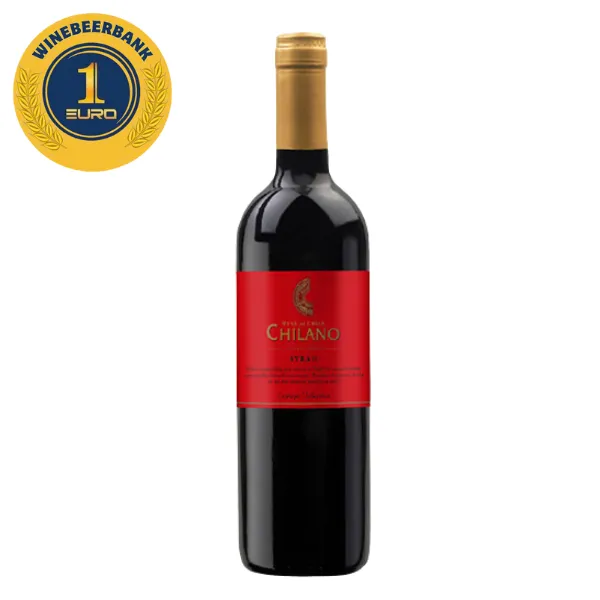
- Sauvignon Blanc (New Zealand, France): herbaceous, high acidity, mineral spine cuts through mayo and pâté.
- Grüner Veltliner (Austria): peppery, dry, refreshing; pairs with both spice and fat.
- Vermentino or light Mediterranean whites (Spain, Italy): citrus-forward, natural acidity, slight salinity echoes the pickles.
- Dry Albariño (Spain): similar to Vermentino; pairs with seafood banh mi especially well.
What to avoid: Rosé (often too sweet), Riesling over 50g/L residual sugar (clashes with savory), high-alcohol reds (overkill for a sandwich).
Italian wine and Spanish wine collections carry many of these styles. A regular ordered an Albariño for banh mi with prawns; now orders the same bottle every week.
Conclusion: prioritize wines with ≥3.0 g/L acidity and <2 g/L residual sugar for optimal balance.
How do spicy dishes change wine strategy?
Heat (from fresh chilies, chili paste, or black pepper) is not a flavor—it's a sensation that coats the mouth. Wine's job is to cool and cleanse, not to compete. High alcohol amplifies heat; tannin exacerbates it. Sweetness soothes it.
Best matches for spicy Vietnamese:
- Off-dry Riesling (12–50g/L residual sugar): sweetness calms heat; acidity cuts through it.
- Low-tannin reds (Pinot Noir, young Grenache, Carignan): silky, not astringent; slight sweetness is okay.
- Aromatic whites (Gewürztraminer, Muscat): floral, sweet, 11–12% ABV; designed to cool spice.
- Sparkling wine: effervescence interrupts heat signals; low alcohol is a bonus.
What to avoid: High-tannin reds (Cabernet, Nebbiolo—tannin sticks to the mouth and makes heat linger), high alcohol above 14% (amplifies chili burn), Sauvignon Blanc without some fruit ripeness (too sharp against heat).
A customer brought a bottle of Gewürztraminer to lunch at a nearby banh mi stall (outside our stores); came back to report it was "the only wine that made the spicy version enjoyable." Sweetness is your secret weapon here.
Conclusion: residual sugar of 15–40 g/L + tannin under 2.5 g/L = ideal spice pairing.
Which wines suit grilled and charred meats?
Nem (grilled pork rolls), thit nuong (charred pork), and grilled seafood develop caramelized surfaces and smoky depths. They're richer and more structured than banh mi or pho. Wine can be fuller-bodied but must still respect the freshness of Vietnamese plates: most grilled meat comes with a side of fresh herbs, lime, and sauce.
Best matches:
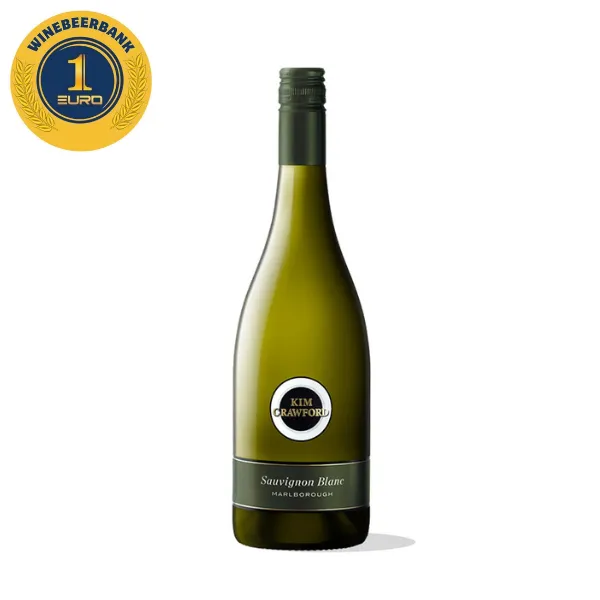
- Pinot Noir (Burgundy, Alsace, Oregon, Chile): silky tannin, red-fruit aromatics, light enough not to overpower.
- Grenache or Garnacha (Spain, Rhône): spicy, fruity, lower tannin than Cabernet; pairs with char.
- Young Barbera (Italy): high acidity, low tannin, slight bitterness echoes char; refreshing.
- Tempranillo (Spain, young): more structure than Pinot, less than Cabernet; balanced.
What to avoid: Oaked Cabernet (heavy for a meal with fresh herbs), Syrah over 14% ABV (too warm), anything tannic over 3.5 g/L (conflicts with grilled texture).
Comparison table—grilled meat wine matching:
| Dish | Wine Type | Why It Works | Tannin Level | ABV Sweet Spot |
|---|---|---|---|---|
| Pork ribs (nem) | Pinot Noir | Silky, fruity, not heavy | Low (1.5–2.5) | 12–13% |
| Charred shrimp | Vermentino or Albariño | Citrus lifts seafood, high acidity | Minimal | 12–13% |
| Beef short rib | Grenache or young Barbera | Spice + acidity + char affinity | Low–medium (2–3) | 13–14% |
| Chicken thigh (grilled) | Riesling (off-dry) or Pinot Noir | Sweetness or silky tannin | Low | 11–13% |
Browse French wine, Italian wine, and Chilean wine collections for depth. Most grilled meat pairings live in the Pinot and Grenache range, which 1EURO stocks in quantity.
Conclusion: match tannin and alcohol to char intensity; aim for wines ≤13.5% ABV and <3 g/L tannin for fresh Vietnamese plates.
What about seafood dishes and light soups?
Vietnamese seafood—crab soup, steamed fish, shrimp rolls—demands the lightest hand. These dishes are often already brined or salted. Wine must add freshness and acidity without drowning delicate flesh.
Best matches:
- Sauvignon Blanc (Loire, New Zealand): crisp, herbal, mineral; mirrors the ocean.
- Picpoul de Pinet (France, Mediterranean): salinity, high acidity, subtle fruit; designed for seafood.
- Dry Riesling or Kabinett (Germany, Alsace): bright, floral, slight sweetness balances brine.
- Verdicchio (Italy): mineral, dry, structured; less obvious than Sauvignon but excellent.
- Sparkling wine (Prosecco, Cava, Champagne): low alcohol, effervescence, elegance.
What to avoid: oaked Chardonnay (masks fish), Pinot Noir (tannin inappropriate), anything over 13.5% ABV (warms seafood flavor).
Browse sparkling wine for crab and lobster dishes. A customer paired a dry Riesling Kabinett with a steamed fish dish and reported the subtle sweetness and high acidity were "exactly what the fish needed to sing."
Conclusion: prioritize wines with acidity ≥3.2 g/L, alcohol <13%, and minimal oak for seafood success.
A practical checklist before you order
You now have types and reasons. Here's what to verify before committing:
- Identify your main dish: pho, banh mi, grilled meat, seafood, or mixed?
- Note the heat level: mild, medium (one fresh chili), or hot (paste or several chilies)?
- Check alcohol tolerance: if you're eating for 2 hours, stay under 12.5% ABV average.
- Confirm acidity preference: Do you like sharp wines (Sauvignon, Grüner Veltliner) or softer wines (Riesling, Pinot Noir)?
- Decide residual sugar: For spicy food, offerer wines with 15–40g/L. For non-spicy, stay dry to off-dry (<15g/L).
- Bottle format: Full bottle (750 ml), half-bottle (375 ml for 2–3 people), or a by-glass order (if dining out)?
- Storage at home: Vietnamese heat demands a cool, dark spot. If you don't have one, drink sooner or order smaller quantities.
What to check before buying:
- Read the label for ABV, region, and vintage (older Burgundy or Alsace Riesling may be more complex but pricier).
- Ask staff about oak level (if "unoaked" or "stainless steel" is mentioned, it suits Vietnamese food better).
- For white wine, check residual sugar if not stated—ask 1EURO staff via WhatsApp before ordering.
- Order a half-bottle first if you're unsure; most wines open at both 1EURO locations can be sampled or returned within 30 days.
📍 Visit a 1EURO store (Kim Ma, Ba Dinh or The Manor, Hoang Mai) to taste before you buy, or WhatsApp photos of the label for staff guidance.
The real pairing strategy: acidity and alcohol match your food's richness and heat, not your budget or a wine list's ranking. Vietnamese cuisine rewards restraint in wine—let the food lead, and wine refreshes. Start with Sauvignon Blanc or dry Riesling (safest for most Vietnamese meals), then branch into Pinot Noir, Grenache, or sparkling wine as you refine your taste. Return visits to 1EURO are common: customers order once, taste the mismatch or success, and refine their next choice with staff advice.
💬 Order on WhatsApp +84 984 914 461
FAQ
Can I pair the same wine with all Vietnamese dishes?
No. Pho needs light, low-tannin whites or reds under 12.5% ABV. Spicy dishes need residual sugar (15–40 g/L) to cool heat. Seafood needs high acidity (≥3.2 g/L) and minimal oak. One versatile option: dry Riesling (11–12.5% ABV, ~5–10 g/L residual sugar) works across most dishes because it balances acidity, sweetness, and alcohol.
Does Vietnamese food really need wine, or is beer better?
Both work, but differently. Beer's carbonation and low alcohol (4–5% ABV) refresh like wine but lack the complexity. Wine's acidity actively cuts through umami and fat; its aromatics echo herbs. For a meal focused on balance, wine is often superior. Beer shines at casual street food; wine elevates a sit-down dinner.
I don't like dry wine. Can I use sweet wine for Vietnamese food?
Yes, but carefully. Sweet wine (Riesling with 30–50 g/L residual sugar, Moscato) works beautifully with spicy dishes because sweetness soothes heat. Avoid it with savory banh mi or non-spicy pho; the sweetness will clash. Off-dry (10–20 g/L) is the safer middle ground for mixed meals.
What's the best temperature to serve these wines?
Whites and sparkling wine: 8–12°C (not ice-cold; chill kills acidity and aroma). Pinot Noir and light reds: 12–14°C (cellar temperature, not room temperature). Most 1EURO customers chill in the fridge for 2–3 hours before serving. Vietnamese heat means wines warm quickly; drink within 20 minutes of opening for maximum freshness.
Where in Hanoi can I buy wine for Vietnamese food pairings?
1EURO operates two shops: Kim Ma (Ba Dinh) and The Manor Central Park (Hoang Mai), both stocking 260 imported wines. Order on WhatsApp +84 984 914 461 for delivery inside Hanoi, or walk in. Staff can recommend by dish and heat level. See store locations.
Can I return an opened bottle if it doesn't pair well?
1EURO offers a 30-day smile guarantee on sealed bottles. If an opened bottle doesn't suit your meal, contact staff via WhatsApp with the label photo; they'll advise on alternatives or suggest a refund for future orders. The guarantee applies to sealed bottles; once opened, the pair is your call.