Wheat Beer Price in Vietnam: What to Pay & Where to Buy
Wheat beer pricing in Vietnam reflects import tariffs, origin country, and local demand. At 1EURO—operating two Hanoi locations (Kim Ma, Ba Dinh and The Manor Central Park, Hoang Mai)—wheat beers span multiple tiers: German Hefeweizen typically anchors the mid-range; Belgian Witbiers and fruit-infused wheat styles occupy the premium segment; Czech wheat ales remain scarce but moderately priced when stocked. Bottle volumes run 330–750 ml. Single bottles suit casual tasting; 6-packs or cases offer better per-unit economics for regular consumption or entertaining. Storage at 4–6°C preserves flavor; serve at 50–55°F in tulip or Weizen glasses to unlock banana, clove, and citrus notes. Order via WhatsApp (+84 984 914 461) for delivery inside Hanoi, or walk in during shop hours to inspect stock and get real-time advice.
What makes wheat beer more expensive than lager in Vietnam?
Wheat beers demand higher import duties and shipping costs than standard lagers because breweries in Germany, Belgium, and Czech Republic produce smaller volumes and charge premium wholesale prices. Unfiltered variants (Hefeweizen) and fruit-infused wheat ales require temperature-controlled containers, adding logistics expense. Belgian Witbier, brewed with orange peel and coriander, involves more complex ingredient sourcing than basic pilsners. These costs flow directly to your shelf price. Expect 20–40% markup over comparable pale lagers at the same shop. Rarity and brewing tradition justify the premium: a single Hefeweizen bottle represents labor-intensive fermentation and yeast management that mass-produced beers skip.
Which wheat beer types do 1EURO stock, and how do prices compare?
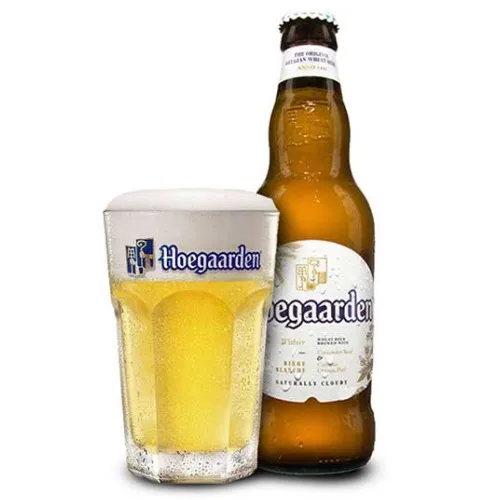
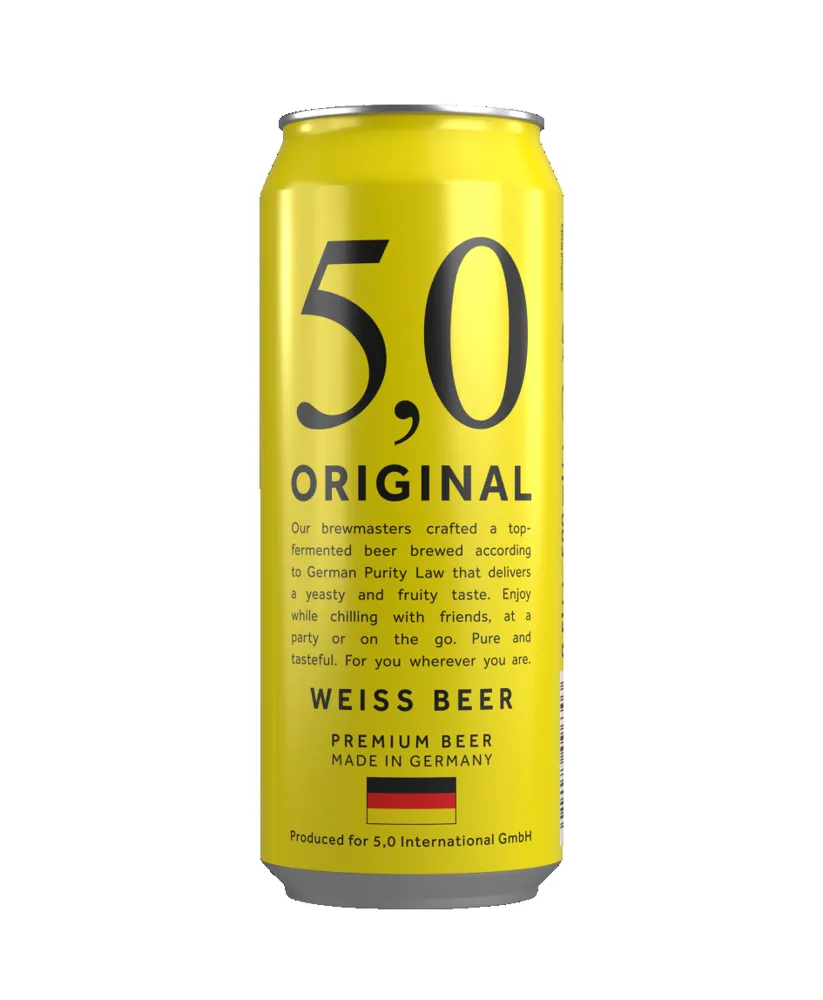
1EURO carries three main wheat beer categories across its inventory. German Hefeweizen and Dunkelweizen represent the largest selection—traditional, fruit-forward, and reliably priced in the accessible mid-range. Belgian Witbier and Tripel-wheat hybrids occupy the premium tier due to smaller production runs and spiced profiles; these suit special occasions or collectors. Czech wheat ales and rare Germanic Kellerbier variants appear sporadically, priced per import availability rather than fixed catalog slots. Single 330 ml bottles allow budget-conscious testing; 6-packs compress per-unit cost by 10–15% versus singles. Visit both shops or message WhatsApp to confirm current stock: inventory rotates monthly.
How should you choose wheat beer by occasion and food pairing?
Occasion & Pairing Decision Framework:
| Occasion | Wheat Beer Style | Food Match | Bottle Size | Why This Works |
|---|---|---|---|---|
| Solo tasting / first-time | German Hefeweizen | Soft cheese, fruit, nutmeg pastry | 330 ml | Approachable, banana/clove notes, no intimidation |
| Dinner with spiced Vietnamese dishes | Witbier (coriander, citrus) | Grilled fish, lemongrass curry, spring rolls | 330–500 ml | Orange peel & spice complement heat without clash |
| Summer gathering (4–6 people) | Hefeweizen or Dunkelweizen | BBQ, sausage, wheat bread | 6-pack 330 ml | Low ABV (5–5.5%), refreshing, pairs broadly |
| Formal gift or collection addition | Rare Belgian or Czech wheat | Dessert, blue cheese, conversation | 750 ml | Collectible, statement value, premium presentation |
Hefeweizen's fruity esters (banana, pear) mirror Vietnamese sweet elements in desserts and sauces. Witbier's herbal coriander bridges Asian spice profiles without competing. Dunkelweizen's chocolate-bread undertones suit autumn and winter entertaining. Match serving vessel too: tulip glasses concentrate aroma; tall Weizen glasses showcase yeast and head.
💬 Order on WhatsApp +84 984 914 461
What differences exist between wheat beer price tiers, and who should buy each?
Entry-Level Wheat (330 ml singles): Accessible German Hefeweizen and unspiced Belgian whites occupy this band. Expats new to wheat beer, casual drinkers, or those sampling before buying cases fit here. Pricing rewards bulk orders: three singles cost more than a 6-pack.
Mid-Tier Premium (500 ml or specialty Hefeweizen): Darker wheat ales, organic variants, and lesser-known German breweries sit in this zone. Repeat buyers, small dinner hosts, or gift-givers seeking quality without extravagance belong here. Per-bottle cost remains higher than entry-level but justifies itself via rarity or brewing technique.
Collector & Rare Tier (750 ml bottles, vintage wheat, ultra-limited Belgian): Oenophiles, serious collectors, corporate gift-buyers, and Tet hamper assemblers pursue these. Expect maximum scarcity and provenance research. Pricing reflects true rarity; 1EURO's curated import network sources these specifically. Storage and authentication matter—ask staff about producer, vintage, and condition before committing.
Budget rule: single 330 ml trial runs $X–$Y; case purchases cut per-bottle cost by 15–20% (per pricing upon order).
How do you avoid common mistakes when ordering wheat beer in Hanoi?
Pre-Purchase Checklist:
- Check storage condition: Wheat beers degrade in heat or direct sunlight. Ask 1EURO staff how long stock has been refrigerated. Unfiltered Hefeweizen loses yeast vibrancy within 6 months if stored warm.
- Verify freshness date: European breweries stamp production or best-by dates on labels (often back-of-bottle or cap). Request bottles from the most recent shipment; Hanoi's tropical heat accelerates aging.
- Confirm ABV and style: Don't assume "wheat" means mild. Some Belgian Tripels reach 9–10% alcohol; Czech wheat ales may be drier than expected. Read the label or ask staff for tasting notes before ordering cases.
- Choose the right volume: 330 ml suits singles or tasting; 500 ml balances value and freshness for small groups; 750 ml makes sense only for special occasions or cellaring (which wheat beer rarely justifies beyond 2 years).
- Ask about serving gear: Tulip or Weizen glasses aren't luxuries—they unlock wheat beer's aromatics. 1EURO staff can advise; some gift sets include appropriate glassware.
- Lock in delivery timing: WhatsApp orders take 1–3 days inside Hanoi. Cold chain matters; request morning or evening delivery to minimize heat exposure.
Where in Hanoi can you inspect and buy wheat beer at the best value?
1EURO operates two full-service locations stocked with imported beer and wine: Kim Ma, Ba Dinh district and The Manor Central Park, Hoang Mai district. Both shops maintain 4°C refrigeration and staff trained to explain wheat beer styles, origins, and food pairing. Walk-ins inspect bottles, ask questions, and compare side-by-side; no pressure sales. For convenience, message +84 984 914 461 on WhatsApp with bottle names, quantities, and delivery address; staff confirm availability, calculate shipping, and arrange payment within 24 hours. Delivery inside Hanoi runs 1–3 days. Visiting in person lets you spot fresh stock and avoid ordering out-of-stock items—a common friction point when ordering blind online. Check the price list before ordering to set expectations.
What to Check Before You Buy
Before placing a wheat beer order, confirm three points with 1EURO staff:
- Freshness: When did this bottle arrive in-country? Wheat beers with live yeast (Hefeweizen) decline noticeably after 4–6 months refrigerated. Ask for the most recent shipment.
- Serving requirements: Do you own a tulip glass or Weizen glass? Staff can recommend glassware; some beer-and-glass gift packs bundle both affordably.
- Volume vs. occasion: Will one person drink a 750 ml bottle, or are you hosting? Single 330 ml bottles are safer for first-time tasting; 6-packs suit repeat enjoyment.
FAQ
Do wheat beers cost more in Vietnam than in Germany or Belgium?
Yes. Import tariffs, freight, and local markup add 40–60% to European shelf prices. A Hefeweizen sold in Germany for €2–3 retail often costs 30–50% more in Hanoi due to supply chain length. 1EURO's sourcing minimizes markup, but cannot compete with European domestic pricing.
Can I order wheat beer on 1EURO's website, or is WhatsApp the only way?
Both work. Visit 1EURO's main site to browse the catalog and pricing; WhatsApp (+84 984 914 461) accelerates order confirmation and delivery arrangement, especially for urgent or bulk orders. Website browsing suits research; WhatsApp suits transactions in Hanoi.
How long does wheat beer stay fresh once I buy it?
Refrigerated (4–6°C), unfiltered Hefeweizen lasts 4–6 months; filtered wheat ales and Witbiers last 6–8 months. Belgian Witbiers age slightly better than German wheat styles. Never store in sunlight; tropical Hanoi heat cuts these timelines by half. Consume within 1–2 months of opening for best flavor.
What's the difference between Hefeweizen and Witbier, and why do they cost differently?
Hefeweizen (German) is yeast-forward, fruity, and unfiltered; Witbier (Belgian) is spiced with coriander and orange peel, often filtered. Witbier's ingredient complexity and smaller production runs command a 10–20% premium per bottle. Both sit in 5–5.5% ABV. Choose Hefeweizen for fruit and approachability; Witbier for herbal spice and sophistication.
Can wheat beer be a gift in Vietnam, and does 1EURO offer Tet gift sets?
Yes. 1EURO's Tet gift sets bundle wheat beers with wine, spirits, and glassware in curated boxes suitable for corporate or family gifting. Wheat beer gift sets often pair Hefeweizen with light snacks or glassware, making them thoughtful and premium-feeling. Order early during Tet season (December–January) to confirm availability.
If I order wheat beer on WhatsApp, how do I pay, and what's the delivery cost?
Staff share payment details and delivery charges upon order confirmation. Delivery inside Hanoi typically runs 1–3 days. Orders over a certain threshold may qualify for free delivery per current promotions—ask when ordering. 30-day satisfaction guarantee backs every order: contact staff if the product arrives damaged or mismatched.