What Is Sangiovese Wine? Italian Red Guide for Hanoi
Sangiovese is a red wine made from the sangiovese grape, native to central Italy (Tuscany especially). The wine is medium-bodied, with cherry and plum fruit, earthy undertones, and firm tannins that age well. Styles range from Chianti (lighter, younger-drinking) to Brunello di Montalcino (powerful, 5+ years aging). Acidity is a hallmark—it cuts through rich food and pairs naturally with Italian pasta, roasted meats, and aged cheeses. 1EURO stocks Italian wine from established regions; order on WhatsApp +84 984 914 461 or visit our Hanoi shops (Kim Ma, Ba Dinh or The Manor, Hoang Mai) to taste before committing.
Sangiovese is Italy's most planted red grape and backbone of some of the world's finest wines. It thrives in Tuscany's limestone hills, where cool nights preserve acidity and tannic structure. The name means "blood of Jupiter" in Italian—a nod to its deep color and bold character.
Why does sangiovese have so much acidity and tannin?
Sangiovese grapes have thick skins and ripen late in cool climates, building high tannin and acid naturally. This structure—not weakness—is the wine's strength: it ages for decades, cuts through fatty foods, and stays fresh on the palate for hours. A 10-year-old Brunello is still vibrant; a Chianti from a good vintage survives table-to-fridge transitions without fatigue. This is why sangiovese pairs with roasted lamb, aged Parmigiano, and wild boar better than softer reds. Choose sangiovese when you want a wine that _works_ at the table, not just tastes ripe.
Which Italian regions make the best sangiovese?
Tuscany is the heartland. Within it, four zones define quality:
| Region | Style | Tannin level | When to drink | Pairing |
|---|---|---|---|---|
| Chianti (DOCG) | Cherry, herbs, lighter | Medium | 2–8 years | Pasta, chicken, pizza |
| Chianti Classico | Riper cherry, structure | Medium–high | 3–10 years | Tuscan steak, risotto |
| Vino Nobile di Montepulciano | Dark plum, spice, warm | High | 4–12 years | Braised beef, game |
| Brunello di Montalcino | Concentrated, earthy, powerful | Very high | 6–25 years | Aged cheeses, roasted meats |
Chianti is the entry point—affordable, ready to drink now, no cellaring required. Brunello demands patience but rewards it with complexity. Visit 1EURO's Italian wine collection to compare styles side by side.
💬 Order on WhatsApp +84 984 914 461 | 📋 See the price list
How do you serve sangiovese correctly?
Sangiovese tastes best at 16–18°C (60–64°F)—slightly cool of room temperature. Decant young Chianti 15–20 minutes to soften tannin; older Brunello benefits from 30–45 minutes but can drink straight from the bottle if you enjoy grip. Use a Bordeaux-shaped glass (taller, narrower bowl) to frame acidity and cherry aromatics. Pair with umami-rich dishes: Vietnamese grilled pork, braised oxtail, or aged fish sauce–based broths work as well as Italian classics.
Don't chill sangiovese below 14°C—cold masks its acidity and makes tannin feel harsh. Room-temperature pouring (22°C+) softens tannin but dulls fruit. If your Hanoi apartment is warm, place the bottle in a cool corner for 30 minutes before serving.
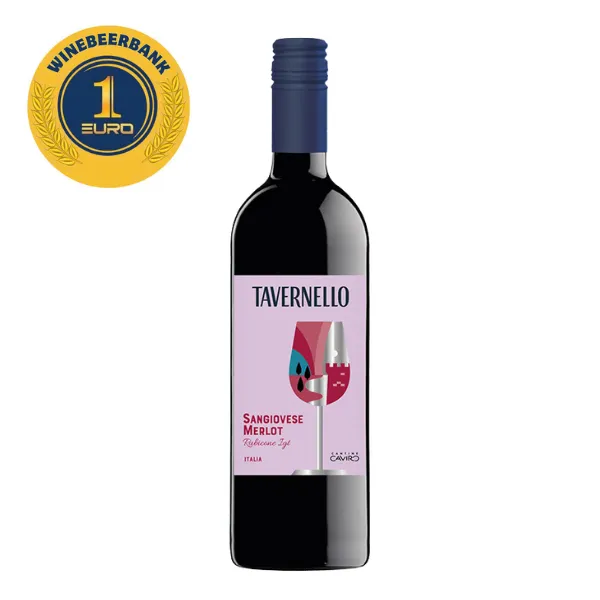
What is the difference between sangiovese and other Italian reds?
Sangiovese's defining trait is high acid + tannin + modest alcohol (12.5–14.5% ABV typically). This creates a wine that feels lively, not heavy—ideal in hot climates or with spicy food. Contrast:
- Barolo & Barbaresco (Piedmont, nebbiolo): higher alcohol (14–15%), darker plum, more austere, fewer food partners.
- Amarone (Veneto, corvina blend): concentrated, sweet edge, 15–16% ABV, richness over finesse.
- Aglianico (Southern Italy): high tannin like sangiovese but riper, warmer-climate profile.
If you want Italian red for Vietnamese cuisine (pho broth, grilled fish, pickled vegetables), sangiovese's acidity wins. If you prefer bold, ripe, full-bodied reds, explore other Italian wines or French alternatives.
How do you pick a sangiovese that fits your budget and taste?
Entry level (under a listed price VNĐ): Young Chianti DOCG, Chianti Classico base cuvée. Cherry-forward, soft tannin, drink now. Beginner-friendly; pairs widely.
Mid-range (a listed price–1.2m VNĐ): Reserve Chianti Classico, mid-tier Vino Nobile. More structure, ageability, complexity. Good for special dinners or cellaring 3–5 years.
Premium (1.2m+ VNĐ): Brunello di Montalcino, top-tier Vino Nobile. Serious tannin, 10+ year potential, depth. For collectors or landmark occasions.
Decision checklist:
- Are you drinking tonight? → Chianti, young Vino Nobile.
- Storing 3–5 years? → Reserve Chianti Classico or mid-tier Brunello.
- Building a cellar? → Top Brunello or aged Chianti Classico Riserva.
- Pairing with Vietnamese food? → Chianti Classico (acidity cuts salt and richness).
- First sangiovese? → Chianti DOCG (forgiving, delicious, good value).
Browse 1EURO's imported wine stock in Hanoi to find what's available now, or call +84 984 914 461 to ask a staff member about the latest arrivals.
What should you check before buying a bottle?
Vintage matters. Sangiovese's structure depends on growing season ripeness. A cool year (e.g., 2021 in Tuscany) yields leaner, more acid-driven wine; a warm year (2015, 2019) brings riper tannin and fuller body. Ask staff which recent vintage is in stock and whether you prefer bright or ripe character. 1EURO rotates stock; check the price list for current arrivals.
Label basics: DOCG (top-tier regulation) > DOC (good quality) > IGT (experimental, often good value). Chianti must be DOCG; Brunello always DOCG. Avoid heavily discounted bottles—1EURO prices reflect genuine imported stock, not dumped overstock.
Storage in Hanoi: Sangiovese is fragile in heat. Warm apartments and direct sun cook tannin and flatten fruit within weeks. Store upright in a cool corner (18–20°C if possible), away from windows. Order only what you'll drink in 2–3 months unless you have a wine fridge.
💬 Order on WhatsApp +84 984 914 461 | 📋 See the price list | 📍 Visit a 1EURO store
FAQ
Is sangiovese dry or sweet?
Sangiovese is always dry. No residual sugar. Cherry and plum flavors come from ripe fruit, not added sweetness. Acidity (not sweetness) is its signature.
Can I drink sangiovese young or must I age it?
Young Chianti (1–2 years old) drinks beautifully now: fruit-forward, soft, easy. Brunello needs 5–6 years minimum; many improve for 15–20 years. Buy what fits your timeline.
Does sangiovese pair with spicy Vietnamese food?
Yes. High acidity cools spice and cuts rich sauces. Chianti Classico pairs well with grilled pork, satay, or pickled vegetables. Skip heavy tannin reds for spicy dishes.
How is sangiovese different from Chianti?
Chianti is a region; sangiovese is the grape. All Chianti must contain mostly sangiovese. Not all sangiovese is Chianti (blends exist). Chianti = guaranteed sangiovese-based.
Where can I buy sangiovese in Hanoi?
1EURO stocks Italian wine at two shops: Kim Ma (Ba Dinh) and The Manor (Hoang Mai). Order on WhatsApp +84 984 914 461 for Hanoi delivery, or visit in person. Check the price list for current bottles in stock.
What glassware should I use for sangiovese?
A Bordeaux glass (tall, tapered bowl) frames acidity and cherry notes. All-purpose wine glasses work too. Avoid shot glasses or overly wide bowls—they flatten the wine's structure.