What Is Prosecco Wine? Italian Sparkling Guide for Hanoi
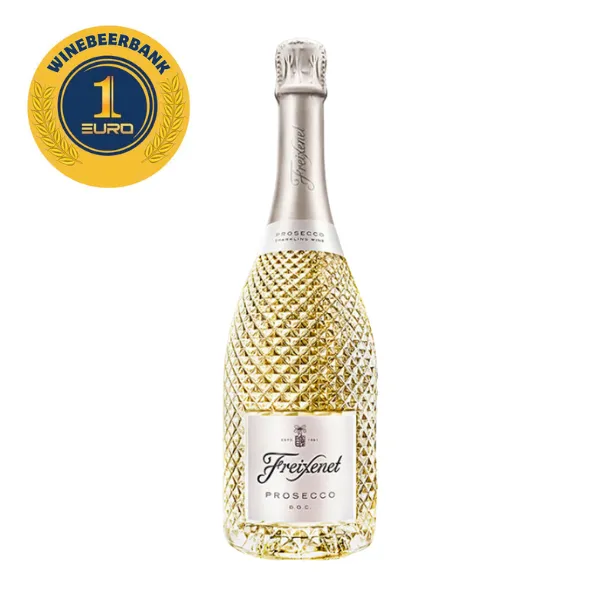
Prosecco is a sparkling wine produced in Italy's Veneto region, primarily from Glera grapes fermented in pressurised steel tanks—a process called Charmat or tank method—rather than the traditional bottle fermentation used for Champagne. The result is a wine with softer bubbles, lower alcohol (typically 11–12% ABV), and bright notes of green apple, pear, white flowers and citrus. Prosecco ranges from dry (Brut) to sweet (Dolce), with most everyday bottles falling in the extra-dry to dry range. At 1EURO's Hanoi shops, imported prosecco from trusted Veneto producers arrives in 750 ml bottles; alcohol and fruit character make it ideal for aperitivos, seafood, and light Asian dishes. Unlike Champagne, prosecco is not aged on yeast sediment, so drink it fresh within 1–2 years of purchase for the best floral lift and crisp acidity.
Prosecco is Italy's everyday sparkling wine—made in the Veneto region northeast of Venice using a simple, reliable method that keeps it bright, affordable and food-friendly. If you've had champagne or cava, prosecco sits between them: fresher and fruitier than most Champagne, drier and more structured than cheap Spanish fizz. Here's what you need to know to pick the right bottle for your meal or event in Hanoi.
How is prosecco different from Champagne?
Champagne is made in France's Champagne region using the traditional méthode champenoise: yeast and sugar added to still wine, then fermented inside the bottle for months, creating complex, toasty, fine bubbles. Prosecco uses the tank method (Charmat): all fermentation happens in a sealed steel tank, then the wine is bottled under pressure. Tank fermentation is faster, cheaper, and preserves delicate fruit flavours—perfect for prosecco's signature apple, pear and almond notes—but creates softer bubbles and less yeast complexity. The conclusion: if you want creamy, complex bubbles and biscuit depth, choose Champagne; if you want crisp fruit and refreshing acidity for a warm Hanoi evening, prosecco wins every time.
What does prosecco taste like?
Prosecco's flavour profile centres on green fruit, white flowers and subtle spice. The Glera grape gives orchard notes—green apple, pear, sometimes white peach—along with white flower aroma (acacia, hawthorn, honeysuckle) and a mineral or almond finish. Prosecco dryness varies by style: Brut (driest, <12 g/L residual sugar) suits seafood and salty appetisers; Extra-Dry (12–17 g/L) is the most common style, slightly off-dry, good for mixed appetisers and light pasta; Dry (17–32 g/L) tastes noticeably sweet, works for fruit, dessert or aperitivo sipping alone. Most prosecco has 11–12% alcohol—lower than Champagne (12–13%)—so it's lighter on the palate and safer for warm-weather sipping. The conclusion: taste a Brut if you're pairing with food; try Extra-Dry if you want balance and freshness.
Which prosecco should I order in Hanoi?
At 1EURO Hanoi, you'll find prosecco from Valdobbiadene and Asolo, the two top DOCG (protected designation) zones in Veneto. Valdobbiadene prosecco tends toward mineral, floral, and dry profiles; Asolo leans slightly richer and rounder. We stock bottles by bottle size and production year to ensure freshness—ask on WhatsApp or visit Kim Ma (Ba Dinh) or The Manor (Hoang Mai) to taste before ordering. Look for a vintage year on the label (2023, 2024, 2025); prosecco is not meant for long ageing, so avoid anything more than 3 years old. Check the alcohol percentage and residual sugar category (Brut, Extra-Dry, Dry) printed on the back label to match your meal. The conclusion: order by year and style, not brand hype; fresh prosecco from a known Veneto producer beats an old, famous label every time.
💬 Order on WhatsApp +84 984 914 461 | 📋 See the price list
How do you serve prosecco properly?
Serve prosecco in a flute or tall wine glass (not a coupe—the wide, shallow bowl lets bubbles escape fast). Chill to 6–8°C (about 45°F) in an ice bucket for 15 minutes before opening; too cold masks fruit, too warm loses carbonation and tastes flat. Pour gently, tilting the glass, to build a 1–2 cm foam head without overflow. Prosecco loses its fizz within 2–3 hours of opening, so finish the bottle in one sitting or use a champagne stopper and chill overnight (carbonation fades by morning). Avoid metal closures or rubber stoppers; they damage the seal. Never re-cork and store upright—prosecco must stay on its side with the stopper to maintain pressure. The conclusion: chill in an ice bucket, use a flute, drink fresh, finish the bottle or close it properly.
What food pairs well with prosecco?
Prosecco's acidity and green-fruit profile pair brilliantly with lighter, fresh, salty and creamy foods. Serve before or during: seafood (shrimp, calamari, oysters, crab), light pasta with white sauce or seafood, fresh cheeses (mozzarella, ricotta), cured ham, mushroom risotto, and Vietnamese spring rolls or fish cakes. The low alcohol and delicate flavour work well with Asian cuisine—don't assume prosecco is only for European appetisers. Avoid heavy red meat, dark chocolate or spicy chilli dishes; the wine will taste thin and the bubbles flatten against bold flavours. A useful guide: if the dish is light enough to pair with white wine, prosecco will work; if it needs red wine, choose something still and fuller-bodied instead. The conclusion: prosecco + seafood + fresh, creamy, or salty = perfect match.
Quick prosecco selection framework:
| Occasion | Best style | Why it works | Serve at |
|---|---|---|---|
| Seafood dinner | Brut | Dry, crisp; cuts salt & fat | 6–8°C |
| Aperitivo alone | Extra-Dry | Balanced sweetness; sipping pleasure | 6–8°C |
| Dessert or sweet course | Dry | Noticeably sweet; complements fruit | 4–6°C |
| Mixed appetisers | Extra-Dry | Most versatile; food-friendly | 6–8°C |
| Summer picnic | Brut or Extra-Dry | Light, refreshing; low alcohol | 4–6°C |
📍 Visit a 1EURO store | 📋 See the price list
What to check before you buy prosecco
- Vintage year: choose a bottle from 2023, 2024, or 2025; prosecco under 3 years old tastes fresher and fruitier.
- Style label: confirm Brut, Extra-Dry, or Dry on the back label; don't guess by brand.
- Region on label: Valdobbiadene or Asolo DOCG is higher quality than generic Prosecco DOC.
- Alcohol % and serving temperature: listed on back label; chill 15 minutes in ice before opening.
- Cork condition: examine the capsule and cork for leaks or mold; store on its side if unopened.
- Bottle clarity: hold to light; cloudiness or particles suggest poor storage or age.
- Price list comparison: use our price list to compare per-bottle cost and confirm fresh stock.
💬 Order on WhatsApp +84 984 914 461
Browse our full imported sparkling wine collection for prosecco, Champagne, cava, and other bubbles. We also stock Italian wines—still whites, reds, and regional specialties—and offer delivery inside Hanoi or pickup at Kim Ma (Ba Dinh) and The Manor Central Park (Hoang Mai). Not sure which bottle suits your menu? Message us with your dish or event, and our team will recommend by taste, price and availability.
FAQ
Is prosecco always sweet?
No. Brut prosecco is dry (<12 g/L sugar); Extra-Dry (the most common) is slightly off-dry; only Dry style tastes noticeably sweet. Check the label for the exact category.
Can I age prosecco like Champagne?
No. Prosecco is made for freshness and should be drunk within 1–3 years. Unlike Champagne, it gains no complexity with bottle age and loses fruit character over time.
What's the difference between Prosecco DOCG and DOC?
DOCG (Valdobbiadene, Asolo) indicates stricter production rules, smaller yields, and higher quality; DOC is the broader, more relaxed category. Choose DOCG for best flavour and terroir expression.
How do I store an opened bottle of prosecco?
Use a champagne stopper (not a regular cork), chill upright in the fridge, and drink within 24 hours. Carbonation fades even with a stopper, so finish the bottle same-day if possible.
Does prosecco go with spicy food?
Not well. The low alcohol and delicate fruit taste thin against chilli heat and bold spices. Pair prosecco with seafood, light pasta, cheese, and fresh appetisers instead.