What Is Primitivo Wine? A Guide for Hanoi Wine Lovers
Primitivo is a dark red grape variety grown primarily in Puglia, Italy's southeastern region, producing wines with 13–16% alcohol by volume. The varietal produces ripe, fruit-forward wines marked by blackberry, plum and licorice notes, often with subtle spice and low tannin grip. At 1EURO Hanoi shops (Kim Ma – Ba Dinh and The Manor Central Park – Hoang Mai), we stock genuine imported Primitivo bottles for immediate pickup or WhatsApp delivery within Hanoi. These wines are typically ready to drink within 2–5 years of vintage and pair naturally with grilled meats, hearty pasta and aged cheeses. Primitivo's warm climate ripeness and generous alcohol make it ideal for casual evening meals rather than formal occasions; avoid cellaring beyond 8 years unless the producer specifically recommends aging.
Primitivo is a full-bodied red wine from southern Italy, known for its dark berries, high alcohol, and jammy sweetness. Learn how to pick the right bottle for your table.
Where does Primitivo actually come from?
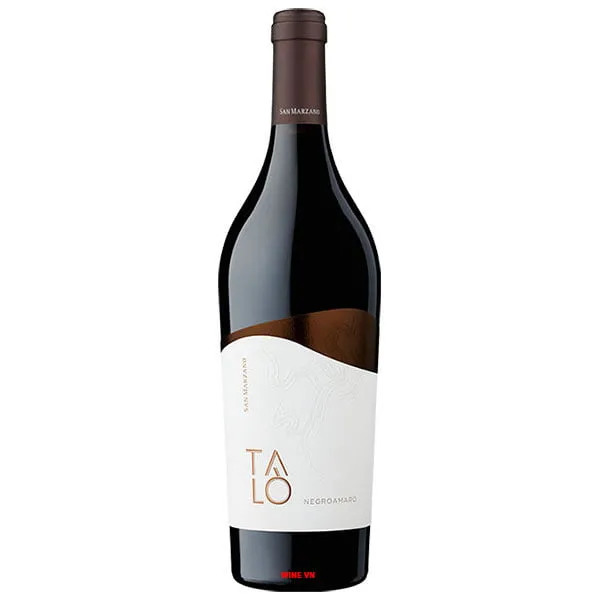
Primitivo thrives in Puglia, the heel of Italy's boot, where hot, dry summers and limestone soil create ideal ripening conditions. The varietal is genetically identical to California's Zinfandel, yet Primitivo expresses itself differently due to Puglia's hotter climate and older vineyard traditions. Hanoi drinkers often confuse Primitivo with Negroamaro or Salice Salentino—both Puglian reds—but Primitivo stands alone for its riper fruit profile and higher alcohol. Bottles aged in neutral oak (not new oak) preserve the grape's natural character rather than adding vanilla or toast. This regional specificity—not a generic southern Italian red—is what makes Primitivo worth ordering at 1EURO rather than settling for mass-market supermarket alternatives in Hanoi.
What flavors and alcohol should I expect?
Primitivo typically delivers blackberry jam, dark plum, licorice and black pepper on the nose and palate. Alcohol ranges from 13.5% to 16%, occasionally higher, due to Puglia's intense sun; this warmth creates the wine's signature ripe sweetness without added sugar. The texture is soft and velvety—low tannin means you won't experience harsh dryness on your gums. A typical Primitivo from a reputable producer shows balance between ripeness and acidity; cheap examples taste flabby or over-extracted. At our Hanoi counter, we recommend tasting a sample before a full bottle if you've never encountered Primitivo; the style surprises newcomers expecting leaner European reds like Bordeaux or Chianti.
| Aspect | Primitivo | Negroamaro | Salice Salentino |
|---|---|---|---|
| Main region | Puglia | Puglia | Puglia (blend) |
| Primary flavors | Ripe berries, licorice | Darker cherry, herbal | Cherry, earthy, plum |
| Typical ABV | 13.5–16% | 13–14.5% | 13–14% |
| Tannin level | Low to medium | Medium | Medium |
| Best with | Grilled meat, pasta | Game, aged cheese | Hearty stews |
| Aging potential | 5–8 years | 6–10 years | 5–8 years |
How should I serve and store Primitivo at home?
Serve Primitivo at 16–18°C (60–64°F)—slightly cooler than room temperature—to preserve fruit freshness and prevent alcohol from dominating the taste. A standard Bordeaux or red wine glass works well; the wider bowl allows aromas to open. Once opened, Primitivo stays drinkable for 3–4 days if recorked and stored upright in a cool cupboard; oxygen degrades the wine faster than with high-tannin reds because low tannin offers less protection. Store unopened bottles on their side at 12–14°C away from direct sunlight; Hanoi's tropical heat can prematurely age the wine. If ordering multiple bottles via WhatsApp, we pack bottles upright in cardboard to prevent cork shift during humid delivery; once home, lay them flat. Never store Primitivo in a refrigerator for more than a week—the cold dulls its fruit character and the motor vibration disturbs sediment.
What foods pair best with Primitivo in a Hanoi kitchen?
Primitivo's low tannin and jammy sweetness make it ideal for grilled pork ribs, beef kebabs and charred sausages—the wine's ripeness echoes the caramelized meat flavors. Vietnamese grilled shrimp paste (mắm tôm) paired with pork (thịt nướng) is an excellent match; the wine's fruit balances the funky umami. Hearty pasta with meat ragù (Bolognese-style) or creamy carbonara works equally well. Aged hard cheeses like Pecorino or Parmigiano benefit from Primitivo's acidity cutting through fat. Avoid serving Primitivo with spicy chili dishes or delicate white fish; the wine's weight overpowers subtle flavors and its low acidity struggles against heat. At our Hanoi shops, we're happy to suggest pairings when you order—mention your planned meal on WhatsApp and we'll recommend a bottle that complements your dinner.
💬 Order on WhatsApp +84 984 914 461
Which Primitivo producers should I trust?
Reputable Puglian producers prioritize balanced winemaking over extraction tricks. Look for labels from established cooperatives or small family estates that list "Puglia" or "Salento" on the label and show a vintage year of 2018 or later when ordering at 1EURO. Avoid "Primitivo del Salento" bottled by large supermarket suppliers; these often taste oxidized after two years. Our imported wine selection includes authentic Italian wine options vetted for genuine character and proper storage during transit to Hanoi. Price is not the sole marker of quality—a mid-range Primitivo from a known estate often outperforms expensive bottles from mass producers. Request our staff recommendation when unsure; we taste new arrivals weekly and know which vintage is currently at its peak.
How does Primitivo compare to other red wine styles for casual Hanoi evenings?
Primitivo sits between light-bodied reds (Pinot Noir, Grenache) and heavy blockbusters (Cabernet Sauvignon, Barolo). It's lower in tannin than Cabernet, so it won't stain teeth or linger aggressively; friendlier for casual weeknight drinking without food planning. Compared to Belgian beer or German beer, Primitivo offers wine's elegance without beer's carbonation or sessionability—choose Primitivo when you want one or two glasses over a meal, not multiple drinks over hours. For Tet gatherings or mixed-group dinners in Hanoi where guests have varying wine experience, Primitivo's approachable ripeness makes it safer than dry European wines that polarize palates. Our Tet gift sets often feature Primitivo alongside local snacks for this reason—it's celebratory without pretension.
What mistakes should I avoid when buying Primitivo in Hanoi?
Do not assume all southern Italian reds are Primitivo. Many shops mislabel Aglianico or Negroamaro as Primitivo to capitalize on buzz; check the back label for the actual varietal name. Do not buy from non-refrigerated shelves. Hanoi's heat damages wine; 1EURO stores maintain climate control and track bottle provenance from importer to shelf. Do not confuse sweet with quality. Ripe Primitivo tastes fruity but should not taste sugary; if a wine tastes like jam, it's either a cheap extraction or a dessert wine masquerading as dry table wine. Do not store a bottle standing upright for more than one month. Cork dries out, oxygen enters, and the wine oxidizes. Do not serve ice-cold from a freezer; this numbs flavor and makes the high alcohol seem harsh instead of warm and inviting. Visit our shops or message WhatsApp with a photo of a label if you're unsure—our team confirms authenticity before you commit to an order.
What about ordering Primitivo online from 1EURO?
When you see a Primitivo you like on our price list, send the bottle name and vintage year via WhatsApp to +84 984 914 461. Confirm it's in stock (some rare vintages sell weekly) and we'll quote delivery time—typically same-day or next-morning within Hanoi. Payment is direct via bank transfer or cash on delivery; no hidden fees. Bottles arrive in padded cardboard with ice packs during warm months. We guarantee a 30-day return if the wine tastes corked or oxidized; open it, confirm the fault, and we'll replace it free. Unlike generic online retailers, our team knows each producer and vintage personally—we're not dropshipping anonymous cases, so if a bottle is sitting too long, we'll suggest an alternative rather than letting you buy stale stock.
FAQ
Is Primitivo the same as Zinfandel?
Genetically identical, but expressed differently. Zinfandel (California) is often higher alcohol and aged in new oak; Primitivo (Italy) is fresher, lower tannin, often neutral oak. Same grape, different terroir and winemaking tradition.
Can I age Primitivo for 10+ years?
Most Primitivos peak at 5–8 years; beyond that, fruit fades. Premium bottlings from top estates may improve to 10 years. Check the producer's recommendation on the label before committing to long-term storage.
What glassware do I need?
Any red wine glass works. A standard Bordeaux glass (larger bowl) is ideal. Avoid tiny glasses—Primitivo needs space for aromas to open and room for the wine to breathe.
How is Primitivo different from everyday supermarket Italian reds?
Genuine Primitivo is grown in Puglia; supermarket "Italian red blends" often mix cheaper grapes and regions. 1EURO imports trace-verified bottles, so you know the origin and producer.
Does Primitivo go bad after opening?
Stays drinkable 3–4 days if recorked and kept cool. After one week, oxidation begins noticeably. Finish the bottle within a few days for best flavor.
What's the ideal serving temperature?
16–18°C (60–64°F). Slightly cool, not warm. Room temperature in Hanoi (26–30°C) is too hot; the wine tastes flabby and alcohol dominates. Chill it 15 minutes before serving.
Why does Primitivo taste jammy sometimes but fresh other times?
Producer style and vintage weather. Hot years (like 2003) produce jammier fruit; cooler years allow more acidity. 1EURO staff can explain each vintage's character when you order.