What Is Carmenere Wine? Chilean Origin & Tasting Guide
Carmenere is a dark red wine grape believed to originate in Bordeaux, France, but nearly extinct there by the 1860s. Chile adopted it and today produces 99% of the world's Carmenere, making it the country's national variety. The wine is medium-bodied, aged in oak or stainless steel depending on the producer, and typically ranges 13–14.5% alcohol by volume. Bottles are usually released for drinking within 2–5 years of harvest. At 1EURO's Hanoi locations, we stock imported wine from Chile alongside other South American and Old World styles, available for walk-in or WhatsApp order with Hanoi delivery.
Carmenere entered the global spotlight in the 1990s when Chilean winemakers identified the variety they had been growing for over a century. A DNA study confirmed it was the "lost" Bordeaux grape. Today, Carmenere defines Chilean wine identity as powerfully as Merlot defines Pomerol or Pinot Noir defines Burgundy.
Why did Carmenere almost disappear from France?
In the 1860s, phylloxera—a pest that devastates grapevines—destroyed most European vineyards. French growers replanted with pest-resistant American rootstock or replanted other varieties. Carmenere, never as fashionable as Cabernet Sauvignon, was largely abandoned in Bordeaux. Cuttings sent to Chile before the pest arrived thrived in warmer, drier soil and remained unknown as Carmenere for generations until modern ampelography confirmed their true identity.
What does Carmenere taste like compared to other reds?
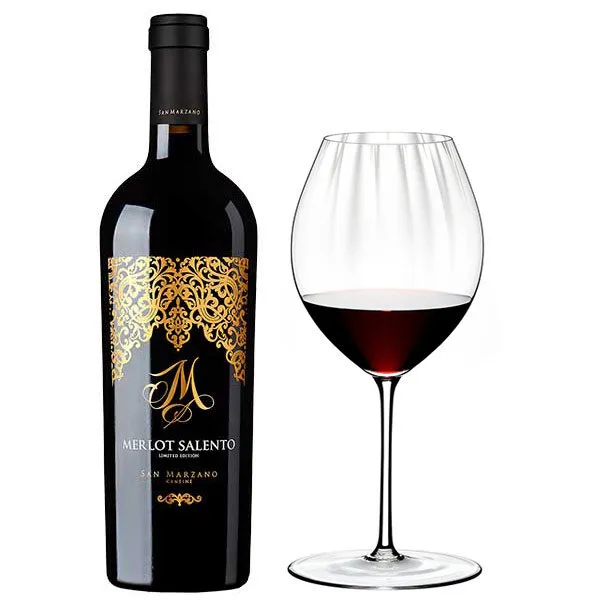
Carmenere occupies middle ground between Merlot and Syrah. Expect ripe plum, black cherry, and black pepper on the nose; the palate shows herbs, tobacco leaf, and a slight green edge—signature varietal character. Medium tannins make it approachable young but age-worthy for 7–10 years in good bottles. Merlot is softer and rounder; Syrah is spicier and fuller-bodied. Cabernet Sauvignon is more structured and herbaceous. Carmenere's "green pepper" note distinguishes it clearly. Blind tasters often confuse it with Merlot–Cab blends until they notice the peppery finish.
| Variety | Body | Key Notes | Tannin Level | Best Food Pair |
|---|---|---|---|---|
| Carmenere | Medium | Plum, black pepper, herb | Medium | Grilled beef, duck |
| Merlot | Medium | Plum, chocolate | Soft | Pasta, roasted chicken |
| Syrah | Full | Pepper, dark fruit, smoke | High | Lamb, spicy meat |
| Cabernet Sauvignon | Full | Blackcurrant, cedar | High | Rare steak, aged cheese |
How should you serve and store Carmenere at home?
Serve Carmenere at 16–18°C (60–64°F)—slightly cooler than room temperature—in a standard Bordeaux glass to concentrate the aromas without overwhelming alcohol vapors. Do not chill it like a light red; the tannins and pepper notes close down. Store bottles upright or tilted, away from direct sunlight and temperature swings. A cool, dark cupboard works; a wine fridge is ideal if you plan to age bottles. Most Carmeneres drink well within 5 years of release, so don't over-cellar unless you're buying premium estate bottlings from renowned vintages.
💬 Order on WhatsApp +84 984 914 461 | 📋 See the price list
Which Chilean regions produce the best Carmenere?
Maipo Valley, south of Santiago, is the heartland—warm days and cool nights yield ripe, balanced fruit. Cachapoal Valley produces riper, darker styles with higher alcohol. Colchagua is known for premium, age-worthy Carmeneres with structure. Maule grows leaner, more herbaceous examples. No single region is "best"; style varies by producer philosophy and vintage weather. 1EURO's Chilean wine collection includes bottles from multiple regions, so you can taste how terroir shapes the same grape variety.
What food pairs well with Carmenere in Vietnamese dining?
Carmenere's pepper and herb profile shine alongside grilled beef, duck, and richly spiced dishes. Pair it with charred steak, thit nuong (grilled pork), or ga luoc (boiled chicken with ginger); the wine's acidity cuts through fat. The slight green pepper note complements mint and cilantro in fresh spring rolls or herb-heavy salads. Avoid pairing with delicate white fish—the tannins overwhelm. Carmenere handles chili heat moderately well but isn't ideal for the hottest Vietnamese curries; in those cases, a sparkling or aromatic white works better. Order a bottle to trial at home with your favorite Vietnamese grill meal.
What should you check before buying a bottle?
Vintage. Carmenere ages for 2–4 years in barrel before release, so a 2022 bottle was likely bottled in 2024 or 2025. Drink within 5 years of harvest unless the label says "Reserva" or "Gran Reserva"—those need an extra 1–2 years.
Producer reputation. Chile has over 250 wineries making Carmenere. Established names offer consistency; smaller producers offer discovery and often better value. Ask staff for tasting notes.
Alcohol level. Most sit at 13.5–14.5% ABV. Anything above 15% is riper, often from warmer vintages; 13% is fresher, more elegant.
Color. Hold the bottle to light. Deep ruby or garnet indicates readiness now. Bright red suggests very recent release—it may taste tight or closed if chilled straight away.
Price vs. style. At 1EURO, Chilean wine ranges widely. Entry-level offers fruit-forward, easy-drinking profiles. Mid-range adds complexity and oak aging. Premium bottles age 10+ years and show mineral, earth-driven depth. None is objectively "better"—choose by occasion and budget.
Walk in to either 1EURO shop (Kim Ma, Ba Dinh or The Manor Central Park, Hoang Mai) or message WhatsApp for tasting guidance before you order.
💬 Order on WhatsApp +84 984 914 461 | 📋 See the price list
Why choose 1EURO for Carmenere in Hanoi?
1EURO stocks imported wine from Chile and other regions, curated for expats and travelers who want authentic bottles and expert advice. Staff can compare Carmenere with Italian, French, and other styles, or suggest bottles for specific meals. Delivery is available Hanoi-wide via WhatsApp. Walk-in customers can taste recommendations on the counter before buying. No guesswork, no generic descriptions—just real shelf knowledge built over years of serving the Hanoi expat community.
FAQ
Is Carmenere the same as Merlot?
No. Carmenere is a separate grape with a distinct peppery, herbaceous character. Merlot is softer and rounder. Both are dark reds from Bordeaux heritage, but DNA proved Carmenere was a lost variety rediscovered in Chile. Taste them side-by-side to spot the difference clearly.
Can I age Carmenere for 20 years?
Most Carmeneres drink best within 5–7 years. Premium, oak-aged "Reserva" or "Gran Reserva" bottlings age 10–15 years in ideal conditions. Everyday Carmenere becomes flat and tired after a decade. Check the label; if it doesn't say Reserva, drink it young and fresh.
What's the alcohol content of typical Carmenere?
Most Chilean Carmeneres range 13–14.5% ABV. Warmer vintages or riper regions push toward 15%. Cooler areas drop to 12.5–13%. Higher alcohol doesn't mean better quality—it reflects vintage and ripeness. Check the label on each bottle you order.
How do I order Carmenere from 1EURO in Hanoi?
Message WhatsApp +84 984 914 461 with your wine preferences, or walk into Kim Ma (Ba Dinh) or The Manor Central Park (Hoang Mai). Staff will suggest bottles, confirm availability, and arrange delivery or pickup. A 30-day smile guarantee covers every bottle.
Is Carmenere good for beginners?
Yes. Carmenere is medium-bodied, fruit-forward, and approachable—not as tannic as young Cabernet Sauvignon or as complex as Pinot Noir. It's an ideal stepping stone from Merlot into South American reds. Order an entry-level bottle to see if the peppery character appeals to you.
What's the difference between Chilean Carmenere and Carmenere from other countries?
Chile produces 99% of global Carmenere and has perfected the style over 150 years. A small amount grows in Argentina and California, but Chilean Carmenere is the benchmark—ripe, balanced, and distinctive. If you want authentic Carmenere, Chile is where to look.