Tempranillo Food Pairing: Spanish Wine with Vietnamese & Western Dishes
Tempranillo is a Spanish red grape with moderate tannins, acidity around 3.5–4.0 pH, and flavors of cherry, plum and leather. It pairs well with grilled meats (beef, lamb, pork), aged cheeses, tomato-based dishes, and lighter Vietnamese fare like beef stir-fries or charred seafood. Avoid pairing with very spicy curries or dishes swimming in cream, which mask the wine's structure. At 1EURO (Kim Ma, Ba Dinh; The Manor, Hoang Mai), we stock Spanish tempranillos in the 13–15% ABV range; order via WhatsApp for delivery or walk in. Serve at 16–18°C in a standard red wine glass. The wine's food-friendliness makes it ideal for Hanoi expats wanting an everyday bottle that doesn't demand premium prices but delivers complexity.
Why does tempranillo work so well with Vietnamese grilled dishes?
Tempranillo's acidity cuts through charred fat on beef skewers or grilled pork without overwhelming delicate umami. The wine's moderate tannins—softer than Cabernet Sauvignon—don't clash with fish sauce or soy-based dipping sauces. Cherry and plum notes echo caramelized edges on grilled proteins, creating a natural bridge. Vietnamese char-grilled beef (bo nuong) and tempranillo share a savory-sweet overlap that amplifies both. Serve tempranillo at 16–18°C to keep acidity fresh, especially in Hanoi's heat.
Conclusion: Tempranillo is a natural choice for Vietnamese grilled meats because its acidity and fruit soften without dominating the dish's umami core.
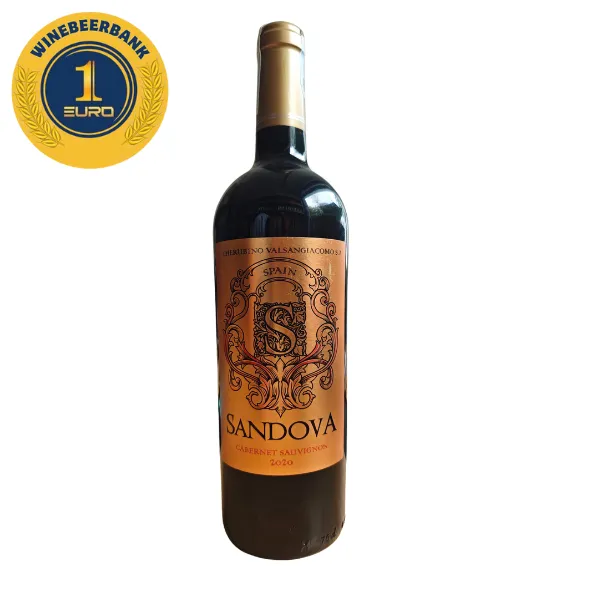
What's the difference between tempranillo-based wines from different Spanish regions?
Tempranillo shines in three main regions: Rioja (northern Spain) yields fuller, oak-aged bottles with higher tannin structure and leather/tobacco notes—best for aged meats or stews. Ribera del Duero produces riper, darker-fruit tempranillos with more concentration and spice—ideal for grilled lamb. Campo de Borja and other regions offer younger, fresher tempranillos with bright cherry—lighter and more versatile for daily drinking. Rioja bottles typically carry higher acidity (3.7–4.0 pH) than Campo de Borja (3.5–3.8 pH), making Rioja sharper with acidic Vietnamese dishes and Campo de Borja smoother with richer proteins.
Conclusion: Choose older Rioja for meat-forward Vietnamese meals, fresher Campo de Borja for weeknight entertaining.
How do you pair tempranillo with seafood without overpowering it?
Tempranillo's moderate weight (13–14% ABV, lower alcohol = less heat on the palate) suits white-fish dishes if acidity is high. Grilled prawns with garlic and lime pair beautifully because the citrus cuts tempranillo's tannins and the shellfish's sweetness echoes the wine's plum notes. Avoid tempranillo with delicate white fish (sole, flounder) or creamy seafood preparations—stick to char-grilled, seared or broth-based seafood. Vietnamese shrimp in tomato (tom chua) works because tomato's acidity matches the wine's structure. Cold-serve tempranillo at 14–16°C for seafood to emphasize freshness.
Conclusion: Choose grilled, seared or tomato-based seafood; skip delicate white fish and cream sauces.
What Vietnamese appetizers and sides complement tempranillo?
Tempranillo pairs excellently with salt-cured meats, cured tofu (dau phu kho), and aged cheese—all common Hanoi appetizers. Spring rolls with pork or shrimp work if you serve the wine's higher-acidity versions (Rioja, not oaky reserves). Charred vegetable dishes (eggplant, peppers grilled with garlic and fish sauce) unlock tempranillo's earthy side. Avoid raw summer rolls (fresh herbs and rice paper are too delicate) and sweet-sticky appetizers (caramelized pork belly with honey). Pickled vegetables and tempranillo's acidity reinforce each other, making them a secret weapon for entertaining.
Conclusion: Lead with cured meats, grilled vegetables and aged cheese; hold back on fresh, sweet or cream-based starters.
How do you avoid common tempranillo pairing mistakes?
| Dish Type | Tempranillo Works? | Why or Why Not | Better Alternative |
|---|---|---|---|
| Spicy curries (Thai, Indian) | No | Tannins + heat = bitter burn | Sparkling or off-dry white |
| Cream-based pasta | No | Dairy mutes fruit; tannins clash | Barbera or Chianti |
| Grilled beef, lamb, pork | Yes | Acid cuts fat; fruit echoes char | Rioja, Ribera del Duero |
| Charred seafood, prawns | Yes | Acidity + umami alignment | Fresh Campo de Borja |
| Tomato-based stews | Yes | Acidity + savory depth match | Any regional tempranillo |
| Sweet desserts | No | Tannins taste metallic | Tawny port, Moscato |
| Aged cheese, cured ham | Yes | Salt + umami + tannins shine | Reserve Rioja |
💬 Order on WhatsApp +84 984 914 461
The most common mistake is pairing tempranillo with very spicy food—heat amplifies tannin bitterness on the back of the palate. Second mistake: serving it too warm (above 20°C in Hanoi humidity), which softens acidity and makes the wine feel flat. Third: aging cheap tempranillos beyond 3–4 years; fresher versions preserve the fruit-forward profile that makes food pairing easy. Storage matters: keep bottles upright in a cool, dark corner of your home, never in direct sun or near air conditioning vents.
What to check before you buy tempranillo for a specific meal
Harvest year: Choose wines from 2021–2023 for maximum freshness; older bottles (2018–2020) suit aged-steak dinners. Region on the label: If the bottle says "Rioja Reserva" or "Ribera del Duero," expect higher tannin and oak; start with non-Reserva for weeknight pairing. ABV: Below 14% = lighter, more food-friendly; above 14.5% = richer, better for rare beef. Price basis: Check 1EURO's price list to compare Spanish wines by region and vintage. Acidity clues: High-acidity tempranillos (Rioja, cooler years) suit fish; lower-acidity ones (Campo de Borja, warmer years) suit meat. Visit 1EURO's imported wine collection or browse Spanish wine options in-store (Italian collections often stock Iberian neighbors too, and staff can guide you to tempranillo stock).
📋 See the price list | 📍 Visit a 1EURO store
Which food pairing framework works best for expats new to tempranillo?
Use this three-step decision tree when planning a meal:
- Identify your main protein: Beef, pork, lamb, seafood, or cheese?
- Check the cook method: Raw, boiled, grilled, fried, or creamed?
- Match to tempranillo's profile: Acid (cuts fat), tannins (pair with protein), fruit (echoes char).
Example: Grilled beef ribs → lean protein + char → needs acidity and tannin-structure → Rioja Reserva or Ribera del Duero wins. Vietnamese caramel pork → richness + sweetness → needs medium acidity + softer tannins → Campo de Borja or non-Reserva Rioja works. This framework prevents over-thinking; tempranillo's versatility means most grilled or slow-cooked meat dishes succeed.
Conclusion: Match cook method (grilled = Rioja; braised = Campo de Borja) to choose the right tempranillo bottle every time.
💬 Order on WhatsApp +84 984 914 461
Where to find and order tempranillo in Hanoi
1EURO stocks Spanish tempranillo-based wines at both locations: Kim Ma, Ba Dinh and The Manor, Central Park, Hoang Mai. Order via WhatsApp (+84 984 914 461) for same-day or next-day delivery inside Hanoi, or walk in to browse. Staff can recommend specific regions based on your meal plan and serve-by date. Pricing and availability vary; check the price list or ask by message. Most tempranillos ship well within Hanoi's climate if kept in a cool box; US delivery (5–10 days, free over our current quote) is also available for expats sending gifts home.
FAQ
Can I pair tempranillo with pho or other Vietnamese soups?
Avoid tempranillo with pho—the broth's heat and aromatic spices (star anise, cinnamon) clash with the wine's delicate fruit and tannins. Stick to lighter white wines or skip wine entirely. Tomato-based broths (tom chua, canh chua) are better because acidity aligns.
What glassware should I use for tempranillo at a Hanoi dinner party?
Use a standard red wine glass (12–15 oz, bowl shape) to concentrate fruit aromas and allow tannins to soften as the wine warms. Avoid oversized "balloon" glasses, which expose the wine to too much air and oxidation heat. A normal bordeaux or burgundy glass works perfectly.
How long can I store an opened bottle of tempranillo in Hanoi's heat?
Reseal with a wine stopper and keep in the coolest part of your home (away from windows, AC vents). Tempranillo lasts 3–5 days open; acidity begins to flatten after day 2. Finish it within 48 hours for best flavor, or use leftovers in cooking.
Is tempranillo more affordable than Cabernet Sauvignon or Pinot Noir?
Tempranillo is generally mid-range in price; entry-level bottles cost less than premium Cabernet, but excellent Rioja Reservas match Pinot Noir's cost. Check 1EURO's price list to compare by vintage and region. Younger, non-Reserva tempranillos offer best value for weeknight entertaining.
Does tempranillo age well, or should I drink it young?
Most tempranillos (non-Reserva, Campo de Borja, younger vintages) are best within 3–5 years—drink fresh to enjoy fruit. Rioja Reservas and Ribiera del Duero age 10–20 years in a cool cellar, developing leather, tobacco and complexity. For Hanoi (hot, humid), buy what you'll drink this season; long-term aging risks cork failure and oxidation.
What's the ideal serving temperature for tempranillo in a Hanoi restaurant or home?
Serve at 16–18°C—room temperature in northern Europe, but cooler in Hanoi's heat. Pour 20–30 minutes before serving and let it sit in a glass to reach the target. Too warm (above 20°C) softens structure; too cold (below 14°C) mutes fruit. --- 📋 See the price list | 📍 Visit a 1EURO store