Prosecco Wine Taste Guide: Dry to Sweet Styles in Hanoi
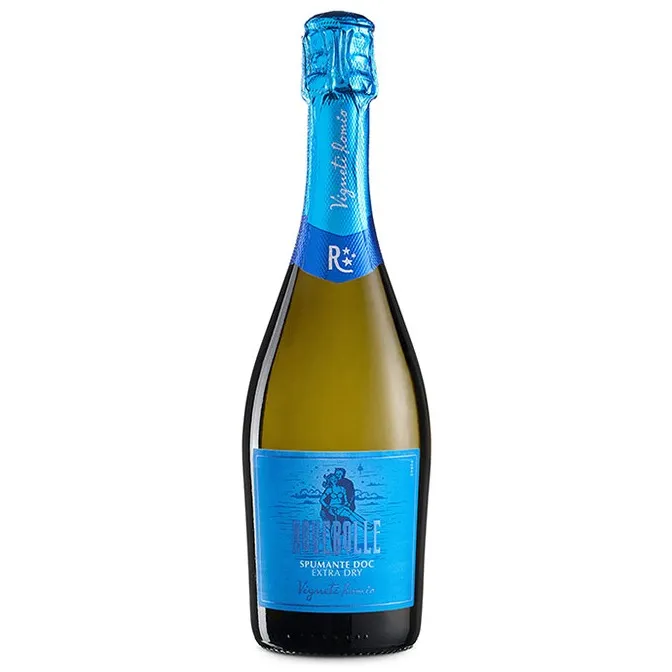
Prosecco is a sparkling wine from northeastern Italy made from Glera grapes, carbonated via tank fermentation (faster, fresher than champagne's method). Taste profiles range from Brut (under 12g sugar/liter) through Extra Dry (12–17g, the most common style: dry on the palate with subtle stone-fruit notes) to Demi-Sec (32–50g, noticeably sweet, dessert-friendly). Most prosecco tastes light, floral, and crisp—apple, pear, honeysuckle—not complex or age-worthy. 1EURO stocks imported prosecco at both Hanoi locations (Kim Ma, Ba Dinh and The Manor, Hoang Mai); order via WhatsApp +84 984 914 461 or visit in person. Avoid any bottle without a clear DOCG or DOC label (Italy's official region-mark); fake or bulk prosecco tastes flat and soapy. Serve chilled (6–8°C), drink within 1–2 years of release, and pair with light appetizers, seafood, or brunch. 💬 Order on WhatsApp +84 984 914 461
What does prosecco actually taste like?
Prosecco's flavor sits between champagne (toasty, yeasty) and soft white wine (fruity, straightforward). You get crisp apple, green pear, white peach, and subtle floral notes—honeysuckle or acacia. The texture is light and fizzy, not creamy; bubbles are finer than beer carbonation but less aggressive than cheap cola-style sparkling wine. Most drinkers find it approachable and refreshing rather than challenging or mineral. The finish is short and clean, leaving no bitter aftertaste. This makes prosecco ideal for warm Hanoi afternoons or casual meals, not serious food-pairing study. If you prefer champagne's toasted-bread complexity or Cava's earthiness, prosecco may feel thin—that's not a flaw, just a different wine style suited to different moments.
How do prosecco's dry and sweet versions differ?
Residual sugar (RS) divides prosecco into four official categories per Italian law. Brut (under 12g/L) tastes bone-dry, almost austere—best for oysters or sashimi. Extra Dry (12–17g/L, paradoxically the most common and semi-sweet on the tongue despite its name) balances crispness with subtle sweetness—works for aperitivo or light fruit dishes. Dry/Secco (17–32g/L) is noticeably sweet but not dessert wine; pairs with cream, soft cheese, or mild spice. Demi-Sec (32–50g/L) is dessert prosecco, lush and jammy, good with fruit tart or chocolate. To choose: taste first if possible, or ask the staff at 1EURO for a recommendation based on your last three favorite drinks. A side-by-side tasting of Brut vs. Extra Dry reveals the difference instantly—the Extra Dry blooms on your tongue, the Brut stays sharp. Neither is "better"; it depends on your meal and mood.
Why does prosecco cost less than champagne or cava?
Tank fermentation (Charmat method) is faster and cheaper than the traditional bottle-by-bottle secondary fermentation used for champagne or premium Cava. Prosecco's Glera grape also grows reliably in a warm climate, so bulk supply keeps prices stable. The wine is designed for immediate drinking, not cellaring, so producers skip extended aging—that saves years of storage cost. Lower production overhead and higher volume allow importers to sell prosecco at accessible margins. At 1EURO, imported sparkling wine from Italy and beyond reflects these economics: you get genuine DOCG prosecco (protected origin) for significantly less than equivalently drinkable champagne. This is not a quality shortfall; it's a style choice. Prosecco excels at its intended use (casual refreshment, aperitivo culture); champagne suits formal toasts or luxury gifting. Cava falls between: Spanish, tank or traditional method, often more complexity than prosecco but less prestige than champagne. For Hanoi expats seeking reliable, well-made sparkling wine without high spend, prosecco remains the smart default.
Which prosecco suits your food and occasion?
Use this quick decision frame to match prosecco style to what you're serving:
| Occasion | Prosecco Style | Why It Works | Food Pairing |
|---|---|---|---|
| Brunch, light snacks | Extra Dry (most common) | Fruity enough to stand alone, dry enough for savory | Smoked salmon, fruit, pastry |
| Seafood dinner (oyster, shrimp) | Brut | Sharp acidity cuts fat, dryness doesn't compete | Raw or steamed shellfish, ceviche |
| Cream cheese, mild dessert | Dry/Secco | Sweetness matches rich, creamy flavors | Tiramisu, soft cheese board |
| Dessert finale, chocolate cake | Demi-Sec | Floral sweetness and body stand up to sugar | Fruit tart, chocolate mousse |
| Aperitivo (5 pm, no food yet) | Extra Dry | Approachable, not too dry, encourages appetite | None; sip solo or with nuts |
Hanoi's tropical heat makes Extra Dry prosecco the obvious year-round choice: it refreshes, pairs loosely with Vietnamese seafood and spring rolls, and never feels out of place at casual gatherings. If you're unsure, start there; 1EURO staff can confirm a bottle's style and residual sugar level when you order.
How to spot fake or low-quality prosecco before buying
Genuine prosecco must say Prosecco DOCG or Prosecco DOC on the label—DOCG (Denominazione di Origine Controllata e Garantita) is stricter, protects the historic core region (Veneto, Italy), and is the safer bet. Any bottle without these marks is likely bulk wine relabeled, unregulated, or made outside Italy; it tastes flat, soapy, or off-dry in a sour way. Check the back label or ask for the importer's documentation—1EURO stocks only certified imports, so when you order via WhatsApp +84 984 914 461, you're guaranteed authenticity. Beware very low prices (under typical import costs); prosecco's open fermentation method makes it hard to store long, so old or mishandled bottles taste oxidized (brown, sherried) rather than fresh. The cork should be metal or plastic (not twist-cap on most premium prosecco); condensation on a cold bottle is fine, but murky sediment inside is not. Vintage year on the label is optional for prosecco (many producers blend years for consistency), so its absence is not a red flag—but if one vintage shows inconsistently between bottles, that suggests poor handling in Hanoi's heat.
What to check before you buy
- DOCG or DOC on the label? Yes = authentic; no = skip it.
- Bottle storage in the shop? Cool, dark, upright. Avoid sun-facing shelves.
- Expiration or "drink by" date? Prosecco peaks within 1–2 years; older = flat.
- Importer info visible? 1EURO publishes importer and batch details—ask for them.
- Price within typical import range? Ask staff: real prosecco is not the cheapest sparkling wine, nor the most expensive.
- Delivery timeline in Hanoi? 1EURO ships same-city orders in 24–48 hours; confirm at checkout or WhatsApp.
Which prosecco collection should you explore?
Our imported sparkling wine collection features prosecco DOCG and DOC from leading Veneto producers, curated by dryness level so you can filter by taste (Brut to Demi-Sec). If you're new to sparkling wine or want to compare styles, browse the range on-site at Kim Ma (Ba Dinh) or The Manor (Hoang Mai), or ask staff for a tasting recommendation over WhatsApp. For gift sets or larger orders, see our Tet gift sets (beer and wine)—prosecco pairs beautifully in mixed collections for expat clients. If you'd like to explore other Italian wines alongside prosecco (still whites, reds, amaretto), 1EURO stocks a full Italian range. All orders ship within Hanoi or internationally; US delivery takes 5–10 days.
💬 Order on WhatsApp +84 984 914 461
FAQ
Is prosecco wine or beer?
Prosecco is sparkling wine, not beer. It's made from Glera grapes in Italy, fermented to 11–12% alcohol, and carbonated via tank fermentation, which makes bubbles quickly and keeps the wine fresh and fruity.
Can I store prosecco long-term like champagne?
No. Prosecco is designed for immediate drinking (within 1–2 years of release). Champagne ages beautifully for 5+ years; prosecco's light fruit fades and becomes flat or oxidized if stored too long. Keep prosecco in a cool, dark place and drink it fresh.
What's the difference between prosecco and cava?
Both are sparkling wines made via tank fermentation, but prosecco is Italian (Glera grape, 11–12% ABV, lighter, fruitier) and cava is Spanish (various grapes, 11–12.5% ABV, often earthier, more complex). Cava can also use traditional bottle fermentation. Taste both to see which you prefer.
How cold should I serve prosecco?
Serve prosecco at 6–8°C (43–46°F), colder than still wine but not ice-cold. Use a wine cooler bucket with ice and water for 10 minutes before serving, or refrigerate for 2–3 hours. Too warm and the bubbles dissipate; too cold and fruit flavor disappears.
Why does my prosecco taste flat or soapy?
Flat prosecco usually means the bottle is old (past 1–2 years), improperly stored (warm, upright too long), or fake/low-quality (no DOCG/DOC mark). Soapy taste suggests poor-quality grapes or contamination. Buy from 1EURO to avoid this—all bottles are authenticated and stored correctly in Hanoi.
Can I pair prosecco with Vietnamese food?
Yes. Prosecco's crisp acidity and light fruit work well with Vietnamese summer rolls, shrimp, white fish, mild curry, and fresh herbs. Avoid heavy meat dishes or spicy chili-forward meals; stick to seafood and vegetable-based plates. Extra Dry prosecco is the safest choice.