Is Red Wine Expensive in Vietnam? Real Hanoi Prices 2026
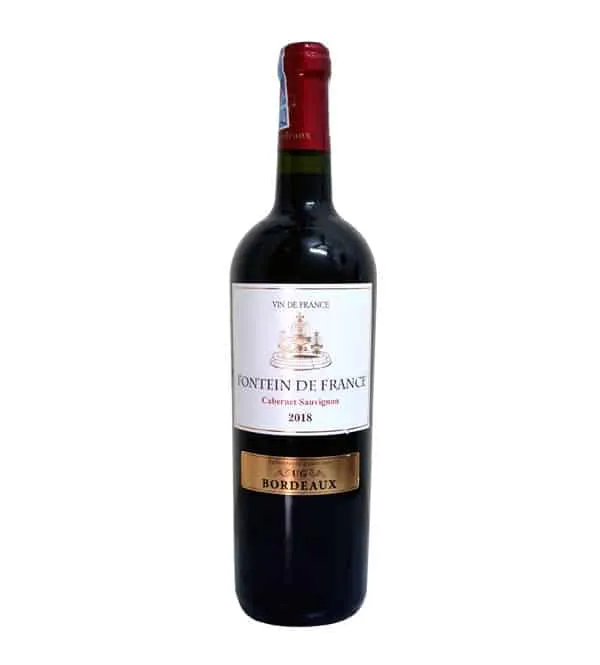
Red wine is not expensive in Vietnam—in fact, it's among the most affordable places to buy genuine imported bottles globally. At 1EURO (Kim Ma–Ba Dinh and The Manor Central Park–Hoang Mai), entry-level reds from Chile, Spain and Italy begin well under our current quote while mid-range French Bordeaux or Italian Tuscan wines sit between our current quote–our current quote Premium bottles from Burgundy or aged Spanish Riojas reach our current quote–our current quote still 25–35% cheaper than London or New York retail. Vietnam has no local wine industry, so all red wine is imported; duties are structured to keep prices competitive for expat communities and travelers. The key is sourcing from legitimate importers—avoid street markets and tourist-zone shops, which often mark up heavily or sell counterfeits.
Why is red wine cheaper in Vietnam than Europe?
Vietnam imports all red wine; it does not produce or age wine locally. Import tariffs and value-added tax (VAT) on wine are designed to be lower than European excise duties or North American state taxes—creating a price advantage for final consumers. A bottle taxed heavily in France or the UK arrives in Hanoi with cumulative costs roughly 30–40% lower. Additionally, Vietnamese retailers compete on volume rather than margin; local demand from expats and tourists is steady but not massive, so shops prioritize fair pricing over per-bottle profit. Genuine importers like 1EURO buy directly from distributors, skip middlemen, and pass savings to customers. This price advantage disappears if you buy from unlicensed vendors or tourist bars, which often charge 200–300% markup. Always check the importer's license and ask for storage history before purchasing.
What price ranges should you expect?
| Wine Type | Example Regions | Typical Price Range | Best For | Storage Notes |
|---|---|---|---|---|
| Entry-level red | Chile, Spain, Portugal | Under our current quote | Daily drinking, gatherings | Drink within 2 years |
| Mid-range red | Italy (Chianti), Bordeaux blend | our current quote–our current quote | Dinner, gift giving | 3–5 years cellaring |
| Premium red | Burgundy, Rioja Reserva, Barolo | our current quote–our current quote | Special occasions, aging | 5–15 years potential |
| Aged/Collector | Bordeaux Grand Cru, vintage Brunello | our current quote–our current quote+ | Investment, landmark dinners | 10–30+ years |
Prices shown reflect 1EURO's current stock range based on importer cost-plus-retail model. Budget our current quote–our current quote for a reliable weeknight bottle, our current quote–our current quote for weekend entertaining, our current quote+ for milestone dinners. Hanoi's tropical heat means most reds should be consumed within 3–5 years unless stored in a wine fridge (18°C, 65% humidity)—factor in a cooling unit if aging is your goal.
💬 Order on WhatsApp +84 984 914 461 | 📋 See the price list
How do you avoid overpaying for red wine in Hanoi?
Three steps prevent waste: (1) Buy only from licensed importers—verify importer stamps on the label or ask the shop for import documentation. 1EURO displays all import credentials at both locations. (2) Check the bottle condition before paying: no leaks, labels intact, cork not pushed up (a sign of heat damage in shipping). Hanoi's humidity and heat are red wine's enemies; many street-stall bottles have been warehoused poorly. (3) Compare prices across at least two sources if buying premium bottles (our current quote+). 1EURO's pricing is transparent; call WhatsApp +84 984 914 461 and ask for the exact bottle and current stock status. Avoid "exclusive" or "rare" claims without provenance—genuine aged wines come with provenance cards or auction house documentation. Tourist-area restaurants and hotels often charge 100–200% markup over retail; buy your bottle at the shop, pay corkage (our current quote–our current quote) at the restaurant instead.
Which red wine regions offer the best value in Vietnam?
Chilean wine dominates the value category; Maipo and Colchagua valley reds deliver ripe fruit and structure at our current quote–our current quote across 1EURO's stock. Spanish Tempranillo (Rioja, Campo de Borja) and Portuguese blends compete at similar prices with darker tannins and earthier profiles. Italian wine—Chianti, Montepulciano d'Abruzzo, young Barbera—offers mid-range appeal (our current quote–our current quote) and pairs brilliantly with Vietnamese food (pho, grilled meat, cassava). French Bordeaux blends and Burgundy pinot noir are pricier (our current quote–our current quote) but worth the investment for collectors or milestone dinners; these age 8–15 years and develop complexity not found in younger wines. 1EURO stocks all four regions; ask staff to match your budget and intended use (casual vs. aging). Budget our current quote–our current quote per bottle for everyday drinking in Hanoi; premiums become justified only if you plan to cellar or celebrate.
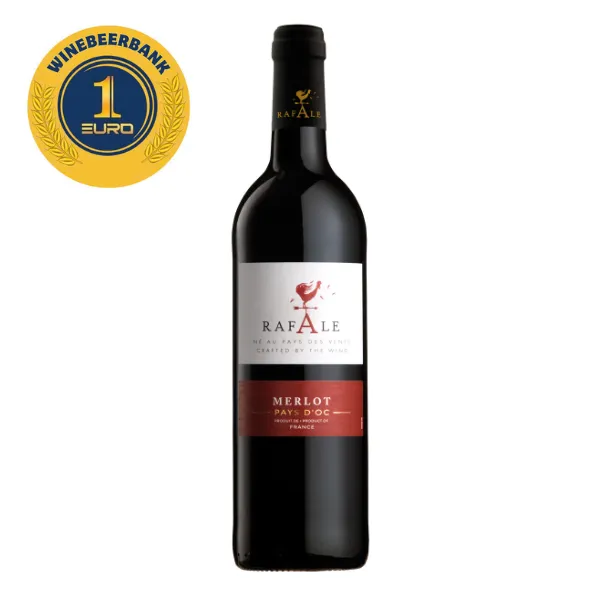
What food pairs well with red wine in Hanoi?
Red wine's tannins and acidity complement Vietnamese dishes better than many expats assume. Lighter reds (Pinot Noir, young Spanish reds) suit pho with beef, grilled shrimp, and lightly spiced dishes; the wine's acidity cuts fat and cools the palate. Medium-bodied reds (Chianti, Chilean Carmenere) work with darker grilled meats, duck, and soy-braised stews; tannins grip onto umami and savory depth. Full-bodied reds (Bordeaux, Barolo) match charred ribs, steak, or rich pork dishes at upscale Hanoi restaurants. Avoid very tannic wines with highly spiced or vinegar-forward dishes (some pickled vegetables, hot and sour soup), as the clash overwhelms both food and wine. At home, explore imported wine in Hanoi by food pairing; staff at 1EURO can recommend bottles based on what you're cooking. Most reds should be served at 16–18°C (slightly cool, not room temperature in tropical Hanoi); pop the bottle in a cooler 20 minutes before guests arrive.
What to check before you buy red wine in Hanoi
Importer and storage history: Confirm the bottle was imported by a licensed distributor, not a gray-market reseller. Ask when it arrived in-country; anything over 18 months in tropical Hanoi may have heat stress (leaked liquid, pushed corks). Label and fill level: The liquid should reach within 1 cm of the base of the cork; anything lower suggests evaporation or poor storage. Labels should be clean and legible—faded or stained labels often indicate poor warehouse conditions. Bottle temperature and provenance: Reds should be stored at 13–15°C; 1EURO keeps stock in climate-controlled rooms. If buying from a street stall, ask how long the bottle has been out in heat. Vintage and intended use: Young wines (within 5 years of the vintage) are meant to drink now; older vintages (10+ years) require proper cellaring. Don't pay premium prices for age if the bottle shows signs of oxidation (brown tint at the edge, loose cork). Return policy: 1EURO offers a 30-day smile guarantee; if a bottle tastes off or arrived damaged, contact the shop for a swap or refund. Get a receipt with the purchase date.
💬 Order on WhatsApp +84 984 914 461
How to order red wine for delivery in Hanoi
Contact 1EURO via WhatsApp +84 984 914 461 with your budget, food pairing, or wine style preference (e.g., "fruity and medium-bodied under our current quote"). Staff reply within 2 hours with current stock and suggestions. Specify delivery address in Hanoi or arrange pickup at Kim Ma (Ba Dinh) or The Manor Central Park (Hoang Mai). Payment is by bank transfer or cash on delivery; orders over our current quote include free delivery inside Hanoi city. Delivery takes 1–2 days; no bottles ship outside Vietnam, but expats and travelers can browse the full imported wine range and order for immediate collection.
Alongside reds, 1EURO stocks sparkling wine for celebrations, spirits to pair with meals, and Tet gift sets for holiday hosting. First-time buyers often ask: should I chill a red before serving? Yes—tropical Hanoi means reds arrive warm; place in a cooler 20–30 minutes before opening. What's the shelf life of an open bottle? Most reds last 3–5 days in a cool place (wine fridge, or sealed with a stopper); finish within 5 days to avoid oxidation and vinegar notes.
FAQ
Is imported red wine actually cheaper in Vietnam than the US or UK?
Yes. A mid-range French Bordeaux costing £18–£20 in London typically retails for a listed price at 1EURO—roughly 25–35% less due to lower import duties and VAT. Premium bottles save less percentage-wise; the advantage shrinks above a listed price
Which red wine regions offer the best value for beginners in Hanoi?
Chile and Spain—Maipo Valley and Tempranillo-based wines from Rioja or Campo de Borja deliver ripe, fruit-forward profiles at a listed price Buy a few bottles under a listed price to learn your taste before moving to pricier Bordeaux or Burgundy.
How long does red wine last in Hanoi's heat and humidity?
Most reds stay fresh 3–5 years if stored at 13–15°C; uncontrolled tropical heat (28°C+) degrades wine in 12–18 months. Invest in a small wine fridge (a listed price) if you plan to age or keep bottles more than 6 months.
Can I return a bottle if it tastes corked or oxidized?
Yes. 1EURO's 30-day smile guarantee covers bottles that arrive damaged or taste faulty. Contact the shop with your receipt within 30 days; staff will swap or refund.
What's a good red wine to pair with Vietnamese pho or grilled meats?
Light Pinot Noir or young Spanish reds work with pho; medium-bodied Chianti or Chilean Carmenere suit grilled meats and duck. Ask 1EURO staff to match a bottle to your dish; WhatsApp +84 984 914 461.
Is it safe to order wine delivery during Hanoi's rainy season?
Yes. 1EURO packages bottles in insulated boxes to protect against heat and moisture during delivery. Rainy-season delays are rare; deliveries arrive within 1–2 days inside Hanoi city.