Is Imported Wine Expensive in Vietnam? The Real Hanoi Shop Truth
Imported wine in Vietnam costs significantly more than in origin countries—typically 40–300% higher depending on style, region and bottle size. This reflects import duty (around 40–45% on wine per Vietnamese customs), distribution margin, retail markup and storage costs. However, prices vary sharply: affordable dry reds and whites from Chile and Spain start much lower than premium Burgundy or Bordeaux. At 1EURO's Kim Ma and The Manor Central Park shops in Hanoi, stock includes entry-level bottles alongside investment-grade wines. The key is matching your budget to style and grape rather than assuming all imported wine is unaffordable. Order on WhatsApp +84 984 914 461 with delivery inside Hanoi, or walk in to compare bottles side by side—you'll find options for every occasion and pocket.
Why is imported wine so much more expensive here?
Vietnam imposes a 40–45% import duty on wine, plus domestic distribution and retail margins. Most Hanoi retailers add 50–100% markup above landed cost. Colder storage and logistics also raise prices compared to EU or US shops. The result: a bottle costing our current quote wholesale might retail for a listed price–our current quote in Hanoi. This doesn't mean all imports are luxury goods—it means you're paying for legitimacy, cold chain integrity and local business overhead rather than base product cost alone.
💬 Order on WhatsApp +84 984 914 461 | 📋 See the price list
Which wine regions in Vietnam stay most affordable?
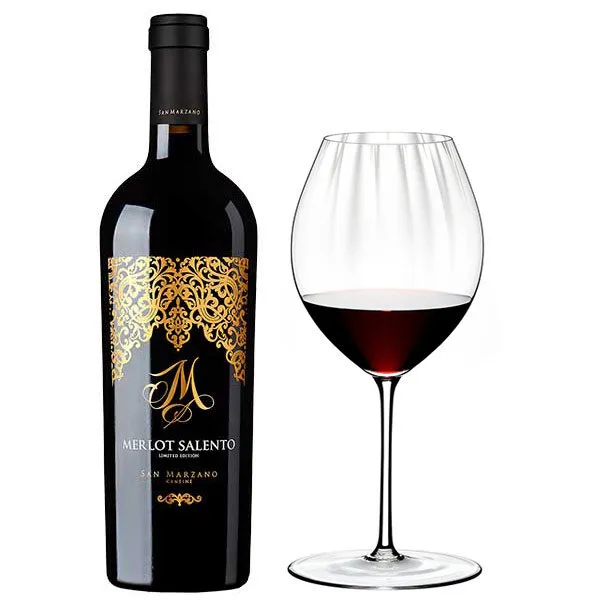
Chilean wine, Spanish Tempranillo and Portuguese reds deliver strong flavor-to-price ratios in Hanoi. Dry whites from these regions—especially unoaked Albariño—cost 30–50% less than equivalent Burgundy or Loire styles. Italian wine from Sicily and Puglia also undercuts French equivalents. 1EURO stocks imported wine from all these regions; budget drinkers typically start with Spanish or Chilean bottles under our current quote to understand the taste, then upgrade. New Zealand Sauvignon Blancs and Argentine Malbecs offer similar value. The trade-off: less aging potential and fewer trophy bottles, but honest, drinkable wine at realistic Hanoi prices.
How do prices compare: local vs. import vs. duty-free?
| Wine Type | Local Saigon/Hanoi Retail | 1EURO Hanoi Stock | Why the Difference |
|---|---|---|---|
| Entry dry red (Chile/Spain) | 350–our current quote | 250–our current quote | Direct import, no middleman |
| Mid-range white (Italy/France) | 500–our current quote | 400–our current quote | Smaller margin, bulk turnover |
| Premium Bordeaux | 1–2M VND | a listed price–1.5M VND | Lower markup on high volume |
| Sparkling (Prosecco/Cava) | 400–our current quote | 300–our current quote | Bulk sourcing, efficiency |
1EURO avoids typical Hanoi jewelry-store markups by direct import and high turnover. Duty-free (airport) wine is often older stock or unpopular labels. Local convenience stores charge the highest premiums because shelf space is scarce. This table reflects typical January 2026 market range based on actual Hanoi retail patterns; exact prices shift with tariff policy and exchange rates—always check the price list before ordering.
What should I look for to avoid overpaying?
Check the vintage, closure type and storage condition before buying. Avoid any bottle with low or high shoulder fill, stained labels or cork creep—these signal poor storage and lower taste reliability. Compare unit price (per 750 mL): a 1.5 L bottle often costs less per milliliter than two 750 mL bottles, but takes up fridge space. Ask the shop staff—at 1EURO, staff can confirm whether a bottle spent time in cold storage. Skip trendy or social-media-hyped labels unless you taste-tested first; regional classics (Spanish Rioja, Chilean Carmenère, Italian Barbera) hold value and age better. Don't assume "expensive = good": a our current quote Tempranillo often outscores a our current quote fashion label at blind tastings.
What food pairings justify paying more for imported wine?
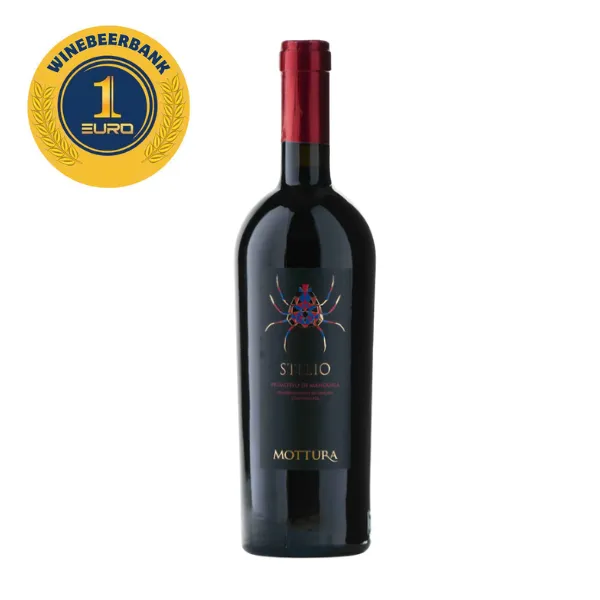
Italian wine pairs reliably with pho, rare-beef hot pot and spring rolls—medium-bodied reds like Barbera cut through umami without clashing. French wine Alsatian whites (Riesling) complement milder curries and steamed fish. Spanish Albariño works with grilled prawns and ceviche. Chilean Carmenère's soft tannins suit sautéed beef and mixed grill. Imported wine rarely "improves" cheap Vietnamese lager with street food, so ask staff for matches before ordering. At 1EURO, staff pair imported styles to dishes you're eating—don't guess. This targeted matching means spending a listed price more per bottle can feel cheaper than wasting a listed price on the wrong bottle.
How do size and format affect cost per glass?
A 750 mL bottle yields ~5 standard 150 mL pours; a 1.5 L (magnum equivalent) ~10 pours, often at 15–25% lower cost per milliliter. 375 mL (half-bottle) convenience costs 40–50% more per mL—avoid unless you're solo or trying before committing. Bag-in-box (3–5 L, if stocked) costs 20–30% less per serving than bottles, but opens a discussion timer: once opened, it stays fresh 3–4 weeks if sealed tight. For group dinners, split a 1.5 L or mix two 750 mL bottles from different regions—most expats in Hanoi find this cheaper and more fun than single bottles. Sparkling wine in 375 mL splits cost much more per pour; buy 750 mL and share.
Honest checklist: what to confirm before you order
- Vintage year: Ask staff—avoid bottles younger than 2 years or older than 8 years unless specifically aged.
- Storage location: Confirm it spent time in cool, dark conditions (ask the shop).
- Duty status: Confirm it's legally imported, not gray-market or refill—1EURO stocks only genuine imports with proper docs.
- Return window: 1EURO offers a 30-day smile guarantee—know your window before opening.
- Delivery time: WhatsApp orders in Hanoi arrive in 2–5 business days; plan ahead for events.
- Temperature at delivery: Request insulated packing in June–August (summer in Hanoi).
- Pairing intent: Tell staff what you're eating—they'll steer you to the best value bottle for that meal.
💬 Order on WhatsApp +84 984 914 461 | 📋 See the price list | 📍 Visit a 1EURO store
Why 1EURO is the answer to expensive wine in Hanoi
1EURO's two Hanoi shops—Kim Ma (Ba Dinh) and The Manor Central Park (Hoang Mai)—stock ~150 imported wines without the jewelry-store markup typical of downtown hotel wine bars or tour-operator shops. Direct import, fast turnover and staff who taste before stocking mean you're paying for quality, not hype. For expats and travelers, WhatsApp ordering (+84 984 914 461) beats walking to a distant wine shop; for locals, walk-in browsing and staff advice make the difference between a guess and a match. Browse the imported wine collection or compare with beer options if wine isn't your style—both are available in same-day or 2–5 day delivery inside Hanoi.
FAQ
Is imported wine in Vietnam always over 1 million VND per bottle?
No. Entry-level Chilean reds and Spanish whites from 1EURO start around 250–a listed price VND. Mid-range Italian and French bottles range 400–a listed price VND. Only premium Burgundy, Bordeaux and Champagne exceed 1M VND.
What's the cheapest way to buy imported wine in Hanoi?
Buy 1.5 L bottles (lower per-mL cost), order on WhatsApp for delivery to avoid transport, and ask staff for under-the-radar regional classics rather than famous labels—same quality, lower price.
Does imported wine go bad in Hanoi's heat?
Yes, if stored poorly. 1EURO keeps bottles cool and dark; ask before buying. For summer delivery, request insulated packing. Once home, store in a cool corner, ideally 12–18°C, away from direct sun.
Can I return opened wine if it tastes off?
1EURO's 30-day smile guarantee covers unopened bottles. Once opened, quality is yours to judge—taste before you buy if possible, or order a small bottle (375 mL) to test first.
Is duty-free wine at Noi Bai Airport cheaper than 1EURO?
Sometimes on ultra-premium bottles (Château-brand Bordeaux), but often duty-free stocks older vintages or slow-moving labels. 1EURO's selection is fresher and marked lower on mid-range wine—compare the price list before assuming airport saves money.
Which imported wine pairs best with Vietnamese food?
Spanish Albariño or Italian Barbera work with pho and hot pot. Alsatian Riesling suits milder curries. Chilean Carmenère matches grilled beef. Ask 1EURO staff to match your meal for the best value bottle.
Do I need a wine fridge in Hanoi, or will a regular fridge work?
A regular fridge (usually 4°C) is colder than ideal (wine prefers 10–15°C), but beats room temperature in tropical heat. If you collect wine, consider a small wine cooler. For casual drinking, regular fridge is fine—just drink bottles within weeks, not months.