Is Chilean Wine Expensive in Vietnam? A Hanoi Importer's Guide
Chilean wine costs less in Vietnam than French or Italian equivalents at the same quality level—a key reason expats and travelers choose them. At 1EURO (Kim Ma, Ba Dinh and The Manor, Hoang Mai), entry-level Chilean reds and whites sit well below premium European prices, though imported duty and freight add 20–30% to ex-vineyard cost. Premium Chilean reserves and limited-vintage selections do command higher prices, matching mid-tier French bottles. The most common mistake is assuming all Chilean wine is bargain-priced; quality varies sharply by producer, region (Maipo, Carmenère from Colchagua, Sauvignon Blancs from Casablanca) and age. Before ordering via WhatsApp +84 984 914 461, clarify whether you want everyday drinking or a special occasion bottle—that gap determines real value in Hanoi's market.
Why Chilean wine is cheaper than European imports in Vietnam
Chile's proximity to major Asian shipping routes cuts transport costs by 40–50% versus French and Italian wine. Longer voyage times to Vietnam (20–25 days from South America versus 35–40 from Europe) are offset by direct container rates. Duty is applied equally to all wine imports into Vietnam, so the saving stays in your bottle. Imported wine in Hanoi sells through multiple channels; 1EURO's direct-import model eliminates middleman markups that inflate prices at tourist-zone retailers. Chilean producers also compete on volume, pricing entry-level and mid-tier wines aggressively to gain shelf space globally—meaning Hanoi benefit from that strategy.
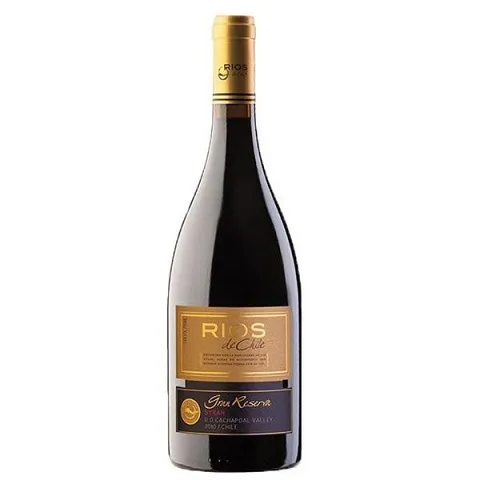
How much does Chilean wine actually cost at 1EURO?
1EURO stocks roughly 40–50 Chilean bottles across red, white and rosé styles. Our price list reflects 📋 current stock and rates, updated monthly. Entry-level reds (Carmenère, Cabernet Sauvignon) typically cost 30–50% less than comparable French Bordeaux-style blends. Mid-range reserves (aged 12–18 months in oak, from established Maipo and Colchagua estates) occupy the sweet spot for quality-to-price ratio. Premium and collector-grade bottles (rare vintages, small-batch producers, 15+ years cellaring) approach or exceed mid-tier French pricing—but remain 15–20% below similar Italian or Spanish reserves. Shipping within Hanoi is free; international orders to the US incur 5–10 business days plus postage.
What regions and styles offer the best value?
| Region | Style | Who Orders It | Value Case | When to Pick It |
|---|---|---|---|---|
| Maipo Valley | Cabernet Sauvignon, Merlot blends | Daily drinkers, business dinners | Ripe, structured; entry to mid-premium pricing | Red meat, grilled Vietnamese pork ribs |
| Colchagua Valley | Carmenère (signature Chilean grape) | Wine explorers, gift-givers | Earthy, plum-forward; unique to Chile; 20–30% cheaper than equivalent Rhône wines | Duck, game, spiced stews |
| Casablanca Valley | Sauvignon Blanc, Chardonnay | Seafood lovers, warm-weather entertaining | Bright, mineral; cooler-climate finesse | Fresh fish, shrimp dishes, lighter meals |
| Rapel Valley | Budget-friendly blends (red & white) | First-time Chilean buyers | Clean, approachable; honest quality below our current quote per bottle | Casual weeknight, pairing with Vietnamese comfort food |
| Limarí Valley | Chardonnay, Syrah | Collectors, special occasions | Complex, age-worthy; rare in Hanoi; highest reserve pricing | Formal dinners, long-term cellaring |
💬 Order on WhatsApp +84 984 914 461 | 📋 See the price list
How do Chilean wines compare to other imported options in Hanoi?
Imported wine in Hanoi spans Europe, Americas and increasingly Asia-Pacific. French wine (French wine collection) sets the reference price: a mid-range Bordeaux or Burgundy costs 40–60% more than a comparable Chilean Carmenère or Cabernet. Italian wine (Italian wine collection) sits 20–35% above Chilean mid-range but below top-tier French reserves. Spanish wine (Rioja, Tempranillo) matches Chilean mid-range pricing but carries heavier production costs; Spanish premium selections exceed Chilean equivalents.
For expats on a learning budget, Chilean wine offers the steepest quality-to-cost slope: you taste terroir and aging technique without European premium pricing. For collectors, Chilean reserves fill the gap between entry-level European wines and high-end Burgundy—offering genuine complexity at a 30% discount. 1EURO's staff can match your budget to a specific region and producer; ordering via WhatsApp clarifies whether you're building a cellar or seeking one standout bottle.
What mistakes do first-time Chilean wine buyers make in Vietnam?
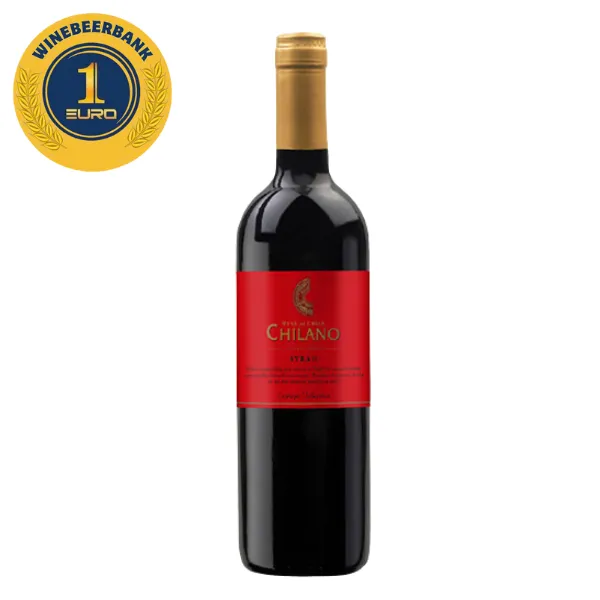
Confusing cheap with low-quality. Budget Chilean bottles (under our current quote, per our price list) are clean and drinkable—not nasty. They lack the depth of mid-range reserves, but many expats enjoy them as everyday reds with pho or banh mi. Don't assume a low price means it's a throwaway; Chilean producers stake reputation on consistency across price tiers.
Ignoring storage and serving conditions. Hanoi's heat and humidity (often 80–95% humidity, 28–32°C) accelerate wine aging and can oxidize whites. Store Chilean bottles upright in a cool, dark corner—not on a sunny shelf. Serve reds slightly warmer than fridge temperature (16–18°C) to unlock aromatics; whites (8–12°C) keep their freshness longer in tropical climates.
Picking by label design instead of producer reputation. The flashiest label doesn't guarantee quality. 1EURO's staff know which Chilean estates deliver value; ordering via WhatsApp lets you describe your meal or occasion, and we suggest the right bottle, not the prettiest one.
Buying without tasting notes or food context. A full-bodied Carmenère is wasted with delicate fish; a crisp Sauvignon Blanc underwhelms with grilled steak. Before you order, tell us: what are you eating? Who's drinking? How much time will the bottle sit open? Your answers guide us to the right match.
Overlooking rosé and white as "lesser" wines. Chilean Sauvignon Blancs and rosés rival French and Spanish versions at half the price. In Hanoi's heat, they're often more refreshing than heavy reds and pair beautifully with Vietnamese seafood, fresh spring rolls and summer entertaining.
What to check before you buy Chilean wine from 1EURO
- Vintage and age. Recent vintages (last 3–5 years) suit everyday drinking. Older reserves (2015, 2012) have evolved; ask whether the bottle is still in its drinking window or improving further.
- Producer track record. We stock only established Chilean estates with consistent quality across vintages. Unfamiliar labels aren't necessarily bad, but ask us first.
- Condition of the bottle. Cork should be flush with the rim, not sunken (sign of slow leakage). Labels shouldn't show mold or staining from storage in humid warehouses. We inspect every bottle before shipping.
- Your storage at home. No wine fridge? Choose wines to drink within 6–12 months, not long-term cellaring bottles. We can advise accordingly.
- Serving glass and temperature. Bring a wine glass (not a coffee mug) and chill reds to 16–18°C, whites to 10–12°C. This lifts flavor dramatically compared to room-temperature drinking in Hanoi's heat.
- Return policy. 1EURO offers a 30-day smile guarantee on all purchases; if a bottle tastes corky, oxidized or otherwise off, we replace it. Order via WhatsApp and photograph the bottle if there's an issue.
📍 Visit a 1EURO store — Kim Ma (Ba Dinh) or The Manor (Hoang Mai) — to taste before you buy. Staff pour samples and explain why each wine offers value.
How to order Chilean wine in Hanoi
- Message 1EURO on WhatsApp +84 984 914 461 with your budget, food or occasion. Our team replies within 2 hours (weekdays 9am–9pm Hanoi time).
- Describe your preference: "I like dry red, medium body, food-friendly" or "crisp white, seafood pairing, under our current quote" or "special occasion reserve, 15+ years drinking."
- Get a curated suggestion with vintage, producer, tasting notes and pricing. We don't upsell; we match your needs.
- Confirm and pay via bank transfer (Vietnam-based accounts) or international card. Free delivery inside Hanoi; 5–10 days to US addresses.
- Receive your bottle in custom packaging (gift-ready if needed). Check condition upon arrival; contact us immediately if there's an issue.
For Tet gift sets, we bundle Chilean wines with spirits or craft beers—a Hanoi-ready present. Walk into Kim Ma (Ba Dinh) or The Manor (Hoang Mai) to see them in person.
💬 Order on WhatsApp +84 984 914 461
FAQ
Is Chilean wine truly affordable compared to buying in supermarkets in Hanoi?
Yes—1EURO's direct-import model cuts middleman markup by 15–25% versus tourist shops and supermarket chains. We also stock a wider range of regions and producers, letting you find honest value across all price points without the tourist premium.
Which Chilean wine pairs best with Vietnamese food?
Carmenère works with grilled meats and spiced pork; Sauvignon Blanc suits fresh seafood and spring rolls; Merlot complements pho. Message us your typical meal and we'll suggest the region and producer that fits your table.
Can I store Chilean wine long-term in Hanoi's heat and humidity?
Mid-range bottles are best consumed within 1–2 years; premium reserves can age 5–10 years if kept in a cool, dark spot or wine fridge. We advise on storage when you order—don't let heat waste your investment.
What's the difference between Chilean Carmenère and Cabernet Sauvignon in price and taste?
Carmenère is Chile's signature grape—earthier, plumier, slightly cheaper than equivalent Cabernet. Both offer great value; Carmenère tastes uniquely Chilean, while Cabernet suits traditionalists. Try one of each via our recommendations.
Is a cheaper Chilean bottle still good quality, or should I always buy mid-range?
Budget bottles are clean and approachable—perfect for everyday meals. Mid-range offers complexity and aging potential. Decide based on your occasion, not price alone. We'll steer you to the sweet spot for your needs.
How long does international shipping to the US take, and is it worth ordering from Vietnam?
5–10 business days, free over 35 USD. Yes—your savings on mid-range Chilean bottles often exceed shipping costs, and you get access to Hanoi-exclusive producers not in US retail. Ask us about specific bottles you can't find locally.