How Much Is Imported Beer in Vietnam? 2026 Hanoi Prices
Imported beer in Vietnam typically costs between 50,000 and our current quote per bottle at specialist retailers like 1EURO, depending on origin (Czech, German, Belgian, Dutch, Spanish), volume (330 ml to 750 ml), and style (lager, IPA, stout, abbey). Standard European lagers (330 ml) start around 50,000–our current quote; craft and specialty styles (abbey ales, German wheat beers, barrel-aged variants) range 100,000–our current quote. Rare or imported gift sets cost more. Hanoi shops stock 260+ genuine imported lines; order on WhatsApp +84 984 914 461 with delivery inside the city, or visit Kim Ma (Ba Dinh) or The Manor Central Park (Hoang Mai). Avoid counterfeit or expired stock by buying from licensed importers with visible cold storage and clear labeling.
Imported beer in Vietnam costs between 50,000 and our current quote per bottle at specialist retailers like 1EURO, depending on origin (Czech, German, Belgian, Dutch, Spanish), volume (330 ml to 750 ml), and style (lager, IPA, stout, abbey). Standard European lagers (330 ml) start around 50,000–our current quote; craft and specialty styles (abbey ales, German wheat beers, barrel-aged variants) range 100,000–our current quote. Rare or imported gift sets cost more. Hanoi shops stock 260+ genuine imported lines; order on WhatsApp +84 984 914 461 with delivery inside the city, or visit Kim Ma (Ba Dinh) or The Manor Central Park (Hoang Mai). Avoid counterfeit or expired stock by buying from licensed importers with visible cold storage and clear labeling.
Why does imported beer cost more in Vietnam than Europe?
Imported beer in Vietnam carries higher markups due to freight, customs duty, storage, and distributor margins. A beer costing our current quote–2 in Europe arrives at 50,000+ VND because of 15–30-day sea shipping, VAT, refrigerated warehouse rent, and retailer overhead. Smaller batches and lower demand than in Western markets also raise per-unit cost. 1EURO's 260+ lines reflect direct importing and high turnover, reducing spoilage and markup pressure compared to casual convenience stores or duty-free shops with slow stock rotation.
How do German, Belgian, and Czech beers compare by price?
| Style | Origin | Typical ABV | Price Range (VND) | Best For |
|---|---|---|---|---|
| Pilsner | Czech | 4.8–5.2% | a listed price–a listed price | Daily drinking, hot weather |
| Helles Lager | German | 4.7–5.5% | a listed price–a listed price | Food pairing, crisp finish |
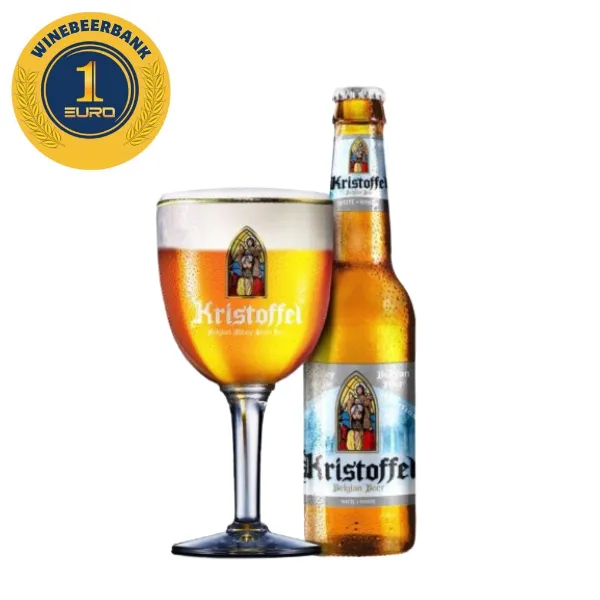
| Weissbier | German | 5.0–5.8% | a listed price–a listed price | Clove/banana notes, dessert |
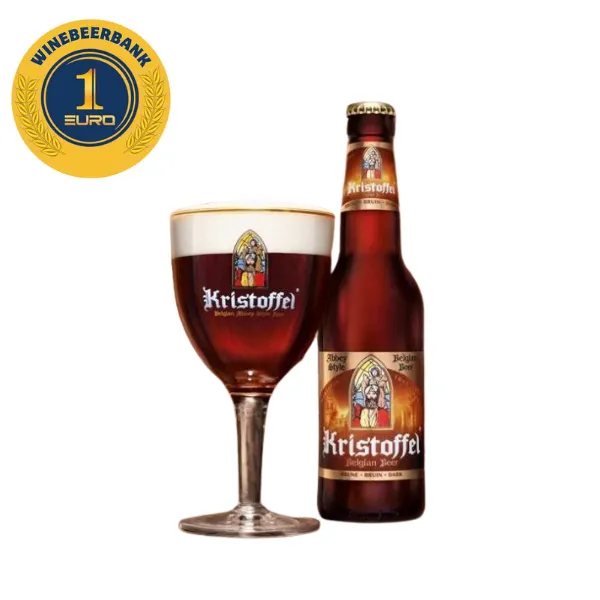
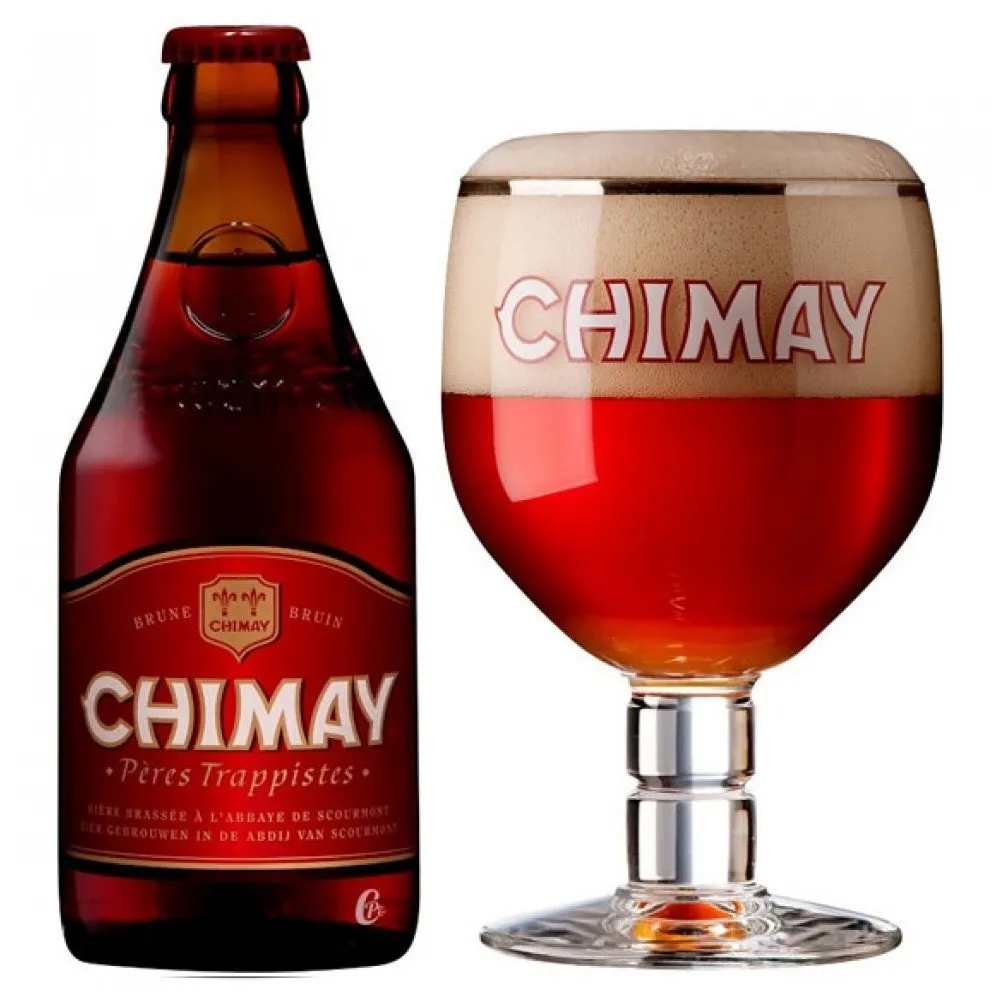
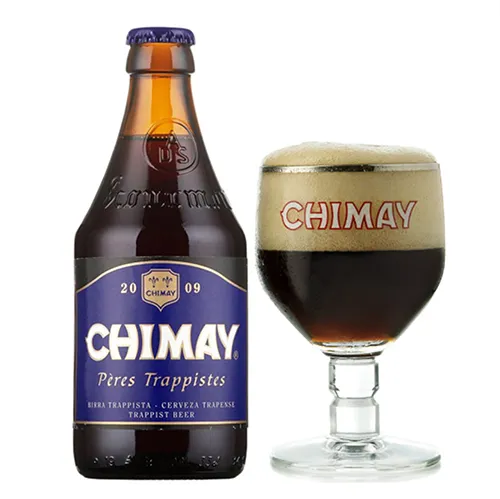
| Abbey/Trappist | Belgian | 6.0–11.0% | a listed price–a listed price | Richer meals, cellaring |
| IPA | Mixed | 5.5–7.5% | a listed price–a listed price | Bold, hoppy, cheese |
| Stout | Mixed | 4.0–7.0% | a listed price–a listed price | Chocolate, coffee, dark food |
Czech pilsners offer the best value because high domestic production lowers freight and duty. German beers command a slight premium for heritage and consistency. Belgian abbey styles cost most due to small-batch brewing, higher ABV, and collector demand. Check imported beer in Hanoi for current stock and exact pricing.
📋 See the price list | 💬 Order on WhatsApp +84 984 914 461
What size bottle should I buy to save money?
Most imported beers arrive in 330 ml or 500 ml bottles; a few premium lines use 750 ml. Per-millilitre cost drops slightly in 500 ml (typically 15–20% cheaper per 100 ml than 330 ml), but storage and sharing matter. Buy 330 ml for solo tasting or trials. Choose 500 ml for parties or food pairing events. Avoid buying in bulk unless you have cool, dark storage at 4–8°C; light and warmth degrade beer within weeks. 1EURO's bottles ship in insulated packaging; ask for priority cooling in summer (May–September).
Which beers pair best with Vietnamese food?
Pilsners and Czech lagers are ideal with pho, banh mi, and summer rolls: crisp carbonation cuts fat, low ABV (4.8–5.2%) suits hot climates. Belgian wheat beers complement banh xeo (crepes) and nuoc mam-heavy dishes; their phenolic spice mirrors Vietnamese herbs. German helles works with grilled meats and com tam (broken-rice plates). Heavier stouts suit dark broths and medicinal soups. Avoid high-ABV abbey ales with light, delicate broths—they overpower. German beer and Belgian beer collections show food pairing notes on product pages.
How do I order and pay for imported beer in Hanoi?
1EURO operates two physical stores: Kim Ma (Ba Dinh district) and The Manor Central Park (Hoang Mai district). Order on WhatsApp +84 984 914 461 with a photo or list of beers; staff confirm stock, pack in insulated boxes, and deliver same-day or next-day inside Hanoi. Payment accepted via bank transfer (Vietcombank, Techcombank, ACB) or cash on delivery. Orders over a threshold ship free; smaller orders incur a modest delivery fee. International shipping (US, EU) takes 5–10 days; free over the stated threshold. All purchases carry a 30-day smile guarantee—unsatisfied? Return or exchange within 30 days.
💬 Order on WhatsApp +84 984 914 461 | 📍 Visit a 1EURO store
What should I check before buying imported beer?
Use this checklist to avoid expired, counterfeit, or poorly stored stock:
- Expiry or best-by date: visible on label; avoid stock older than six months (pilsners) or one year (high-ABV abbey ales).
- Storage condition: bottle should feel cold, label unblemished, no leakage stains.
- Origin verification: label shows country (Germany, Belgium, Czechia, not vague "imported"); brewery website listed.
- Seal integrity: cap or cork uncracked; no off-odours when opened.
- Retailer reputation: 1EURO maintains 4–8°C refrigeration, rotates stock weekly, supplies direct from EU/Asia distributors.
- Quantity: buy single bottles or small packs for first-time styles; avoid bulk unless you have verified cold storage.
Counterfeit imported beer is rare in Hanoi but appears in street markets and unregistered convenience stores. Stick to licensed importers (check store locations) and avoid suspiciously cheap stock.
Are there seasonal or gift-set options?
Yes. Tet gift sets bundle imported beer, wine, and spirits in branded boxes; sold November–February. Spring and summer favour lighter Czech pilsners and wheat beers; autumn suits heavier abbey ales and stouts. 1EURO curates themed sets: "German classics" (pilsner + helles + wheat), "Belgian discovery" (trappist + blonde + fruit lambic), "Craft explorers" (varied ABV and style). Sets cost a listed price–1.5M VND depending on bundle size and inclusion of wine or spirits. Pre-order sets via WhatsApp to guarantee Tet stock.
💬 Order on WhatsApp +84 984 914 461
How does 1EURO source and price imported beer?
1EURO imports directly from EU wholesalers and Asian craft breweries, bypassing middlemen to reduce markups. All 260+ beers pass cold-chain checks: shipped in refrigerated containers, stored at 4°C in-warehouse, delivered within days of arrival. Pricing reflects:
- Base cost (brewery + freight + duty, 60–70% of retail).
- Storage overhead (electricity, rent for two climate-controlled locations).
- Turnover speed (high rotation = fresher stock, lower spoilage loss).
Compare imported beer and wine shop in Hanoi with convenience-store pricing (often 20–40% markup on expired or warm stock). 1EURO's prices are transparent on the price list; no hidden fees unless delivery is outside greater Hanoi.
What to check before you buy
- Label language and brewery origin: avoid vague or handwritten labels.
- Storage colour: dark glass for ales, clear glass for wheat beers only.
- Carbonation: shake gently; vigorous fizz = proper seal.
- Staff knowledge: ask about food pairing and serving temperature; good retailers answer specifics, not slogans.
- Expiry drift: 1EURO rotates stock; ask "when did this arrive?" if unsure.
FAQ
Can I order imported beer online and get it delivered to my Hanoi apartment?
Yes. WhatsApp +84 984 914 461 with your beer selection; 1EURO delivers same-day or next-day inside Hanoi with bank transfer or cash payment. Orders pack in insulated boxes to preserve cold chain.
What is the cheapest imported beer available at 1EURO?
Czech pilsners and standard lagers typically start at the lowest end of the range (around 50,000–a listed price per 330 ml). Check the price list for current entry-level stock.
How long does imported beer last once opened?
Finish within 2–3 hours of opening. Once opened, carbonation escapes and flavour oxidizes. Refrigerate between sips if necessary, but taste suffers after 4–6 hours.
Do you sell non-German or non-Belgian imported beer?
Yes. 1EURO stocks Czech, Dutch, Spanish, and premium Asian craft beers alongside German and Belgian lines. See the full 260+ catalogue on the imported beer in Hanoi page.
Can I return or exchange beer if I don't like the taste?
Yes. 1EURO's 30-day smile guarantee covers unsatisfied purchases. Return or exchange within 30 days of purchase with receipt, as long as bottles are unopened or clearly defective.
What's the difference between imported beer and domestic Vietnamese beer?
Imported beers (German, Belgian, Czech) offer distinct hop profiles, yeast strains, and ABV ranges absent in mainstream Vietnamese domestic brands. Imported styles also pair differently with food and cellaring potential.
Do you deliver imported beer outside Hanoi?
International shipping to US and EU takes 5–10 days (free over the threshold); domestic Vietnam shipping available but limited. Ask via WhatsApp for your location.
How should I store imported beer at home?
Keep at 4–8°C (refrigerator), away from direct light. Store upright for bottles with crowns; lay flat only if cork or wire-cage sealed. Consume within six months (pilsners) or one year (high-ABV abbey).