Czech Beer Ba Dinh: Which Style to Buy at 1EURO Hanoi
1EURO (Kim Ma shop, Ba Dinh) carries a curated selection of Czech beers imported directly—primarily pilsner-style and pale lager varieties ranging from 4.5–5.5% ABV. Czech brewing emphasizes noble hop varieties (Saaz), soft water and slow fermentation, giving beers a balanced bitterness and clean finish. You can order via WhatsApp +84 984 914 461 with Hanoi delivery, or walk in. Most Czech imports arrive in 330 ml or 500 ml bottles; stock rotates seasonally. Avoid choosing by label alone—ask staff about fermentation style, food pairing and storage (5°C ideal). Prices vary by rarity and import duty; check the price list for current rates. Delivery takes 2–3 days within Hanoi. 💬 Order on WhatsApp +84 984 914 461
Czech beer is known for crisp pilsners and clean lagers rooted in centuries of brewing tradition. At 1EURO's Ba Dinh location, we stock genuine Czech imports—primarily pilsner-style and pale lager varieties ranging from 4.5–5.5% ABV. Czech brewing emphasizes noble hop varieties (Saaz), soft water and slow fermentation, giving beers a balanced bitterness and clean finish. You can order via WhatsApp +84 984 914 461 with Hanoi delivery, or walk in. Most Czech imports arrive in 330 ml or 500 ml bottles; stock rotates seasonally. Avoid choosing by label alone—ask staff about fermentation style, food pairing and storage (5°C ideal). Prices vary by rarity and import duty; check the price list for current rates. Delivery takes 2–3 days within Hanoi.
What makes Czech beer different from German or Belgian styles?
Czech brewers use Saaz hops—a noble variety grown in Bohemia—which delivers a spicy, herbal note without aggression. German beers often emphasize darker malts or wheat; Belgian styles favor yeast complexity and fruit esters. Czech pilsners stay pale and dry, with 20–35 IBU (International Bitterness Units) and a malty sweetness that balances hop bite. The result is a beer that pairs easily with food and sits well on a warm Hanoi evening. Czech beer works best chilled to 8–10°C; serve in a pilsner glass to show clarity and head retention.
Which Czech beer styles are easiest to find in Hanoi?
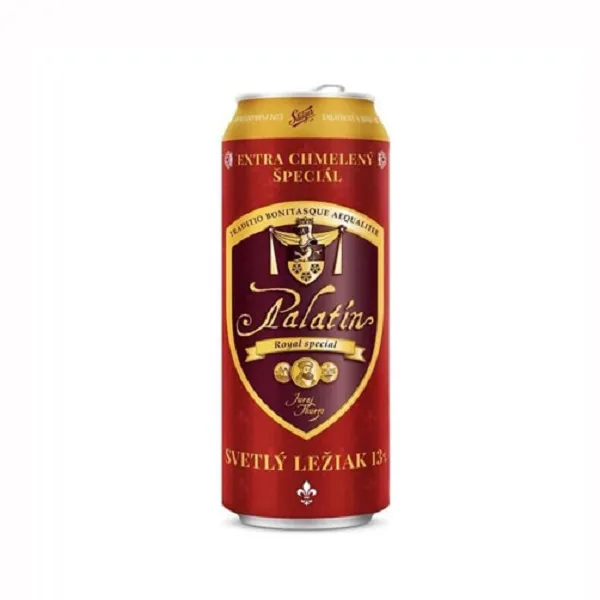
Pale lager and pilsner dominate Czech production and are most widely imported to Vietnam. These styles—around 5% ABV, golden color, clean finish—suit the climate and local preference for balanced, refreshing beers. Dark lager (tmavý ležák) and strong lager (11–13% ABV) are rarer in Hanoi but available by order at 1EURO. Wheat beers and sour styles are not traditional Czech categories. When you order, ask whether stock is current; Czech imports rotate based on shipping cycles, typically arriving quarterly. The Kim Ma store staff can confirm availability and suggest the nearest equivalent if your first choice is out of stock.
How do you choose Czech beer for a meal?
Czech pilsner pairs naturally with grilled fish, roasted chicken and mild cheeses—its clean finish cleanses the palate between bites. With Vietnamese pho or banh mi, a pale lager's sweetness and low hop sharpness don't fight umami or heat. Avoid pairing strong Czech lagers (above 8% ABV) with light dishes; they overwhelm. If you're unsure, ask 1EURO staff for a recommendation based on your menu—staff have tested pairings with local dishes like spring rolls, grilled shrimp and crab cakes. Serve at 8–10°C and pour into a pilsner or nonic glass to maximize aroma and retention.
| Beer Style | Who It's For | Food Pairing | Serving Temp |
|---|---|---|---|
| Pale Lager (Světlý Ležák) | Casual drinker, first-time buyers | Grilled fish, banh mi, spring rolls | 8–10°C |
| Pilsner (Česká Piva) | Hop enthusiasts, food lovers | Roasted poultry, mild cheese, crab | 8–10°C |
| Dark Lager (Tmavý Ležák) | Experienced palate, cold months | Beef, smoked pork, dark chocolate | 10–12°C |
| Strong Lager (11%+ ABV) | Special occasions, collection | Sipping after dinner, not with food | 12°C |
What should you check before ordering Czech beer online?
Verify the import date (look for production code on the label) and ensure the beer has been stored upright, cool and dark. At 1EURO, all stock is kept at 5°C and rotated to ensure freshness—ask staff for the arrival date when you order. Check bottle condition for leaks or oxidation (dark edges on the label). Confirm whether you want 330 ml singles or 500 ml bottles; mixed orders are fine. Use the price list to compare cost per bottle across Czech, German and Belgian imports. Delivery within Hanoi is free for orders over the minimum (see price list); otherwise a flat rate applies. The 30-day smile guarantee covers defects, but not incorrect selection—so ask for staff advice before checkout.
How does Czech beer fit into a Tet or gift occasion?
Czech beer makes a thoughtful gift because it signals curiosity and taste rather than mass-market choice. Many people in Hanoi recognize Czech quality but haven't tried specific breweries. Present a mixed pairing—one pale lager and one pilsner—so the recipient can taste the difference. 1EURO's gift sets for Tet can include Czech beers paired with wine or spirits. For corporate gifting, Czech imports signal sophistication without being pretentious; a branded pilsner glass adds value. Check with staff 2 weeks before Tet; popular Czech imports sell out. Pair with local snacks (salted crackers, smoked cheese) for a balanced gift basket.
What goes wrong when buying Czech beer in Hanoi, and how do you avoid it?
Common mistakes:
- Choosing by label only. A pretty label doesn't mean the beer is fresh or stored properly. Ask 1EURO staff for notes on flavor and arrival date.
- Mixing serving temperature. Czech beer served too warm (above 12°C) tastes dull and loses crisp finish. Buy a thermometer or ask the shop to chill it before delivery.
- Storing upright in sunlight. Czech glass is clear; direct sunlight causes "skunked" flavor in 15 minutes. Keep bottles in a cool, dark place (fridge ideal).
- Ignoring freshness dates. Czech lager, despite its long shelf life, degrades after 6 months. Check the production code; if unsure, ask the seller.
- Ordering during power cuts. Hanoi experiences occasional outages; order Czech beer only when you can refrigerate immediately. In monsoon season, confirm delivery timing.
Checklist before ordering:
- [ ] Check the price list for current Czech beer stock.
- [ ] Ask staff for arrival date and storage notes.
- [ ] Confirm delivery address is in Hanoi (or walk-in location).
- [ ] Verify you have a fridge at 5°C or cooler ready.
- [ ] Decide on bottle size (330 ml vs. 500 ml).
- [ ] Plan meal pairing or occasion.
- [ ] Confirm payment method (WhatsApp, cash on pickup, card).
Pages from our team you may need
FAQ
Can I order Czech beer from 1EURO if I'm not in Ba Dinh district?
Yes. 1EURO delivers throughout Hanoi via WhatsApp +84 984 914 461. Walk-in customers can visit the Kim Ma shop (Ba Dinh) or The Manor Central Park location (Hoang Mai). Delivery typically takes 2–3 days. Check the price list for minimum order and delivery costs.
What's the difference between Czech pilsner and a German pilsner?
Czech pilsner (Česká Piva) uses Saaz hops for a spicy, herbal bite and softer malt profile. German pilsner emphasizes sharper hop bitterness and mineral character from different water. Czech is rounder, German is crisper. Both are 4.5–5.5% ABV.
How long does Czech beer last in the fridge?
Properly stored at 5°C, Czech lager stays fresh for 4–6 months. Check the production date on the label. Once opened, drink within 2 hours for best flavor. If the beer tastes flat or sour, it's past its peak.
Is Czech beer expensive compared to Vietnamese or Thai imports in Hanoi?
Czech beer costs more than domestic brands but less than rare Belgian or Italian imports. Prices depend on the brewery and bottle size; check the price list at 1EURO to compare. A 330 ml Czech pale lager is a mid-range option for imported beer.
Can I mix Czech beer with other styles in a gift order?
Absolutely. 1EURO allows mixed orders. A gift combining Czech pilsner, Belgian Trappist ale, and Italian wine appeals to diverse palates. Staff can suggest pairings; order via WhatsApp for custom gift sets.
What's the best glass for serving Czech beer?
A pilsner glass (tall, tapered) or nonic glass (with a bump to prevent head collapse) shows clarity and aroma. Regular pint glasses work but hide the beer's visual character. 1EURO staff can advise on glassware; some Tet gift sets include branded glasses.
Do you need to decant Czech beer or let it warm before drinking?
No. Serve Czech beer chilled (8–10°C) straight from the fridge. A slow pour releases carbonation gently; let the beer rest 2–3 minutes before the first sip to let aromas settle. No decanting is needed.
Can I store Czech beer at room temperature in Hanoi?
Not long-term. Hanoi's heat (25–35°C) degrades beer within weeks. Store Czech imports in a fridge at 5°C or a cool, dark closet if refrigeration is limited. For shipment, insulated packaging keeps beer cold during delivery; ask 1EURO about insulation options.