Chilean Wine Brands in Vietnam: What to Buy at 1EURO
1EURO in Hanoi (Kim Ma–Ba Dinh and The Manor Central Park–Hoang Mai) stocks imported Chilean wine alongside German, Belgian, Italian and French labels. Chilean bottles range from mid-tier daily drinkers to premium reserves, made from cool valleys near the Pacific. Most orders arrive within 5–10 days via US shipping; walk in or message +84 984 914 461 on WhatsApp with your preference (variety, food pairing, budget). Every bottle ships in protective packaging and backs a 30-day smile guarantee. Before ordering, note the vintage year, alcohol level, and whether you want a fruit-forward or structured wine — Chilean reds suit grilled meat and clay-pot dishes; whites pair with seafood and lighter fare.
What makes Chilean wine different from other imports in Hanoi?
Chile's Pacific-facing valleys create cool nights that preserve acidity and complexity — distinct from warmer Argentine or Australian styles. The country's long, narrow geography spans from subtropical to Mediterranean climates, yielding diverse expressions: Sauvignon Blancs with mineral snap, Carmenères with dark spice, Cabernets with silky tannins. At 1EURO, this range means you're not forced into a single house style; instead, you pick the region and producer that fits your table.
💬 Order on WhatsApp +84 984 914 461
Which Chilean regions should you know before ordering?
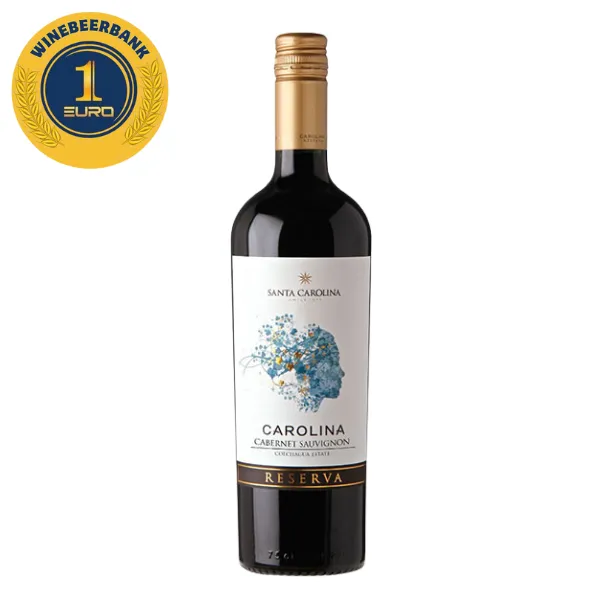
Maipo Valley grows Cabernet in alluvial soils, yielding structured, age-worthy reds. Casablanca and San Antonio, cooler coastal zones, excel at Sauvignon Blanc and Pinot Noir. Colchagua, further south, produces riper, fruit-forward Carmenères. Elqui Valley in the north specializes in Pisco and lighter whites. Most 1EURO stock gravitates toward Maipo and Casablanca—reliable, familiar names that pair well with Vietnamese grilled fish, satay, and beef tenderloin.
How do you decide between Cabernet, Carmenère, and Sauvignon Blanc?
| Variety | Flavor Profile | Best Food Pairing | Occasion |
|---|---|---|---|
| Cabernet | Dark plum, cedar, firm tannin | Grilled beef, clay-pot stews | Dinner, special date |
| Carmenère | Black cherry, cocoa, spice | BBQ ribs, peppery meat | Casual gathering, bold appetite |
| Sauvignon Blanc | Citrus, grass, mineral edge | Shrimp, ceviche, light salads | Lunch, aperitif, hot weather |
| Pinot Noir | Red berry, silky, low tannin | Roasted chicken, mushroom pasta | Weeknight, lighter mood |
Use this table: if you're cooking grilled beef or pho bo, lean Cabernet or Carmenère. Seafood and summer heat? Sauvignon Blanc wins. Pinot Noir bridges both worlds but stocks less frequently at 1EURO.
How should you store and serve Chilean wine once delivered?
Store bottles upright in a cool, dark cupboard (15–18°C ideal; avoid kitchen heat and direct sun). Red wines, once opened, keep 3–5 days recorked; whites, 5–7 days. Serve reds at 16–18°C (slightly cool to room temp), whites at 8–10°C (30 minutes in the fridge). Never chill reds heavily—tannins become harsh. If your Hanoi apartment lacks a wine fridge, a dark corner away from the air-con vent works. Decant full-bodied Cabernets 30 minutes before drinking to soften tannins and open fruit.
What should you check before ordering from 1EURO?
Decision checklist before you buy:
- Verify the vintage year (aim for 2019–2023 for current drinking; older only if you know the producer's aging potential).
- Note alcohol by volume (ABV)—Chilean wines typically range 13–14.5%; higher ABV (14.5%+) feels warmer, suits rich food.
- Ask about delivery time—US shipping takes 5–10 days; confirm availability on WhatsApp to avoid delays.
- Confirm bottle size—standard 750 mL; verify if you need larger (1500 mL magnums for entertaining).
- Check closure type (cork vs. screw cap)—screw caps are modern, reliable; cork adds tradition but needs care.
- Ask the staff about similar alternatives if your first choice is out of stock; 1EURO staff know which producers match your taste.
How does Chilean wine compare to other imports stocked at 1EURO?
French wine emphasizes terroir subtlety; Chilean wine delivers bolder fruit and riper tannins at lower cost. Italian wine offers fragrant, lighter expressions; Chilean Carmenère and Cabernet are fuller-bodied. If you want mineral elegance, French or Italian Sauvignon Blanc edge ahead. If you crave ripe plum and power with food-friendliness, Chile wins. Imported wine in Hanoi spans 15+ countries; Chilean labels hold strong mid-tier ground—complex enough for wine lovers, approachable enough for beginners.
When should you pair Chilean wine with Vietnamese dishes?
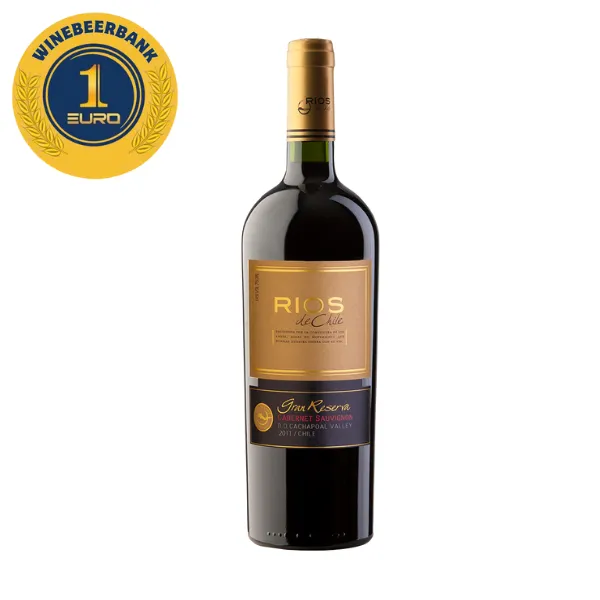
Clay-pot beef (Kho Thit Bo) matches rich, tannic Cabernet Sauvignon—the wine cuts fat, acidity lifts herbs. Grilled pork skewers (Thit Nuong) pair with medium-bodied Carmenère; spice in the wine echoes char and sauce. Fresh spring rolls (Go Cuon) need crisp Sauvignon Blanc to cleanse palate between rice paper bites. Pho with broth is tricky—skip wine; sip at meal's end instead. Seafood hot pot (Lau Tom Cua) leans toward cooler whites and rosés. Sticky rice and mango dessert? Finish with a cool Sauvignon Blanc or skip; sweets clash with most wines.
Why order from 1EURO instead of supermarket wine in Hanoi?
Supermarket shelves in Hanoi offer mass-market Chilean labels, often sitting in poor storage (heat, light, vibration) for months. 1EURO imports direct from US distributors, meaning fresher stock, proper temperature-controlled transit, and staff who taste and know each bottle. You get expert advice—ask which 2019 Maipo Cabernet suits your budget and table, and 1EURO staff steer you right. The 30-day smile guarantee means if a bottle disappoints, return it for a swap or credit. Expats and travelers who've tried supermarket wine then 1EURO stock report noticeably brighter, cleaner flavors—proof that provenance matters.
💬 Order on WhatsApp +84 984 914 461
How do you order Chilean wine from 1EURO and when does it arrive?
Order steps:
- Message +84 984 914 461 on WhatsApp with your preferred variety, region, and price range.
- Staff sends photos, tasting notes, and availability.
- Confirm and pay (via bank transfer or card, full details in WhatsApp).
- Bottle ships from the US within 48 hours; arrives in Hanoi 5–10 business days.
- Collect at Kim Ma (Ba Dinh) or The Manor Central Park (Hoang Mai), or arrange delivery if buying ≥2 bottles.
Alternatively, walk into either shop and browse 260+ wines in person. Staff match you to Chilean bottles based on your kitchen, guests, and mood.
What's the difference between a wine you find in Hanoi supermarkets and 1EURO stock?
Supermarket Chilean wine often sits in warehouses or shipping containers for 6–12 months in heat; oxidation dulls fruit and sharpens bitterness. 1EURO imports on demand, meaning bottles spend <2 months in transit and arrive fresher. You taste the difference: bright berries and clean finish vs. flat, tired profiles. Premium or rare producers—small-batch Carmenères, cool-climate Pinot Noirs, natural wines—rarely reach supermarket shelves; 1EURO sources them. Staff here also reject damaged shipments and poorly stored bottles; supermarkets stock whatever arrives. If you've tasted "Chilean wine" at a Hanoi bar and found it dull, try 1EURO's equivalent—the same label, properly stored, tastes like a different wine.
What newcomers get wrong when buying Chilean wine online in Vietnam.
Mistake 1: ignoring vintage. Buying a 2016 Cabernet when 2020–2022 is current is risky; old wine may have faded unless it's a premium producer designed to age. Ask 1EURO staff which years are drinking well now.
Mistake 2: chasing brand names instead of style. A famous label that doesn't suit your palate is wasted money. Instead, tell staff your food, mood, and past wines you've enjoyed—they match the producer, not the hype.
Mistake 3: underestimating storage. A bottle left in a Hanoi apartment next to the window or AC vent oxidizes within weeks. Keep it cool and dark; ask 1EURO for storage tips if you don't have a wine fridge.
Mistake 4: ordering too early. Buying for a dinner 4 weeks away works; ordering 8 weeks ahead and storing in poor conditions wastes the freshness advantage of 1EURO stock.
Mistake 5: not confirming delivery address. Hanoi has multiple districts; confirm the store address or delivery zone before ordering to avoid delays.
📍 Visit a 1EURO store
FAQ
Can I find Chilean wine at 1EURO Kim Ma and The Manor Central Park?
Yes. Both Hanoi shops stock imported Chilean wine alongside German, Belgian, Italian, and French labels. Walk in to browse or message WhatsApp +84 984 914 461 to request specific regions, vintages, or producers. Staff arrange delivery or in-store pickup within 5–10 days.
What alcohol level is typical for Chilean Cabernet and Carmenère?
Most Chilean reds sit 13.5–14.5% ABV. Higher ABV (14.5%+) wines taste riper and warmer; lower (13–13.5%) feel fresher. Ask 1EURO staff about the specific bottle—ABV affects how the wine pairs with your food.
How long does Chilean wine stay fresh after opening?
Reds keep 3–5 days if resealed and stored cool. Whites last 5–7 days. Once opened, oxidation starts; avoid leaving the bottle in warm or sunny spots. Finish within 2 days for best flavor.
Do Chilean wines ship to Hanoi faster than French or Italian imports?
All 1EURO stock routes through the US, so shipping time (5–10 days) is similar. The advantage is that Chilean bottles often cost less than equivalent French or Italian imports, and 1EURO staff know the value producers by heart.
What's the best Chilean wine for beginners?
Sauvignon Blanc is crisp and approachable; Pinot Noir is silky, not too tannic. Skip heavily oaked or very high-ABV bottles at first. Ask 1EURO staff for a 2021–2022 Casablanca or San Antonio producer—these regions make fruit-forward, easy-drinking wines perfect for learning.
Is screw-cap Chilean wine as good as cork?
Yes. Screw caps prevent cork taint and oxidation better than cork in some cases. They're now standard for modern Chilean producers. Preference is cultural; both seal bottles effectively. 1EURO stocks both; ask which your wine uses.