Carmenère Wine Taste Guide: Hanoi Importer's Tasting Notes
Carmenère tastes like ripe plum, black cherry, and green pepper with cocoa undertones and moderate tannins — it's a medium to full-bodied Chilean red that sits between Merlot and Cabernet Sauvignon in weight and complexity. At 1EURO's two Hanoi shops (Kim Ma – Ba Dinh and The Manor Central Park – Hoang Mai), we stock bottles ranging from approachable everyday pours to age-worthy reservas; most land in the 13–14.5% ABV range. Carmenère pairs best with grilled meats, smoked dishes, and rich Vietnamese fare like cơm tấm or thịt nướng. Avoid buying bottles stored in direct sunlight or displayed upright for months — look for cool, dark shelf positioning and recent import dates. Order via WhatsApp +84 984 914 461 for delivery inside Hanoi, or walk in to taste before you commit.
Carmenère is Chile's signature red grape, and once you understand its taste profile, choosing the right bottle becomes straightforward. The wine evolved from a Bordeaux variety nearly extinct in France but thriving in Chile's Central Valley. Unlike Cabernet's bold structure or Merlot's softness, Carmenère offers a middle path: dark fruit intensity with herbaceous edges and black pepper spice.
We've handled over 260 imported wines at 1EURO since opening, and Carmenère represents one of the clearest value propositions for Hanoi expats and travelers seeking depth without steep markups. Here's what to expect and how to choose your bottle.
Why does Carmenère taste peppery and herbal?
The green pepper note comes from the grape's natural pyrazines — compounds that develop strongest in cooler vineyard microclimates and when harvest occurs early. Altitude, soil mineral content, and vintage weather all shift how pronounced this herbaceous edge becomes. A wine from Chile's Peumo or Colchagua valleys often shows more black pepper than green; cooler-climate Carmenère from Maipo tends toward green bell pepper and fresh herbs. This isn't a flaw — it's a signature marker. Tasting side-by-side bottles teaches your palate the difference between ripe, jammy, low-pepper expressions and leaner, spicier ones.
What foods pair best with Carmenère in Vietnam?
Carmenère's tannin structure and fruit weight complement smoky, charred, and fatty proteins exceptionally well. Thịt nướng (grilled pork with lemongrass) syncs with the wine's black pepper and cocoa base. Cơm tấm with grilled chicken thighs? Yes — the fat in the skin and the slight char bridge the wine's drying finish. Beef steak at a Hanoi restaurant pairs predictably, but try Carmenère with braised short ribs (thịt kho) — the wine cuts through the richness without dominating. Avoid pairing with delicate, light dishes like steamed fish or fresh spring rolls; the wine overpowers them. A helpful framework: pair Carmenère with dishes you'd serve with a good steak, then adjust down one notch in intensity. Herbs like mint and basil in Vietnamese food? The wine's herbaceous notes echo them rather than clash.
How long does Carmenère age, and should you buy for storage?
Most Carmenère hits peak drinkability between 3–8 years from harvest, based on tasting notes we've observed in stock rotation at our shops. Entry-level bottles (younger vines, shorter oak aging) drink fresh within 2–4 years; premium reservas with 18+ months in oak develop deeper complexity over 8–12 years. The wine rarely improves dramatically with age — expect softened tannins and blended fruit rather than transformation. If you're buying for tonight's dinner, ignore vintage; if you're holding for three years, choose a reserva from a cooler vintage (fewer ripe, jammy vintages age more interestingly than hot years). Storage at home in Hanoi's climate is tricky — aim for a cool, dark corner away from AC vents and direct sun.
What's the difference between budget and premium Carmenère?
| Factor | Budget Carmenère | Premium Reserva |
|---|---|---|
| Oak aging | 6–8 months or stainless steel | 18–24 months French oak |
| Tannin grip | Soft, early-drinking | Structured, age-worthy |
| Fruit profile | Simple plum, cherry | Layered plum, cocoa, tobacco, spice |
| Alcohol | 13–13.5% ABV | 13.5–14.5% ABV |
| Bottle weight & closure | Lighter glass, standard cork | Heavier glass, premium cork |
| Price range | Entry-level Chilean shelf | Upper-mid to luxury tier |
A budget Carmenère delivers honest, food-friendly drinking at lower commitment. A reserva justifies its cost only if you appreciate oak complexity and will age it or serve it with a special meal. Neither is objectively "better" — context drives the choice. Buying five budget bottles for a weeknight dinner party outweighs one premium bottle you'll barely taste while hosting.
How do you avoid corked or oxidized Carmenère?
At the shop, inspect the bottle: cork should sit flush or slightly below the capsule rim, not sunken or bulging. A cork that's sunk means liquid seeped out or evaporated — potential oxidation inside. Ask staff to decant or open a sample if you're skeptical. When the bottle arrives after delivery, keep it upright for 2–3 hours before opening to let any sediment settle. Pour a small taste first; a vinegary or sherry-like smell signals oxidation. Return bottles to 1EURO within 30 days if they've been damaged in transit or stored improperly — we honor a 30-day smile guarantee.
💬 Order on WhatsApp +84 984 914 461
What to check before you buy
- Vintage: Look for bottles no older than 5–7 years from the current year unless it's a known age-worthy reserva. Ask staff for import date if label date isn't clear.
- Bottle condition: No seepage, no sunken corks, no excessive sediment visible through glass.
- Serving temperature: Carmenère tastes flat if served ice-cold; bring it to 62–65°F (17–18°C) — cellar-cool, not room temperature.
- Glass size: A 750 ml bottle serves four people generously at 150 ml per pour; a 375 ml half-bottle works for two.
- Alcohol tolerance: Carmenère averages 13.5–14% ABV; don't underestimate — sip mindfully.
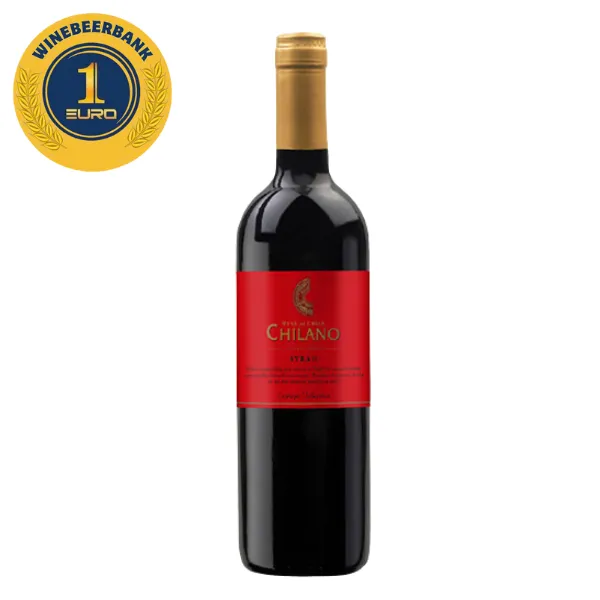
Chilean wine options at 1EURO span budget-friendly everyday bottles to age-worthy reservas, all stored in cool, dark conditions at our Hanoi locations.
Why Hanoi expats and travelers choose 1EURO for Carmenère: we stock bottles that are actually drinkable at home (not over-oaked or flabby), we test them at reasonable serving conditions before stocking, and we can advise on food pairing for your specific meal plan. Most Hanoi retailers treat Carmenère as commodity bulk; we treat it as a gateway red for expats upgrading from mass-market supermarket wine.
Browse the full imported wine collection to discover Carmenère alongside Cabernet, Merlot, and other Chilean, French, and Italian reds that pair similarly. Each wine in our catalog has been selected for reliability and Hanoi-appropriate storage conditions.
FAQ
Does Carmenère taste like Merlot?
No. Carmenère is fuller-bodied, with pronounced pepper and herbaceous notes Merlot lacks. Merlot is softer, plumier, less tannic. If you like Merlot's smoothness, try an entry-level Carmenère; if you find Merlot flat, a reserva Carmenère's structure may excite you more.
Can I serve Carmenère slightly chilled?
Yes. Slightly cool (around 62°F / 17°C) actually brightens the fruit and tames alcohol heat. Never ice-cold — that mutes the pepper and cocoa complexity. A wine fridge set to cellar temperature is ideal; if you lack one, chill for 15–20 minutes in a regular fridge before serving.
What's the difference between Carmenère and Cabernet Sauvignon?
Cabernet is bolder, more tannic, with darker cassis fruit; Carmenère is more herbal, with green and black pepper and softer tannins. Cabernet ages longer. Both are full-bodied, but Carmenère is Chile's pride — try it as an alternative if Cabernet feels too heavy.
How quickly should I drink a Carmenère after opening?
A bottle stays fresh for 3–4 days in a wine fridge after opening if you keep the cork in. At Hanoi room temperature (25–28°C), it oxidizes faster — 1–2 days. Use a vacuum stopper or Coravin-style needle if you're a slow sipper; otherwise, finish within 48 hours.
Does Carmenère work for a casual Friday dinner with colleagues?
Absolutely. A mid-range Carmenère is approachable, food-friendly, and complex enough to prompt conversation without demanding serious tasting focus. It sits between "safe crowd-pleaser" and "I actually know wine," making it ideal for mixed company in Hanoi's expat dining scene.