Bringing Alcohol Into Vietnam: Legal Limits & What to Know
Vietnam permits residents and visitors to import up to 1 litre (1 L) of spirits (over 20% ABV) or 2 litres (2 L) of wine or beer duty-free per person; exceeding this triggers a 20–30% tax. The limit applies once per entry; family members each get their own allowance. Passengers must declare alcohol at customs; undeclared bottles risk confiscation and fines. Age is 18+. Buy before departure at airport duty-free or at 1EURO in Hanoi (imported beer and wine shop in Hanoi) to stay within limits and avoid surprise fees. Keep receipts and packaging intact for inspection.
Vietnam's customs authorities enforce a strict per-person duty-free allowance on alcohol entering the country. Understanding this threshold before packing saves you from customs delays, unexpected taxes, and confiscation. This guide walks you through the legal framework, packing strategy, and where to source alcohol wisely in Hanoi.
What exactly is Vietnam's alcohol import limit per person?
Vietnam permits 1 litre of spirits (distilled beverages over 20% ABV) or 2 litres of wine, champagne, sparkling wine, or beer duty-free per person, per entry. This is a strict personal allowance; you cannot combine categories to exceed 2 litres total. The limit applies regardless of whether you're a resident, tourist, or expat returning home. Each adult family member (18+) gets their own separate allowance—a family of four can lawfully bring 4 litres of spirits or 8 litres of wine. Amounts beyond this incur a 20–30% import tax and are subject to customs discretion; some officers may confiscate excess entirely.
Do I need to declare alcohol at Vietnamese customs?
Yes. Declaration is mandatory. Customs forms require you to list spirits, wine, and beer by volume and estimated value. Failure to declare invites suspicion and possible confiscation, even if you're within limits. Keep your receipts and preferably original packaging (labels, caps, boxes intact) to prove alcohol content and legitimacy during inspection. Officers may open bottles or scan barcodes to verify ABV. Undeclared or mislabeled alcohol can be seized without compensation. Transit through a major airport (Noi Bai, Tan Son Nhat, Da Nang) typically involves a customs checkpoint; land and sea borders apply the same rules but may have lower enforcement visibility.
How do I calculate my allowance if I'm traveling with family?
Use this framework to avoid confusion:
| Traveler type | Spirits limit | Wine/beer limit | Notes |
|---|---|---|---|
| Single adult | 1 L | 2 L | Choose one category or split (e.g., 0.5 L spirits + 1 L wine = within both limits) |
| Couple (2 adults) | 2 L total | 4 L total | Each person's 1 L + 2 L allowance stacks |
| Family of 4 | 4 L total | 8 L total | Children (under 18) have no alcohol allowance |
| Group travelers | Sum per adult | Sum per adult | Share a purchase list before checkout |
Example: A family of three adults returning to Hanoi can import up to 3 litres of spirits and 6 litres of wine. If two adults buy 1.5 L spirits + 3 L wine, they're over—the 1.5 L spirits exceeds the household's 1 L per-person cap. Plan together to avoid this trap.
Where should I buy alcohol before entering Vietnam to stay within limits?
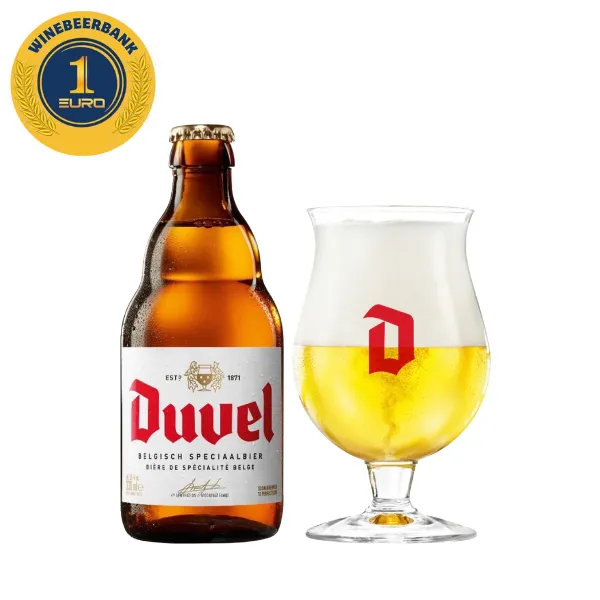
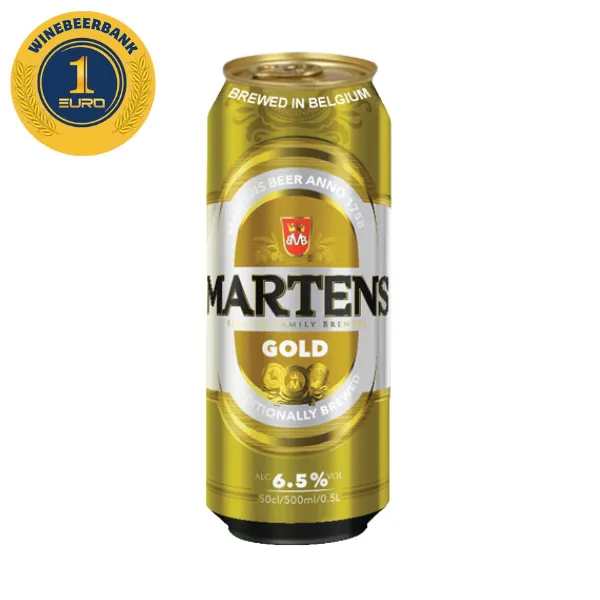
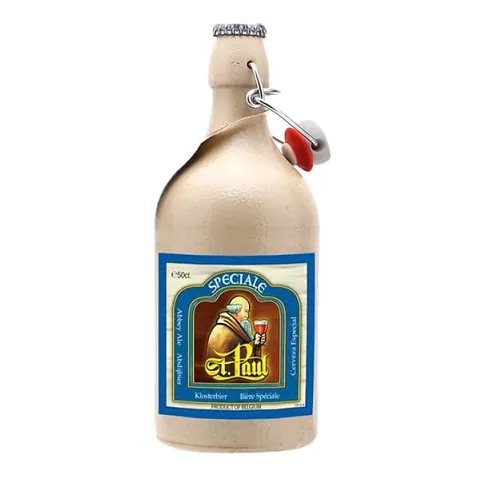
International airports in departure countries offer duty-free shops with no sales tax, making them the cheapest entry point. Bottles are sealed and tax-stamped, satisfying customs officials. However, duty-free selections are often limited and prices higher than local retailers. Once in Hanoi, 1EURO shops on Kim Ma (Ba Dinh) and The Manor (Hoang Mai) stock over 260 imported beers, wines, and spirits, and ship within Vietnam duty-paid at regular retail prices—no hidden customs surprise. If you're a resident or frequent visitor, buying in-country and stockpiling at home is legal; the 1 L / 2 L limit applies only to cross-border transit per entry event. For imported beer in Hanoi, German beer, Belgian beer, imported wine in Hanoi, and imported spirits, browse the full range on-site or order via WhatsApp for delivery.
💬 Order on WhatsApp +84 984 914 461 | 📋 See the price list
What mistakes do travelers make at customs, and how do I avoid them?
Mistake 1: mixing spirit and wine limits. You get 1 L spirits or 2 L wine—not 1 L + 2 L combined. Bringing 1 L vodka and 1.5 L wine (2.5 L total) triggers tax on the excess 0.5 L wine. Solution: decide in advance which category you prefer and stick to one.
Mistake 2: buying large, heavy bottles. A 1.75 L bottle of spirits uses your entire allowance, weighs 2+ kg, and risks breakage in luggage. Solution: buy smaller 700 mL or 500 mL bottles; you can fit two within 1 L limit and reduce breakage risk.
Mistake 3: no receipts or original labels. Customs cannot verify ABV or origin if labels are torn or no proof of purchase exists. Officers may confiscate or estimate tax upward. Solution: keep receipts stapled to duty-free bags; wrap bottles in original packaging.
Mistake 4: undeclared or "hidden" alcohol. Some travelers pack spirits in checked luggage without declaring, hoping to avoid duty. This is illegal and risks confiscation, fines up to our current quote, or deportation in extreme cases. Solution: declare everything upfront, even if you're within limits.
What should I check before buying alcohol to import into Vietnam?
Use this pre-purchase checklist to stay legal and avoid waste:
- ABV percentage: spirits must exceed 20% ABV to fall under "spirits" limit; lower-alcohol beverages (wine, beer) count toward the 2 L allowance.
- Bottle size: add up volumes mentally—two 700 mL bottles exceed 1 L, triggering tax on one; stick to one 750 mL or smaller.
- Sealed/tax-stamped: duty-free bottles are sealed; inspect caps, foil, and barcodes before purchase to avoid customs questions.
- Country of origin: Vietnam has no blanket bans on specific countries, but some very high-ABV spirits (grain alcohol, moonshine-type products) may be flagged as non-beverage spirits; buy commercial branded bottles only.
- Temperature sensitivity: wine and beer degrade in heat above 25°C and light; pack in carry-on or insulated luggage, not checked baggage exposed to cargo holds.
- Your next steps in Hanoi: if you want to expand your collection after arrival without re-importing, visit 1EURO or call +84 984 914 461 on WhatsApp to order online with next-day delivery in Hanoi.
For specific recommendations by taste or occasion—sparkling wine for celebrations, French wine or Italian wine for dining, Chilean wine for value—our staff can guide you by region and food pairing once you're in the city.
📍 Visit a 1EURO store | 💬 Order on WhatsApp +84 984 914 461
FAQ
Can I bring more than 1 L of spirits if I'm staying in Vietnam permanently?
The 1 L / 2 L limit applies per entry, not per residency status. Once you enter and clear customs, you can buy and keep alcohol in-country without re-importing; no limit applies to domestic purchases. If you leave and re-enter, the allowance resets.
Does duty-free alcohol count toward my 1 L limit?
Yes. Duty-free bottles purchased in your departure airport still count as your 1 L spirits or 2 L wine allowance entering Vietnam. The "duty-free" label means no sales tax in the origin country, not exemption from Vietnam's import rules.
What if I exceed the limit—do I pay tax or lose the bottles?
Exceeding the limit triggers a 20–30% import tax on the excess; officers rarely confiscate if the amount is modest (e.g., 200 mL over) and you cooperate. However, large overages or undeclared goods may be confiscated entirely at the officer's discretion. Paying tax is faster than disputes.
Are children (under 18) allowed to bring alcohol?
No. Only passengers 18+ have a duty-free alcohol allowance. Children have zero allowance; their portions cannot be transferred to parents or guardians.
Can I send alcohol by mail or courier into Vietnam instead of carrying it?
International shipping of alcohol into Vietnam requires import licenses and incurs heavy duty and logistics costs—far exceeding personal duty-free allowances. Mail and courier shipments are often held or returned. Carry alcohol in your checked or carry-on luggage only; this is the legal and practical route for personal use.
What's the difference between buying at duty-free versus buying in Hanoi with 1EURO?
Duty-free offers tax savings on departure; prices are often higher because of airport markup. Buying in Hanoi at 1EURO costs more upfront (no tax exemption, but retail markup is lower than airports) but avoids customs risk and luggage weight. For residents and repeat visitors, in-country shopping is simpler; for first-time travelers, duty-free is a safer entry point if you stay within 1 L / 2 L limits.