Best Wine with Seafood: Pairing Guide for Hanoi Diners
Seafood pairs best with dry white wines (Sauvignon Blanc, Albariño, Pinot Grigio), crisp rosés, and bone-dry sparkling wines—all have acidity that cuts through richness and complements delicate fish. Cold-water fish (sea bass, halibut) suit mineral whites; oily fish (salmon, mackerel) need higher acidity or tannin-free reds. Shrimp works with unoaked whites; crab pairs with aged white Burgundy or richer Chardonnay. Avoid heavy reds, high-alcohol whites, and sweet wines unless the dish itself is sweet. At 1EURO, Hanoi's imported wine shop (Kim Ma, Ba Dinh and The Manor, Hoang Mai), you'll find European whites and rosés pre-selected for seafood compatibility—order via WhatsApp +84 984 914 461 or visit in person. Proper chilling (45–50°F), correct glassware (white-wine glasses, not flutes for still wines), and tasting notes on the bottle guide your choice.
Why does acidity matter most with seafood?
Acidity in wine (pH below 3.3, typical for dry whites) mirrors the natural tartness of citrus marinades, lemon juice and vinegar-based sauces on seafood dishes. High acidity cleanses fat deposits on the tongue, preventing palate fatigue after bites of buttery fish or creamy pasta. Wines with low acidity (over pH 3.5) taste flat or cloying alongside seafood; they amplify any fishiness instead of balancing it. The Loire Valley whites (Sauvignon Blanc, Chenin Blanc) and Spanish Albariño are naturally high-acid, making them reliable choices. Check the tasting note on the label: if it says "crisp," "mineral" or "zesty," acidity is present.
Which white wine style suits each seafood type?
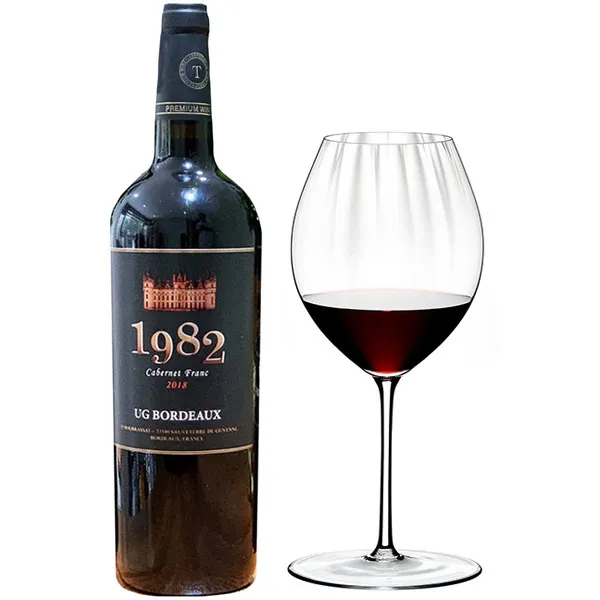
Unoaked whites (stainless-steel fermented Sauvignon Blanc, Pinot Grigio) pair with mild, delicate fish (sole, flounder, cod) and raw shellfish (oysters, clams)—oak would mask subtle flavors. Oaked or fuller whites (Chardonnay, white Burgundy) match richer fish (halibut, sea bass) and crustaceans (lobster, crab) because buttery, toasty notes echo the richness. Mineral, lean whites (Chablis, unoaked Chardonnay, Vermentino) work with grilled or salt-crusted whole fish. The decision: taste the seafood's fat content and sauce. If it's light and fresh, go unoaked. If it's rich, buttery or cream-sauced, choose oaked or fuller-bodied options.
💬 Order on WhatsApp +84 984 914 461
Can you pair seafood with rosé or sparkling wine?
Yes. Dry rosés (under 1.5% residual sugar, noted on label) work with nearly all seafood—they combine white wine's acidity with red wine's complexity, plus a refreshing fruit character. Provence rosés (pale, bone-dry, 12–13% ABV) suit grilled fish and Mediterranean seafood dishes. Bone-dry sparkling wines (Champagne, Cava, Prosecco Brut) refresh between bites and pair well with appetizers (shrimp canapés, oyster platters). Avoid off-dry or demi-sec sparkling wines (these are sweet) unless serving with seafood risotto or scallops in cream. Check the label: "Brut" means bone-dry (under 1.2g/L sugar); "Sec" or "Demi-Sec" are semi-sweet or sweet. Rosé and sparkling are ideal for mixed seafood platters where one wine choice must work across multiple items.
What seafood and wine combinations actually work together?
Here's a practical matching table based on seafood type, sauce, and wine pairing:
| Seafood Dish | Sauce Profile | Best Wine Type | Why It Works |
|---|---|---|---|
| Grilled white fish (cod, sole) | Lemon, olive oil | Sauvignon Blanc, Vermentino | Acidity echoes citrus; mineral notes don't compete |
| Salmon or mackerel | Butter, dill, cream | Oaked Chardonnay, white Burgundy | Full body balances oily fish; oak adds richness |
| Shrimp pasta | Garlic, white wine, light olive oil | Pinot Grigio, unoaked Chardonnay | Crisp acidity cuts through fat; clean finish |
| Crab or lobster | Melted butter, seasoning | Chablis, aged Sauvignon Blanc | High acidity pairs with sweetness; mineral backbone |
| Oysters (raw) | Mignonette, no sauce | Muscadet, Albariño, Champagne | Extreme acidity matches briny shell; refreshing |
| Seafood risotto | Cream, Parmesan, stock | Oaked white Burgundy, Vermentino | Richness demands fuller wine; acidity still necessary |
| Seared scallops | Light butter or cream sauce | Chablis, Picpoul de Pinet | Sweetness of scallops needs crisp, mineral white |
| Grilled squid or octopus | Charred, olive oil, lemon | Verdicchio, Greek Assyrtiko | High acidity and minerality handle charring |
Check the imported wine collection at 1EURO for specific bottles matching these styles; staff can confirm acidity and residual sugar on request.
How do you avoid common seafood-wine mistakes?
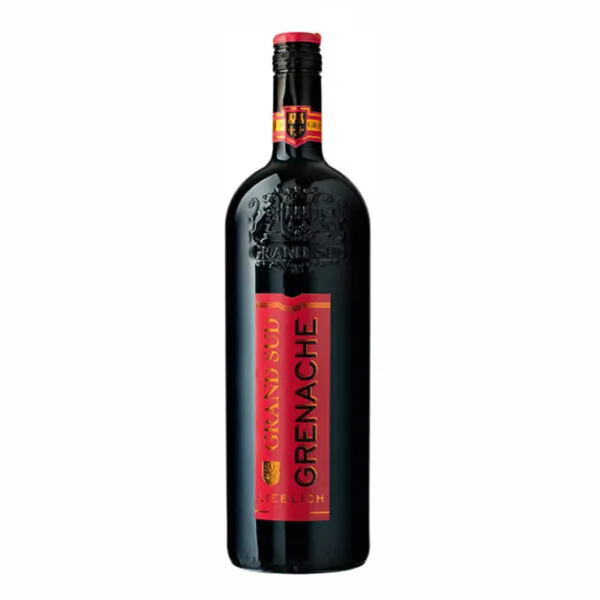
Mistake 1: Pairing oaky reds (Cabernet, Barolo) with delicate fish. Oak tannins overpower soft seafood flesh, creating a metallic aftertaste. Exception: very rich, grilled fatty fish (swordfish, tuna steaks) can handle light Pinot Noir, but acidity remains key.
Mistake 2: Choosing high-alcohol whites (15%+ ABV). Alcohol heats the palate and masks delicate flavors; seafood needs wines under 14% ABV. Check the label for ABV percentage.
Mistake 3: Serving warm or room-temperature wine. White wines and rosés release bitter compounds above 55°F. Chill to 45–50°F. Use an ice bucket at table if no fridge access.
Mistake 4: Pairing sweet or off-dry wines (Riesling Kabinett, Moscato, white Zinfandel) unless the dish contains fruit or sweet sauce. These wines clash with savory, brined, or umami-rich seafood.
Mistake 5: Forgetting to match the sauce, not just the fish. A simple grilled cod suits different wine than cod in cream sauce. Evaluate oil, butter, acid (lemon, vinegar), salt level, and spices before choosing.
What to check before you buy wine for seafood
- Residual sugar (RS) on the label: Under 1g/L = dry (safe for savory seafood). Over 4g/L = off-dry or sweet (risky unless pairing calls for it).
- ABV (alcohol by volume): Aim for 12–13.5% for whites; 13–14% for fuller styles. Higher alcohol stresses the palate with seafood.
- Acidity clues in the tasting note: "Crisp," "mineral," "zesty," "fresh" signal high acidity. "Soft," "round," "smooth" suggest lower acidity (avoid).
- Oak treatment: Unoaked = "Stainless steel fermented," "unoaked," or grape names only (Sauvignon Blanc). Oaked = "Oak-aged," "barrel-fermented," or region hints (white Burgundy, Chardonnay).
- Serving temperature: Once you buy, chill to 45–50°F before opening. Room-temperature white wine is rarely correct with seafood.
- Bottle condition: If buying online, confirm delivery includes insulated shipping; wine shipped in heat (common in Hanoi summer) oxidizes and tastes flat.
All 1EURO bottles arrive chilled and documented with tasting notes and ABV—no guessing at purchase time. Call WhatsApp +84 984 914 461 with dish details; staff recommend by acidity and sauce profile.
Pages from our team you may need
FAQ
Can I pair red wine with seafood?
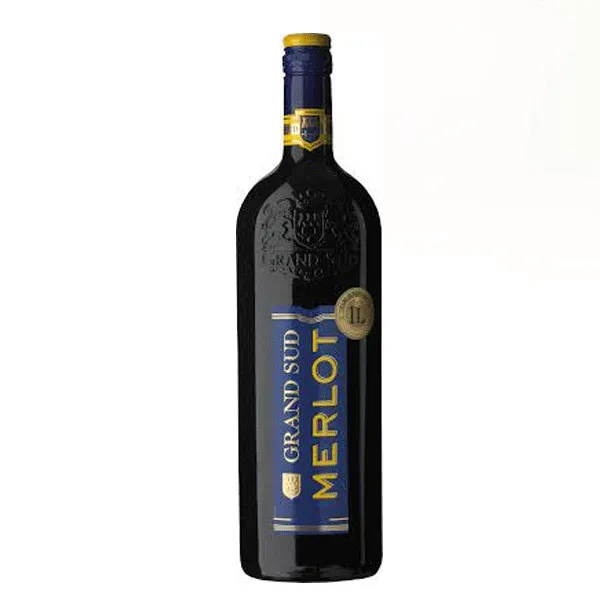
Light, low-tannin reds (Pinot Noir, Bardolino) work with fatty fish (salmon, tuna steaks) or grilled octopus. Never pair heavy, tannic reds (Cabernet, Barolo) with delicate white fish—tannins clash with seafood's delicacy and create metallic aftertaste.
What's the difference between Sauvignon Blanc and Pinot Grigio for seafood?
Sauvignon Blanc (Loire Valley, New Zealand) is more herbaceous, mineral, and acidic—ideal for raw oysters or Asian seafood with soy/vinegar sauces. Pinot Grigio (Italy) is lighter, crisper, more neutral—safer choice for unfamiliar dishes or mixed platters.
Should I chill sparkling wine differently than white wine?
Champagne and Cava chill to 45°F; Prosecco Brut chills to 50°F. Both stay colder longer in a champagne cooler (ice and salt) than a regular wine glass. Serve within 15 minutes of opening if no cooler is used.
Does Vietnamese seafood need different wine than European seafood?
Vietnamese fish sauce, lime, and chili demand very high acidity—pick Sauvignon Blanc, Vermentino, or Albariño over soft Chardonnay. The saltiness and funk of fish sauce echo mineral, briny wines. Test: if the dish includes lime juice and fish sauce, lean toward Loire whites or Spanish Albariño.
How do I know if a wine is too old or damaged before buying?
Inspect the cork: if it protrudes above the bottle rim, oxidation likely occurred. Sediment in white wine signals it's old (may be intentional for aged Riesling or Chenin Blanc, but ask staff first). Smell the wine after opening—if it smells like cardboard, vinegar, or cooked vegetables, it's corked or oxidized; return it. 1EURO offers a 30-day smile guarantee on all bottles.
Is there a seafood wine I can buy in Hanoi right now?
Yes. 1EURO stocks Spanish Albariño, Loire Sauvignon Blanc, Italian Pinot Grigio, French Chablis, and Champagne year-round at both Hanoi locations (Kim Ma, Ba Dinh and The Manor, Hoang Mai). Order online via WhatsApp +84 984 914 461 with your dish description; delivery inside Hanoi takes 1–2 days.