Best Wine with Korean BBQ: Hanoi Shop Guide
Korean BBQ's high heat, salt, and umami require wines with acidity, fruitiness, or effervescence to cut through richness and refresh the palate between bites. Reds work best (especially Pinot Noir, lighter Syrah, or Grenache), but off-dry whites and sparkling wines perform equally well depending on marinade and cooking method. 1EURO, at Kim Ma (Ba Dinh) and The Manor (Hoang Mai) in Hanoi, stocks over 260 imported wines—German, Belgian, French, Italian, Chilean, Spanish—chosen specifically for food pairing. Choose red if you grill beef short ribs; white or sparkling for pork belly or seafood. Avoid heavy, oaked reds that overpower rather than complement. Order via WhatsApp +84 984 914 461 for delivery inside Hanoi, or walk in to taste before buying. 💬 Order on WhatsApp +84 984 914 461 | 📋 See the price list | 📍 Visit a 1EURO store
Korean BBQ melds grilled meat, fermented sides (kimchi, ssamjang paste), and high cooking heat into a flavor profile that confuses many wine drinkers. Most assume they need big, powerful reds. In fact, the opposite works: wines with structure but not weight—acidity, freshness, lower alcohol—beat those heavy oaked bottles every time. At 1EURO, our staff has paired hundreds of bottles with Korean meals for expat diners and travelers. This guide shares what actually works, what to avoid, and how to order.
Why acidity matters more than body for Korean BBQ?
Acidity is your weapon against umami, salt, and char. Korean marinades (soy, sesame, garlic, gochujang) create intense savory depth that dulls the palate after a few bites. A wine with high acidity—typically 3.5–4.0 pH—cleanses the mouth, resets taste buds, and prepares them for the next piece of meat. A wine's acidity (not its alcohol level) determines how well it pairs. Light reds and whites outperform full-bodied Cabernets or oaked Chardonnays because they deliver that cleansing snap without competing for attention. Body matters less than freshness.
Which imported wine styles pair best with Korean beef?
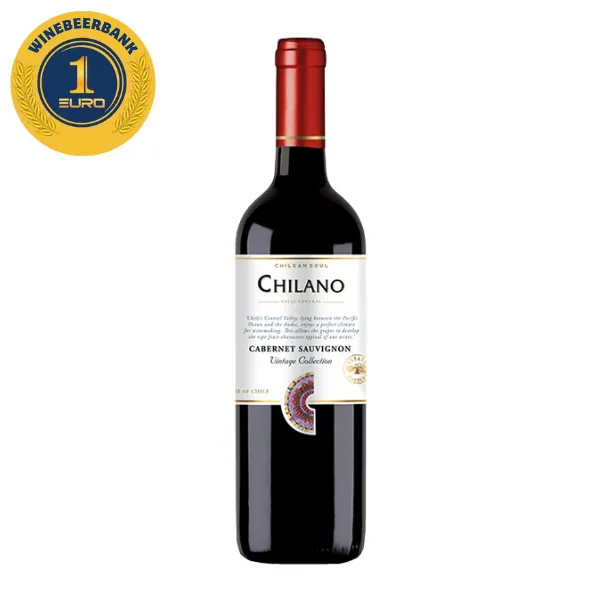
For grilled beef (short ribs, ribeye, brisket marinated in soy and sesame), three styles excel. Pinot Noir offers red-fruit brightness, silky tannins, and acidity without heaviness—it's the gold standard for Korean BBQ globally. Grenache (lighter Rhône blends) delivers earthiness and spice that echo toasted sesame oil. Young Syrah (not heavily oaked) brings pepper and smoke that mimic grill char. Italian wine also works: Barbera and Dolcetto carry acidity and body without oak dominance. At 1EURO, we stock French wine ranges (Burgundy, Côtes du Rhône) and Chilean wine Pinot and Carmenère options. Avoid Cabernet Sauvignon (too tannic, too heavy) and oaked Rioja (oak competes with char). The best beef pairings run 12–14% alcohol and cost less than heavy prestige labels.
💬 Order on WhatsApp +84 984 914 461
Can white wine or sparkling work for Korean BBQ?
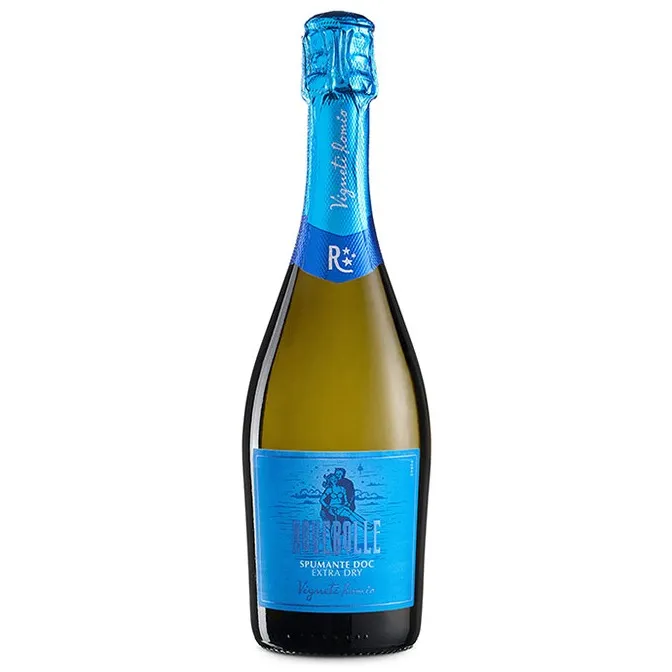
Absolutely—and often better than red. Off-dry or unoaked white wines (Albariño, Vermentino, Sauvignon Blanc, Riesling) cut through pork belly, seafood, and chicken with surgical precision. Their acidity is sharper than most reds, and the fruit flavors don't clash with fermented sides. Sparkling wines (Prosecco, Cava, Champagne) add effervescence—the bubbles literally scrub your palate and heighten the eating experience. Sparkling wine is underrated for BBQ; many diners reserve it for dessert, but it's the secret weapon for long meals with multiple grilled items. At 1EURO, sparkling options range from Spanish Cava to French Champagne, each offering acidity and festivity without sweetness or oak. For a table mixing beef, pork, and shrimp, sparkling or a crisp white adapts better than a single red.
How does marinade type change your wine choice?
Marinade chemistry shifts what wine works. Soy-based marinades (standard Korean short ribs, bulgogi) pair with acidic reds and whites equally. Gochujang-heavy mixes (spicy, fermented) demand wines with enough body and alcohol to match heat—avoid thin, low-alcohol wines. Sesame oil (nutty, toasty) loves earthy reds (Grenache, young Syrah) and white wines with mineral notes. Here's a decision framework used by 1EURO staff when customers describe their menu:
| Marinade Profile | Wine Type | Why It Works | Alcohol Range |
|---|---|---|---|
| Soy + sesame (classic) | Pinot Noir, Albariño | Acidity cuts umami; red fruit echoes sesame | 12–13.5% |
| Gochujang + garlic (spicy) | Grenache, Riesling off-dry | Body matches heat; residual sugar calms pepper | 13–14% |
| Soy + vinegar (tangy) | Sparkling, Sauvignon Blanc | Acid-on-acid amplifies freshness | 11.5–12.5% |
| Sesame oil (rich) | Barolo, Barbaresco light | Tannins balance fat; earth mirrors toasting | 13–14% |
| Korean BBQ sauce (sweet-savory) | Gamay, light Syrah | Fruitiness softens sweetness without cloying | 12.5–13.5% |
Avoid pairing sweet reds or heavily oaked whites (they worsen salt and char perception). Ask 1EURO staff which marinade your restaurant uses; we'll narrow choices to 2–3 bottles.
💬 Order on WhatsApp +84 984 914 461 | 📍 Visit a 1EURO store
What to check before you buy for Korean BBQ?
Alcohol level: Aim for 12–14%. Below 11% tastes thin; above 15% overpowers with heat.
Acidity cues: Look for terms like "crisp," "bright," "mineral," "dry." Avoid "smooth," "soft," "oaked," "velvety."
Vintage and storage: Younger wines (last 2–3 vintages) fresher than aged bottles. At 1EURO, all bottles are stored upright, temperature-controlled, in our Hanoi shops—no risk of cork damage from tropical heat.
Producer reputation: 1EURO stocks only genuine imported wines from licensed EU and international producers—no fakes, no damaged stock. If a bottle arrives corked or tastes off, we replace it (30-day guarantee).
Tasting before an event: Walk into the wine collection at 1EURO and ask for a taste card (no charge). Compare two or three styles side-by-side before ordering for a dinner party.
How to order imported wine in Hanoi and get it to your table on time?
1EURO serves expats and travelers at two Hanoi locations: Kim Ma, Ba Dinh and The Manor Central Park, Hoang Mai. Walk in to browse over 260 wines (German, Belgian, French, Italian, Chilean, Spanish). Staff speaks English and knows every bottle's acidity, alcohol, and food match—ask for a recommendation and taste samples.
For delivery: Message WhatsApp +84 984 914 461 with your order. Include wine style (e.g., "Pinot Noir under 13.5% alcohol," or "sparkling wine for Korean BBQ"), serving date, and delivery address (Hanoi only). Delivery takes 2–4 hours in most districts. Pay cash on delivery or via bank transfer (details sent with order). See the price list to browse bottles and set your budget before messaging.
For walk-in visits: Both shops stock the same range. Monday–Sunday, open for browsing and purchasing. Bring a cooler or ask staff for an insulated bag (no extra charge) if carrying bottles more than 20 minutes.
Why imported European wine beats local options for Korean BBQ?
Korean BBQ's complexity (umami, heat, char, fermentation) demands wine complexity. European wines—especially those aged in neutral oak or unoaked—offer the acidity, tannin structure, and fruit balance needed to partner, not overpower. Local or mass-market bottles often lack this balance; they taste flat or flabby next to grilled meat. At 1EURO, customers consistently report that a bottle of French wine Côtes du Rhône or Italian wine Barbera transforms a Korean BBQ meal from pleasant to memorable. The difference is acidity, terroir, and intentional winemaking—not marketing. Imported options cost less than many assume, especially if you avoid prestige labels.
Pages from our team you may need
FAQ
Can I pair beer with Korean BBQ instead of wine?
Yes. Imported beer works similarly to white wine—high carbonation, acidity, and low alcohol cleanse the palate. German pilsners and Belgian wheat beers excel. Wine offers more complexity and pairs better with marinades; beer is lighter and social. 1EURO stocks both; choose based on mood and meal length.
What happens if I pair a heavy red wine with Korean BBQ?
Heavy reds (Cabernet, oaked Burgundy, Barolo) taste bitter and muddy next to salt, char, and umami. Their tannins grip your mouth and dry it out; you'll feel thirsty, not refreshed. You'll reach for water instead of enjoying the wine. Stick to light reds or whites.
Is Riesling too sweet for Korean BBQ?
No, if it's dry or off-dry. Korean restaurants often serve dessert wines by mistake. 1EURO stocks dry Rieslings (German Kabinett, Alsatian bone-dry) that pair beautifully with spicy, salty marinades. Ask staff to confirm "trocken" or "dry" on the label before buying.
How much wine should I order for a Korean BBQ dinner for six people?
One bottle per two people (3 bottles for 6) is standard if the meal lasts 1.5–2 hours and food is grilled continuously. Korean BBQ is social; pace is slow; wine consumption is moderate. Order 2–3 style types (one red, one sparkling, one white) to match different meat courses.
Can I bring my own bottle to a Korean BBQ restaurant in Hanoi?
Most Korean restaurants in Hanoi don't allow outside bottles; they have licensing rules. Order from 1EURO for home dining or private events. Ask your restaurant's policy first; some charge a modest corkage fee if you bring a bottle. For certainty, dine at 1EURO's partner restaurants or order for a house gathering.
What's the difference between Prosecco and Champagne for Korean BBQ?
Both work equally for food pairing—acidity and effervescence cleanse the palate identically. Champagne costs more; Prosecco is lighter, fruitier, and gentler on the wallet. For Korean BBQ specifically, either is excellent. Choose Prosecco for casual dinners, Champagne for celebrations.
Do I need to chill wine before pairing with Korean BBQ, and for how long?
Yes. Reds: 15–18°C (1 hour in a cool room, or 30 min in ice). Whites and sparkling: 8–12°C (2 hours in a fridge, or 45 min in ice). Warm wine tastes flabby and alcoholic; cold wine suppresses its complexity slightly but enhances acidity and refreshment—ideal for hot food. 1EURO staff can advise on glassware and chilling time when you order.