Best Wine with Cheese: Match by Type & Region
Cheese and wine succeed when their fat and acid balance: fatty cheeses (Brie, Camembert) pair best with high-acidity white wines or light reds; hard, aged cheeses (Parmigiano, Manchego) complement structured reds with tannin. Medium cheeses work across styles—dry whites, rosés, light reds. The pairing rule is texture, not region, though tradition teaches: French hard cheeses suit Burgundy reds; Italian Parmigiano matches Chianti; English cheddar pairs with German Riesling. At 1EURO's Hanoi shops (Kim Ma, The Manor Central Park), our team matches your cheese to stock by tasting profile, acidity and aging—not guesswork. Avoid pairing tannic young reds with soft cheeses (bitterness masks the cheese's delicate flavor). Sweet or oaked wines typically clash with most cheeses unless the cheese itself is aged and nutty.
The right wine transforms cheese from appetizer to experience. Learn which styles work—and find them in Hanoi.
Why does acidity matter more than grape variety?
Acidity cuts through fat, cleansing your palate between bites. A soft cheese's richness (Brie 50% fat) needs wine with zippy acidity to balance—not tannins, which taste bitter against creamy textures. Tannins work only on hard, salty cheeses where their drying grip is welcome. High-acidity wines (pH below 3.3, typical of Riesling, Sauvignon Blanc, Chianti) refresh your mouth; low-acidity wines (many California reds, oaked Chardonnay) sit heavy after two bites. This is why a lean Chablis outperforms an expensive Napa Cabernet with camembert—chemistry, not price.
Which wine styles match soft cheeses?
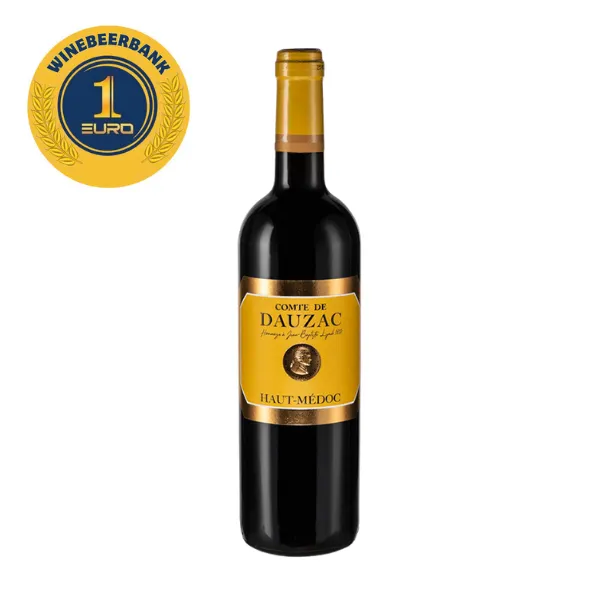
Soft cheeses (Brie, Camembert, Burrata, fresh goat cheese) need acidity and low tannin. French Sauvignon Blanc or dry Riesling—unoaked, mineral-driven—work best; their brightness contrasts creamy fat. Dry sparkling wines (Chablis-method or Champagne-region styles) add texture without weight. Light reds (young Pinot Noir, Grenache Rosé, Bardolino) suit bloomy-rind cheeses if kept cool and served young. Avoid heavily oaked whites (too much vanilla masks the cheese's subtlety) and tannic reds under five years old (they overpower delicate flavors). A rule from our counter: if the cheese is fresh and mild, the wine should be fresh and lean too.
What do hard aged cheeses pair with?
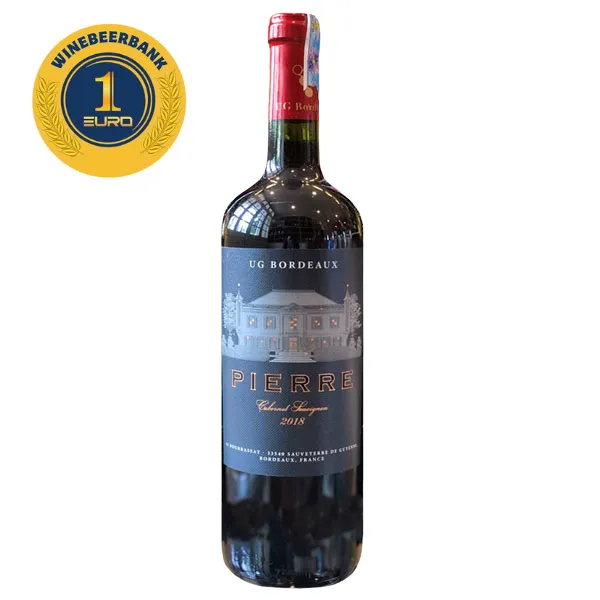
Hard cheeses (Parmigiano-Reggiano, Manchego, Gruyère, aged cheddar) have concentrated salt and umami. They stand up to structured reds with tannin: Italian Barolo, Brunello, or Chianti Classico; French Bordeaux blends or aged Burgundy; or Spanish Tempranillo. The cheese's crystalline texture and nuttiness complement wine's drying grip. Aged hard cheeses also pair with dry, full-bodied whites—rare, but Gruyère with aged Chardonnay or Alsatian Riesling works beautifully. Customers at 1EURO often ask: can I use Spanish wine? Yes—Rioja Reserva (oak-aged, tannic) matches Manchego's caramel notes. Key: the cheese's age should match the wine's age. Young Parmesan (24 months) suits younger reds; aged Parmesan (36+ months) needs more developed, complex wines.
| Cheese Type | Flavor Profile | Best Wine Style | Why It Works | 1EURO Section |
|---|---|---|---|---|
| Soft (Brie, Camembert) | Buttery, mild, creamy | Dry Sauvignon Blanc, Riesling | Acidity cuts fat | French wine |
| Blue (Gorgonzola, Roquefort) | Salty, sharp, spicy | Sweet wine or amber ale | Salt + sweet balance | Imported wine |
| Hard, aged (Parmigiano) | Nutty, salty, umami | Barolo, Chianti, Bordeaux | Tannin matches intensity | Italian wine |
| Semi-hard (Gruyère, Manchego) | Caramel, complex | Rioja, Pinot Noir, aged white | Medium body mirrors texture | Imported wine |
| Washed-rind (Taleggio, Epoisses) | Pungent, meaty, funky | Alsatian Riesling, amber ale | Wine's spice matches funk | Sparkling & white |
💬 Order on WhatsApp +84 984 914 461
How do you pair blue cheese—the hard one?
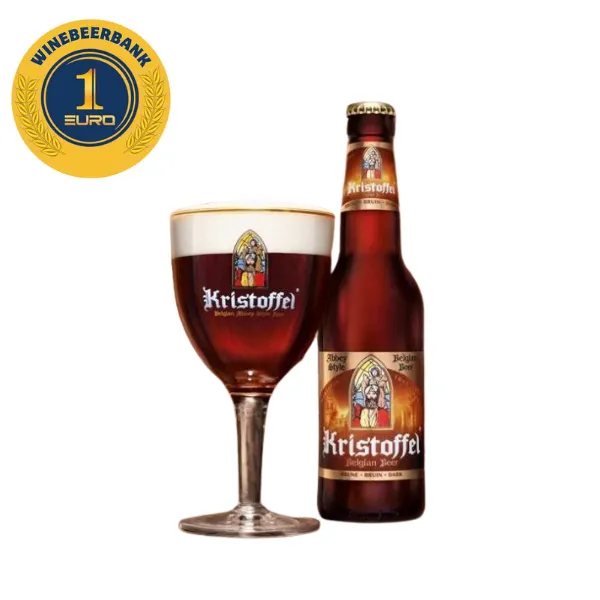
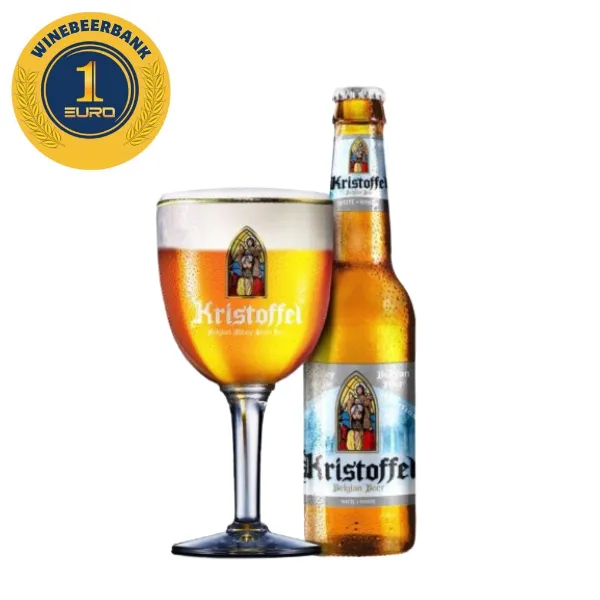
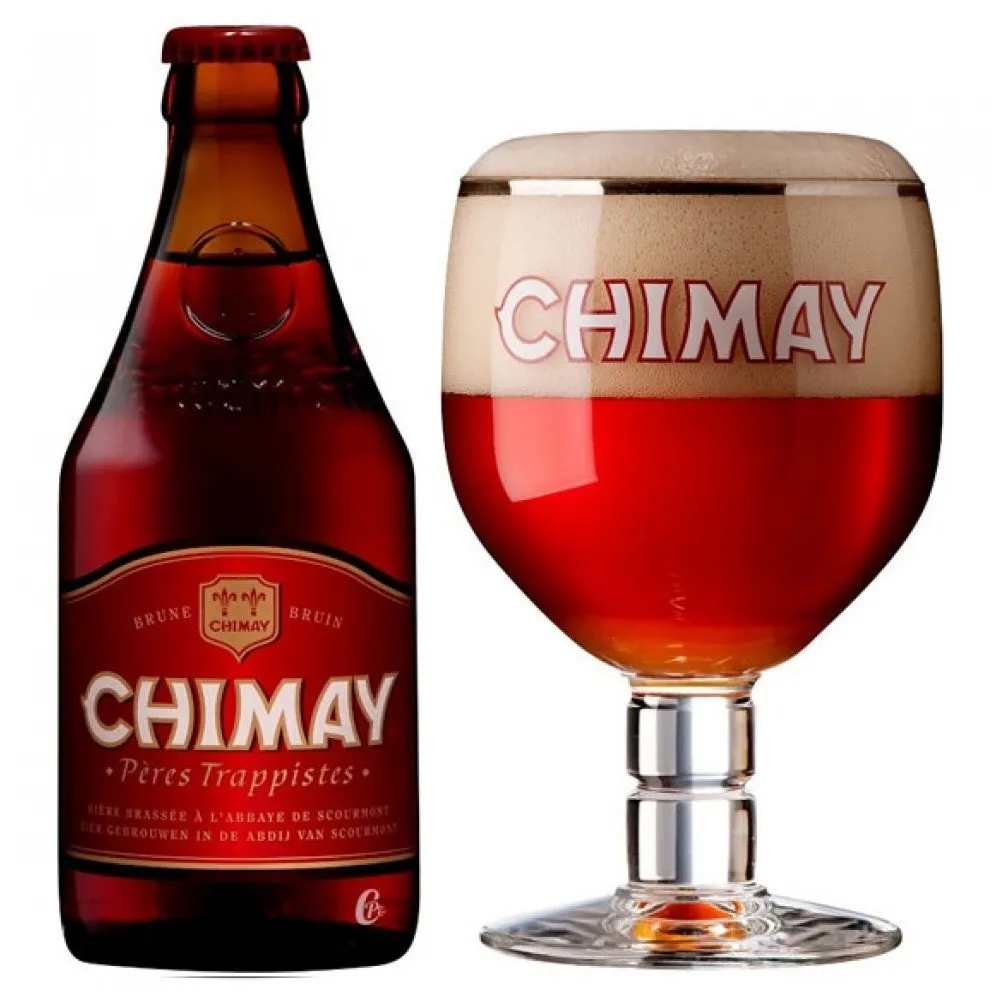
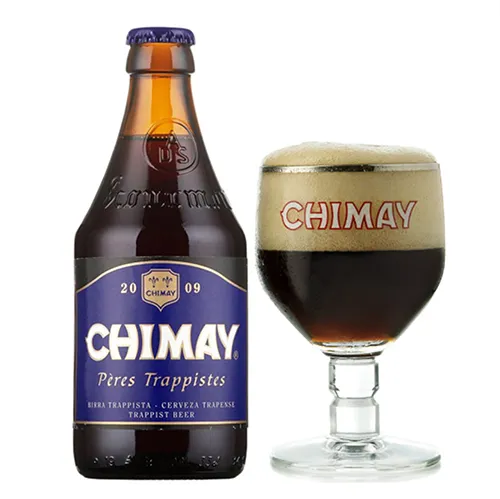
Blue cheese (Gorgonzola, Roquefort, Stilton) breaks the acid-tannin rule because salt and funk demand sweetness. Pair blues with sweet wines (Moscato d'Asti, Sauternes, Tokaji, tawny Port) or medium-body amber ales; the sweetness balances salt and the pungency won't clash. This is counter-intuitive—dry wine tastes bitter against blue's sharpness. At 1EURO, we match Roquefort to tawny Port for clients seeking something richer, or Moscato d'Asti for lighter tastes. Never pair young Cabernet with blue; the tannins amplify the cheese's harshness. A second-best option: robust beers. English ales or Belgian Trappist brews (higher alcohol, subtle sweetness) complement blue cheese's bold character better than many wines. The rule: salt + funk = need sweetness or beer's body.
What if your cheese is from Vietnam or Asia?
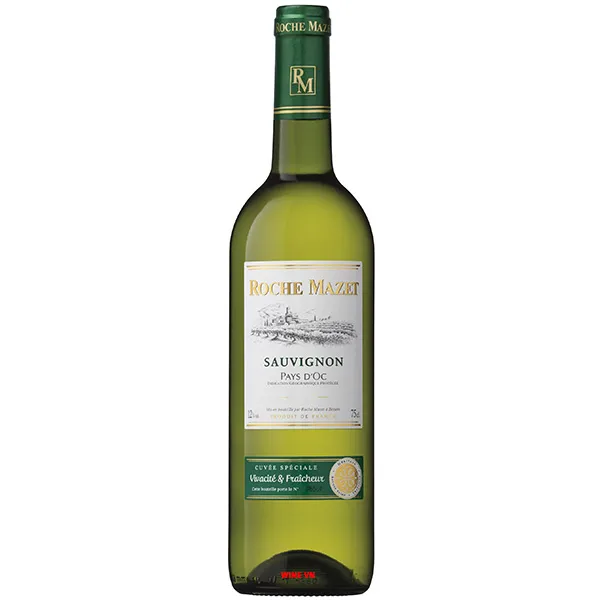
Hanoi markets sell soft cow's-milk cheeses and fresh goat varieties (mild, creamy, sometimes herb-infused). These behave like French soft cheeses: pair with high-acidity white wine or sparkling. Italian Pinot Grigio or Chilean Sauvignon Blanc work well and are stocked in Hanoi. Washed-rind, fermented local cheeses (rare but emerging) pair like European pungent varieties—seek Alsatian Riesling or Belgian ales. Many expats bring imported hard cheeses to Hanoi; for those, use the chart above. 1EURO staff can taste your cheese and match it same-day if you visit Kim Ma (Ba Dinh) or The Manor Central Park (Hoang Mai).
The one mistake that ruins cheese boards.
Serving warm wine with cheese numbs your palate. Soft cheeses want wine at 50–55 °F (10–13 °C); hard cheeses, at 55–60 °F (13–16 °C). Room temperature (Hanoi = 77–86 °F / 25–30 °C) destroys the pairing—flavors blur, acidity disappears. Second mistake: overloading the board. Limit to three cheeses per tasting; palate fatigue after four bites means wine notes vanish. Third: serving dessert wine before cheese—its sweetness deadens your tongue, so cheese tastes bland. Start with dry, work to sweet. Customers report better results at 1EURO when they chill wine in an ice bucket for two hours before serving.
What to check before you buy.
- Cheese origin and age. Soft = <30 days; semi-hard = 2–12 months; hard = 12+ months. Match wine age accordingly.
- Wine's acidity (pH) and alcohol. Ask staff: Sauvignon Blanc (high acidity, 11–13% ABV) suits most cheeses; Chardonnay (variable acidity, 12–14% ABV) risky unless unoaked.
- Your taste. Prefer softer finishes? Go for light reds or sparkling. Like structure? Hard cheeses + Barolo. Unsure? Start with Riesling or Pinot Noir—forgiving with most cheeses.
- Tasting notes on the bottle. Words like "crisp," "mineral," "zesty" signal high acidity—good for cheese. Words like "smooth," "buttery," "lush" signal low acidity—risky.
- Storage at home. Wine kept cool (50–65 °F / 10–18 °C) and cheese in a sealed container (50–60 °F / 10–15 °C) last longer together.
Hanoi's humidity and heat mean cheese deteriorates fast. 1EURO staff advise: buy cheese no more than 3 days before serving. Wine stays stable longer if stored in a cool cupboard away from windows.
How 1EURO helps you get it right.
1EURO stocks imported wine from France, Italy, Chile, Germany in Hanoi—each chosen for versatility with cheese. At Kim Ma or The Manor, describe your cheese (type, age, origin, flavor: salty, creamy, nutty) and staff will narrow choices using acidity, tannin and body, not guesswork. WhatsApp orders include tasting notes—you'll know why we paired that wine before opening. Our 30-day smile guarantee means if the pairing doesn't work, exchange it. Expats report the biggest win: tasting three wines against one cheese, then buying the winner. This costs time, not extra money, and teaches your palate.
💬 Order on WhatsApp +84 984 914 461
FAQ
Can I use the same wine for all cheeses on a board?
Avoid it. A dry white works for soft cheeses but tastes thin with hard varieties. If you must pick one, choose Riesling or Pinot Noir—their balance of acidity and body bridges soft and hard. Better: buy three wines, each for one cheese, and enjoy the comparison.
Is expensive wine always better with cheese?
No. A €10 Sauvignon Blanc with camembert often outperforms a €50 oaked Chardonnay. Pairing success depends on acidity and tannin profile, not price. 1EURO's price list shows excellent mid-range wines that pair beautifully with cheese.
What's the difference between "dry" and "sweet" wine on the label?
Dry wine has minimal residual sugar (under 4g/L); you taste acidity and tannin first. Sweet wine has 20g/L or more; sweetness dominates. For cheese: dry suits most; sweet works only with blue cheese, pungent washed-rind, or dessert cheese boards.
Can I pair beer with cheese instead of wine?
Yes. Amber ales, IPAs, and Belgian Trappists pair with hard cheeses and blues. Beer's carbonation and body work like wine's acidity. For soft cheeses, light lagers or wheat beers are gentler. 1EURO stocks imported beer curated for food pairing—staff can suggest pairings alongside wine.
How long do opened wine and cheese last in Hanoi heat?
Wine: 3–5 days if resealed and kept cool. Cheese: 3–5 days in a sealed container in the fridge (set to 50–60 °F / 10–15 °C if possible). Hanoi's humidity accelerates spoilage; buy fresh, serve fresh.
What if I hate tannins?
Avoid pairing hard cheeses with young, tannic reds (Cabernet under 5 years, Amarone, Barolo under 10 years). Instead, use aged, silky reds (older Pinot Noir, Grenache, Rioja Reserva) or skip red entirely and use white wine or sparkling. Staff at 1EURO can identify low-tannin reds on request.