Best Red Wine in Hanoi: What to Buy at 1EURO
At 1EURO (Kim Ma – Ba Dinh and The Manor Central Park – Hoang Mai), red wine selection spans French Burgundy and Bordeaux blends, Italian Nebbiolo and Chianti, Spanish Rioja, and Chilean Cabernet Sauvignon and Carmenère—roughly 80–100 reds from our current quote to our current quote per bottle depending on region and vintage. Best red wine in Hanoi isn't a single bottle; it's the one matching your food (grilled meat needs tannin; fish needs lighter Pinot Noir), your budget, and how long you store it (cool, dark place, bottle on its side). Walk in to taste guidance or order via WhatsApp +84 984 914 461 with delivery inside Hanoi. Avoid buying by label alone—know the grape, region, and alcohol level (13–15% ABV is typical) before checkout.
Which red wine suits your Hanoi dinner table?
Red wine choice depends on what you're eating, not just price. Vietnamese grilled meat (thịt nướng) pairs well with Bordeaux blends (Cabernet Sauvignon–Merlot mix) because their tannins cut fat and smoke. Pho and soup call for lighter reds—Pinot Noir or Grenache—that won't overwhelm delicate broth. Imported steak needs full-bodied Cabernet or Syrah. At 1EURO, staff in both shops can walk you through food-pairing rules without pushing premium bottles; the fit matters more than the price tag. Ask yourself: meat or vegetable focus? How rich is the sauce? How spicy? Your answer narrows the list to 3–5 real choices, not 40.
What's the difference between French, Italian, and Chilean red wines?
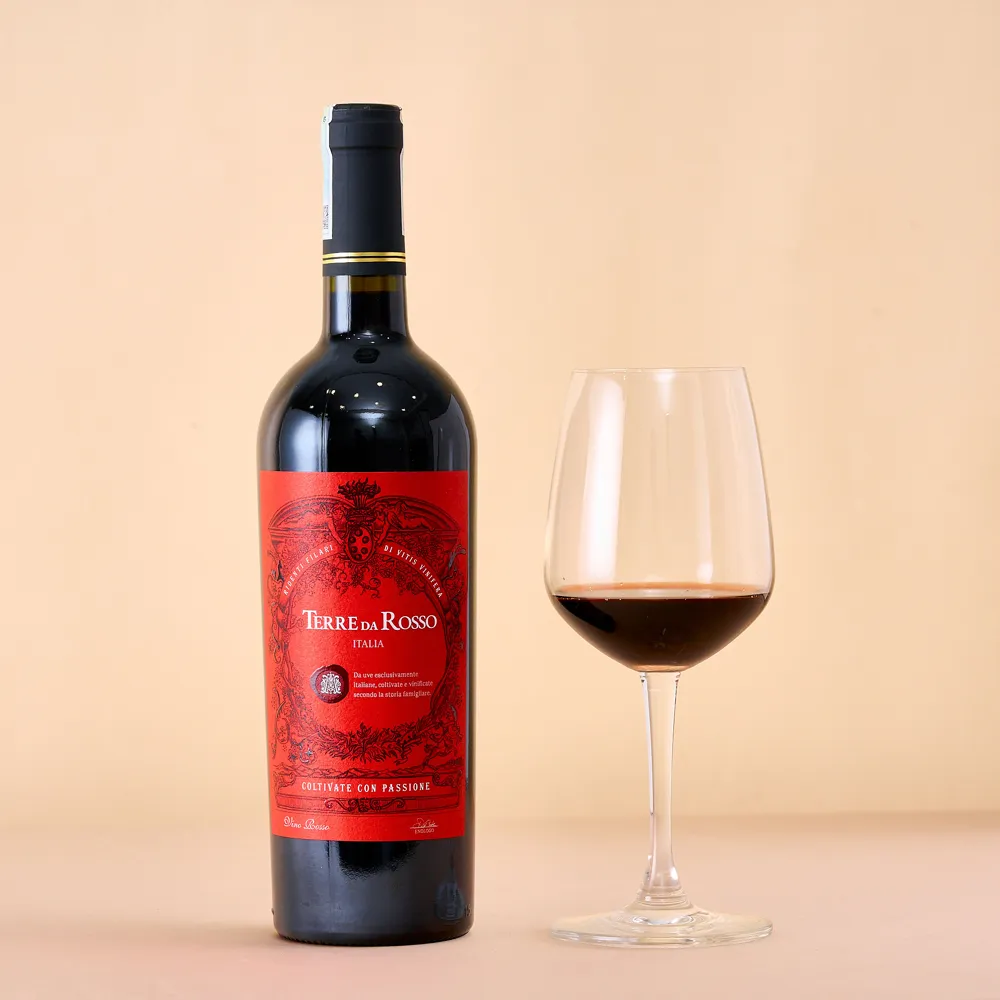
French wine focuses on place over fruit—Bordeaux reds (left bank: Cabernet–Merlot; right bank: Merlot–Cabernet Franc) age 10–30 years; Burgundy Pinot Noir is elegant, earthy, pairs with duck and mushroom dishes. Italian wine emphasizes terroir and acid: Nebbiolo (Alba, Barolo) is full-bodied, peppery, suits grilled beef; Chianti Classico (Tuscany) is mid-weight, mineral, works with aged cheese and roasted meats. Chilean wine is fruit-forward and generous: Cabernet Sauvignon and Carmenère are ripe, juicy, lower-price entry points, ideal for beginners or casual dinners. None is "best"—each suits different occasions. 1EURO stocks all three; choose by your dish, not by region hype.
| Style | Who It's For | Key Grape(s) | Best With |
|---|---|---|---|
| French Bordeaux | Reds collector, special occasion | Cabernet Sauvignon, Merlot | Steak, aged beef, charcuterie |
| French Burgundy | Pinot Noir fan, duck lover | Pinot Noir | Duck, mushroom soup, delicate roasts |
| Italian Nebbiolo | Bold-tannin seeker | Nebbiolo | Grilled beef, truffles, hard cheese |
| Italian Chianti | Everyday drinker, pizza night | Sangiovese | Tomato-based meat dishes, aged cheese |
| Spanish Rioja | Smooth traditionalist | Tempranillo | Tapas, roasted vegetables, jamón |
| Chilean Cabernet | Budget-conscious, fruit lover | Cabernet Sauvignon | Casual grilled meat, burger |
| Chilean Carmenère | Curious explorer, South America fan | Carmenère | BBQ, pepper-spiced dishes, roasted meats |
How do I know if a red wine is ready to drink or needs cellaring?
Young reds (under 3 years old) taste harsh and tannic—they need air or aging. Older reds (5+ years) from classic regions (Bordeaux, Burgundy, Barolo) are softer, rounder, ready now. Look at the vintage on the label: a 2020 Bordeaux is still tight; a 2015 Bordeaux is approachable; a 2010 is mature. At 1EURO, bottle placement reflects drinkability—staff can tell you which are cellaring candidates (store upright in a cool place for 5–10 years) and which are drink-now styles. Spanish and Chilean reds are almost always ready to drink within 1–3 years. French classics benefit from patience. If you lack cool, dark storage, pick wines under 5 years old or from fruit-forward regions (Chile, some Italian).
💬 Order on WhatsApp +84 984 914 461 | 📋 See the price list
What common mistakes should I avoid when buying red wine in Hanoi?
Mistake 1: Buying by label or award stickers alone. A medal doesn't tell you taste or food fit. Ask the shop staff what the wine tastes like and what it pairs with. Mistake 2: Choosing a heavy Cabernet for light dishes. Full-bodied reds overshadow pho, fresh rolls, or fish. Match tannin and body to your plate. Mistake 3: Storing bottles upright in Hanoi heat. Cork dries out; wine oxidizes. Keep reds on their side in a cool corner (not a windowsill) or use a wine fridge. Mistake 4: Ignoring the alcohol level. Hanoi humidity and heat mean 15%+ ABV wines feel heavier; 12.5–13.5% ABV is often fresher and easier for long meals. Mistake 5: Not tasting before committing to a case. Buy one bottle first. If you love it, order more via WhatsApp. 1EURO's 30-day guarantee protects you if the wine doesn't match expectations.
Should I buy red wine online or visit the Hanoi shop?
Visit 1EURO's two Hanoi locations (Kim Ma – Ba Dinh or The Manor Central Park – Hoang Mai) if you want to taste, ask live questions, or need the bottle today. Staff can demo serving temperature, glassware choice, and opening technique. Order via WhatsApp +84 984 914 461 if you prefer convenience, already know what you want, or need delivery. Online orders ship within Hanoi in 1–2 days (free delivery inside the city); full descriptions and vintage info are listed on product pages. Both methods are backed by 1EURO's guarantee. Expats and travelers often call ahead (WhatsApp) to pre-select wines, then pick up same-day or have them sent to a hotel.
How do I choose between entry-level and premium red wines?
Entry-level reds (under our current quote per bottle, per the price list) are often Chilean Cabernet Sauvignon or Italian Chianti—great for everyday drinking, learning your taste, or casual dinners. Premium reds (our current quote–our current quote+, per the price list) from classic French or Italian regions offer complexity, age-ability, and special-occasion appeal. Neither is objectively "best"; it depends on your budget, occasion, and palate maturity. A beginner should start with 2–3 entry-level bottles across different regions (one French, one Italian, one Chilean) to discover preferences. Then step up. At 1EURO, staff recommend this pyramid approach rather than one expensive bottle. Check the price list to see current stock and value comparisons across regions.
📋 See the price list | 📍 Visit a 1EURO store
What to check before you order red wine in Hanoi
- Vintage: Ensure it matches the drink-now or cellaring timeline you want.
- Alcohol level: 12.5–14% ABV is safer in Hanoi's heat; avoid 15%+ unless you like bold wines.
- Food pairing: State your planned dish (or ask staff) to match tannin and body.
- Storage: Do you have a cool, dark place? If not, buy drink-now styles (Chilean, young Italian).
- Bottle condition: When it arrives, check for leaks, cork issues, or heat damage (high shoulder fill, brownish color inside glass). 1EURO's 30-day guarantee covers these.
- Glassware: Reds taste better in tall, tulip-shaped glasses; ask staff for options if needed.
- Serving temp: Most reds taste best at 15–18°C (room temperature in Hanoi autumn, slightly chilled in summer). White fridges are too cold; a wine fridge is ideal.
Explore 1EURO's full red wine collection to browse by region, price, and type. Order today on WhatsApp or walk in.
💬 Order on WhatsApp +84 984 914 461
Pages from our team you may need
FAQ
What red wine from 1EURO pairs best with Vietnamese grilled meat?
Bordeaux blends (Cabernet Sauvignon–Merlot) cut the fat and smokiness of thịt nướng. Spanish Tempranillo (Rioja) and Chilean Carmenère also work well. Ask staff to taste a sample before buying; what works depends on the marinade and cooking method.
How long does delivery take when I order red wine on WhatsApp in Hanoi?
Delivery inside Hanoi typically arrives in 1–2 days. Place your order with a photo or product name. Payment is confirmed via bank transfer or card. 1EURO guarantees free delivery over order minimums (see price list).
Can I return a red wine if I don't like it after opening?
1EURO offers a 30-day smile guarantee on unopened bottles and sealed cases. Opened bottles depend on defects (cork, oxidation, leaks). Contact WhatsApp +84 984 914 461 with photos if there's an issue.
What's the best red wine for someone new to wine in Hanoi?
Start with Chilean Cabernet Sauvignon or Italian Chianti Classico—both are fruit-forward, forgiving, and affordable (entry-level range). They help you learn your taste without pressure. Visit 1EURO's Kim Ma or The Manor shop for guidance.
Do red wines from 1EURO need decanting before serving?
Young, full-bodied reds (French Bordeaux, Italian Barolo, Spanish Rioja) benefit from 30–60 minutes in a decanter to soften tannins and release aroma. Lighter reds (Pinot Noir, Chianti) can pour straight to glass. Staff can advise based on your bottle.
How should I store red wine after buying it at 1EURO?
Keep bottles on their side in a cool (10–15°C), dark place away from light and heat. Hanoi humidity is high; avoid windowsills and direct sun. If you lack proper storage, buy drink-now styles and finish within 6–12 months.
Which 1EURO red wine is best value for money?
Chilean Cabernet Sauvignon and Spanish Rioja offer excellent quality-to-price ratio at entry-level prices. Italian Chianti Classico is also reliable. Avoid buying by "best value"—choose by food and occasion fit; value follows.