Best Japanese Beer in Hanoi: Which Style to Order Now
Japanese beer in Hanoi splits into three practical categories: clean, dry lagers (best for hot weather and seafood); fruit-forward ales and wheat beers (work with desserts and lighter meals); and premium sessionables (low ABV, high drinkability). 1EURO at Kim Ma and The Manor Central Park stocks genuine Japanese imports year-round. Most arrive in 330 ml or 500 ml bottles; serve between 4–8°C depending on type. Unlike mass-market domestic options, Japanese imports emphasize brewing precision and ingredient traceability. Before ordering, confirm bottle size on the price list and check delivery eligibility to your Hanoi address via WhatsApp. Avoid confusing beer exported from Japan with true Japanese-style; source matters for freshness and authenticity.
Japanese beer culture emphasizes clarity, balance, and respect for ingredient quality—traits that set imports apart in Hanoi's crowded market. Most Japanese breweries date back decades and use controlled fermentation to achieve consistent, subtle flavor profiles rather than bold statements. This guide walks you through real options, who each suits, and how to order without guesswork.
What makes Japanese beer different from other Asian styles?
Japanese breweries prioritize precision engineering over experimentation. Water purity, yeast strain control, and malt sourcing follow strict protocols. Compared to Belgian ales or German wheat beers, Japanese lagers stay drier, crisper, and less fruity—they're built to refresh, not impress through flavor complexity. ABV typically ranges 4.5–5.5% for core lagers. This restraint makes Japanese beer the default choice for Hanoi's heat: you can drink more without fatigue. The trade-off is subtlety—if you crave bold hops or roasted malt, you'll find more in European styles. For seafood and rice-forward meals, Japanese precision beats experimentation every time.
Which Japanese beer style suits hot-weather drinking in Hanoi?
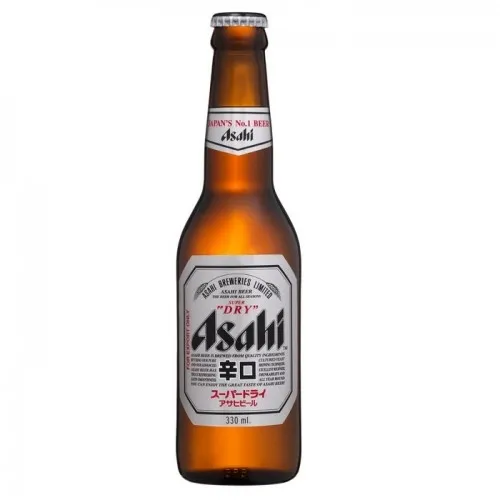
Clean, dry lagers dominate the import shelf because they are engineered for exactly this climate. Look for beers labeled "pilsner-style" or simply listed as "lager"—carbonation stays brisk even after a few sips, bitterness never builds. Serve at 4–5°C; above 8°C, the delicate balance flattens. Avoid beers stored in direct sunlight at the shop (ask staff when stock arrived). Pair these with grilled fish, shrimp, or fresh spring rolls—the crisp finish cuts through richness and leaves your mouth clean for the next bite. A 330 ml bottle fits a lunch hour; 500 ml suits evening meals when you're slower-paced.
💬 Order on WhatsApp +84 984 914 461
How do you choose between Japanese lager, ale, and wheat beer?
Use this framework before you order:
| Beer Type | ABV | Best For | Food Pairing | Heat-Friendly? |
|---|---|---|---|---|
| Lager (dry) | 4.5–5.2% | Lunch, heat, seafood | Grilled fish, shrimp | Yes—top choice |
| Ale (fruit notes) | 5–6% | Dessert, evening, fruit | Mango, banana, light pastry | Medium—chill well |
| Wheat beer | 4.8–5.5% | Breakfast, spice | Pho broth (cool first), curry | Medium—best chilled |
Lagers suit Hanoi's climate and meal rhythm. Ales demand slower sipping and pair with sweet or acidic sides. Wheat beers bridge both if you enjoy breadiness without heaviness. Check the price list for exact ABV before you buy—it signals flavor intensity and body.
What size and format should you order for your occasion?
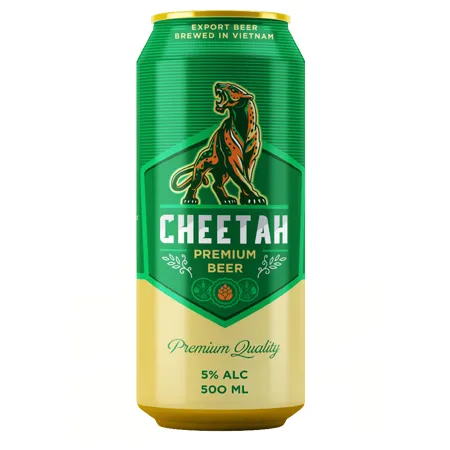
1EURO stocks 330 ml single bottles (perfect for a solo meal or test-before-bulk) and 500 ml singles (better value for group dinners). Multipacks rarely appear in Japanese imports because turnover is steady enough to justify single-bottle shelf space. 330 ml is standard in Japan; 500 ml is European convention but increasingly common in Hanoi. Delivery inside Hanoi takes 5–10 business days; order by WhatsApp with a photo of your address to confirm postcode and vehicle access. A 500 ml bottle chilled to 4°C lasts about 45 minutes in Hanoi heat before losing carbonation edge—plan your timing accordingly.
📋 See the price list
What mistakes do first-time Japanese beer buyers make in Hanoi?
Confusing pasteurized imports with fresh-brewed copies. Japanese beer exported to Southeast Asia is pasteurized for shelf stability but still fresher than local facsimiles. Ask the shop when the batch arrived; if unsure, order direct via WhatsApp.
Serving too cold. Below 3°C, subtlety dies—you taste only numbing. Aim for 4–6°C for lagers, 6–8°C for ales.
Pairing with wrong dishes. Japanese lager fights sweetness; avoid sugary sauces or desserts first. Lead with savory, finish with the beer.
Buying without checking glass options. Japanese imports sit in standard 330 ml bottles, not tulips or chalices; you need a chilled pint glass or tumbler. Hanoi bars often skip this detail.
Ordering large quantities in advance. Carbonation fades after 3 weeks open-shelf; visit one of our stores or order weekly via WhatsApp instead of bulk.
📍 Visit a 1EURO store
How does Japanese beer fit into Hanoi's broader import landscape?
Japanese imports occupy a niche between mass-market Asian lagers and premium European craft styles. They're more expensive than domestic beer but far cheaper than Belgian lambics or aged German doppelbocks. If you're building a rotation—beer for weeknight meals, wine for dates, spirits for gatherings—Japanese lager is the workhorse. It never embarrasses you, pairs with any savory meal, and suits solo or group drinking. See the Asian beer collection to compare Japanese offerings with Thai, Korean, and other regional styles. Many expats cycle between two or three Japanese brands across a month, treating each as a reliable baseline rather than an event purchase.
Decision checklist before ordering
- [ ] Confirm bottle size (330 ml or 500 ml) on the price list.
- [ ] Check ABV on the label—below 5% for heat, above 5.5% for richness.
- [ ] Verify delivery address postcode and access via WhatsApp photo.
- [ ] Plan serving temperature (4–6°C) and glassware (pint or tumbler).
- [ ] Pair with a specific meal—don't buy solo or as experiment.
- [ ] Ask staff when stock arrived; avoid bottles older than 6 weeks.
FAQ
Can I buy Japanese beer at 1EURO's Hanoi shops without ordering online?
Yes. Both Kim Ma and The Manor Central Park stock Japanese imports on the shelf; walk in during business hours to see current stock. WhatsApp +84 984 914 461 for availability before you visit, especially for specific brands or sizes.
How should I serve Japanese beer at home in Hanoi?
Chill to 4–6°C (a standard Hanoi fridge works fine). Pour into a clean pint glass or tumbler. Drink within 45 minutes in hot weather to preserve carbonation. Avoid ice; it dilutes flavor.
What's the difference between Japanese lager and German pilsner?
Japanese lagers are drier, crisper, and less hoppy. German pilsners show more floral hop character and slight sweetness. For Hanoi's heat, Japanese wins; for food pairing with roasted meats, German is better.
Do Japanese beers pair with Vietnamese food?
Excellent pairing: crisp lagers complement seafood, pho broth (cool the beer first), grilled meats, and spring rolls. Avoid pairing with overly sweet or spicy sauces; the delicate flavor washes out.
How long do imported Japanese beers last once delivered to Hanoi?
Pasteurized imports stay fresh 6–8 weeks unopened if stored at 15–20°C away from sunlight. Once opened, consume within 1–2 hours in hot weather. Refrigerator life (if sealed) is 3 months.
What if a Japanese beer I ordered arrives flat or damaged?
Contact 1EURO via WhatsApp with a photo within 7 days. We honor a 30-day smile guarantee on imports; defective bottles are replaced or refunded.