Best Italian Wine in Hanoi: Choose by Grape, Region & Occasion
Choosing Italian wine in Hanoi starts with understanding your own palate: light, crisp whites for heat and seafood; medium reds for pho and grilled meat; full-bodied reds for cheese and game. 1EURO's two Hanoi shops (Kim Ma–Ba Dinh and The Manor Central Park–Hoang Mai) stock over 60 Italian wines imported directly—Piedmont, Tuscany, Veneto, Sicily—all stored at proper temperature and packed for tropical conditions. Order via WhatsApp +84 984 914 461 or visit in person to taste before buying. Most arrive within 2–3 days for city delivery. Avoid ordering based on label alone: region, vintage year, and food pairing matter far more than brand name. We advise new buyers to start with one bottle under two dollars to test it at home, then order by the case if it suits your meals.
Which Italian wine region fits Hanoi's climate and food?
Hanoi's heat and humidity favor wines with bright acidity and low cork-taint risk. Veneto (northeastern Italy) produces Pinot Grigio and Prosecco—fresh, mineral, drunk young—ideal for summer and seafood. Tuscany's Chianti offers mid-weight red that pairs with pho and beef without overwhelming. Sicily and southern regions yield ripe, warming wines suited to spice and grilled fish. Alpine regions (Trentino, South Tyrol) are cooler-climate styles—mineral, linear—that stand up to air-conditioning and Western cheeses. Each region's bottle is designed for different meals: match the food first, then the place.
💬 Order on WhatsApp +84 984 914 461
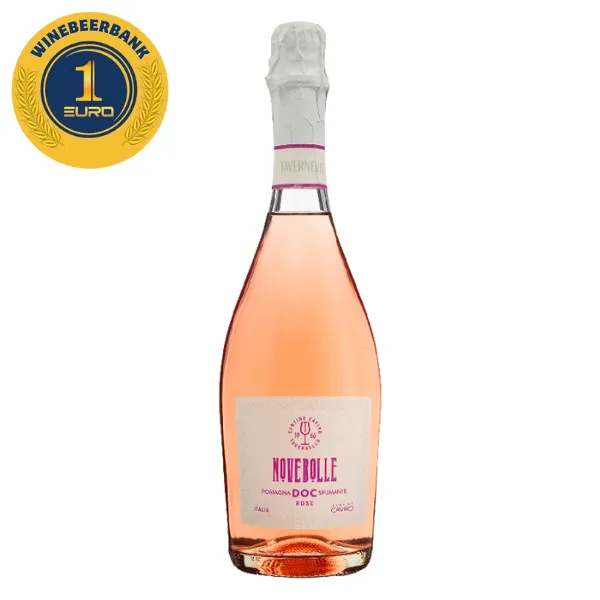
What's the difference between Prosecco, Pinot Grigio, and Vermentino for white-wine newcomers?
Prosecco (Veneto): sparkling, lower alcohol, fruity—party and appetizer wine. Pinot Grigio (Veneto, Friuli): still, crisp, mineral, bone-dry—pairs with fish, pasta light oil. Vermentino (Sardinia, Sicily): stone-fruit, salinity, slightly fuller—works with grilled seafood and white sauce. All three are drunk young (within 2–3 years of vintage). In Hanoi, Pinot Grigio remains the safest entry point: food-friendly, stores well in our climate-controlled shops, and rarely oxidizes. Prosecco works for gifts and Sunday brunches. Vermentino suits diners who've tasted Pinot Grigio and want more body. Sparkling wine is a separate collection if you want bubbles year-round.
How do Italian reds differ—Chianti, Barolo, Brunello, Montepulciano?
| Red Style | Region | Tannin Level | Food Match | Who It's For |
|---|---|---|---|---|
| Chianti | Tuscany | Medium | Pho, beef, tomato sauce | Regulars, safe choice |
| Barolo | Piedmont | High, long-lived | Game, aged cheese, steak | Collectors, special meals |
| Brunello | Tuscany | High, elegant | Lamb, risotto, mushroom | Serious drinkers |
| Montepulciano | Central Italy | Medium | Grilled meat, pasta red | Budget, approachable |
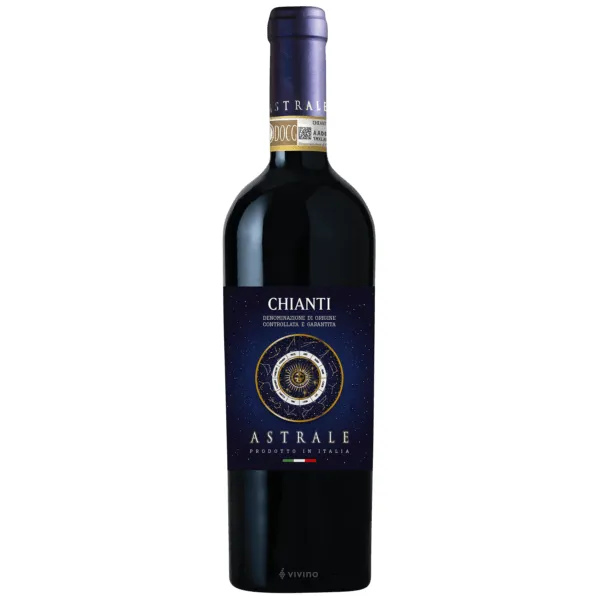
Chianti DOCG is Tuscany's backbone—food-first wine, not a trophy. Barolo demands time (often 10+ years after vintage) and pairs with rich, heavy food. Brunello sits between: complex, structured, fewer casual food pairings. Montepulciano is lighter, earlier-drinking, and cheaper per bottle. In Hanoi, we see expats start with Chianti (familiar, food-flexible) and upgrade to Barolo or Brunello after two or three tastings. Store all reds upright in a cool corner away from sun; avoid humidity spikes near air-conditioning vents.
Which bottle size and vintage year should I order?
Standard bottle is 750 ml—the workhorse for households and restaurants. 1EURO stocks 750 ml formats; larger formats (1.5 L, 3 L) are special-order only. Vintage matters: Italian wines are typically drunk 3–10 years after harvest. Order current or one-year-back vintages unless you're buying Barolo or Brunello for cellaring—those improve 15+ years. Younger vintages (last three years) cost less but may taste tight; older stocks (5+ years back) are at full maturity. Our price list shows vintage year per bottle; always check before ordering. For Hanoi's climate, avoid bottles older than seven years unless stored professionally by the producer or us—heat and movement degrade even great wines.
How do I order Italian wine from 1EURO and avoid shipping mistakes?
Order via WhatsApp +84 984 914 461 with a photo or name; our team confirms availability, packing method, and delivery date (typically 2–3 days in Hanoi). Specify your address and preferred delivery time. We pack bottles upright with cardboard dividers and bubble wrap—critical in tropical humidity. Payment is confirmed before we ship; 30-day smile guarantee covers defects (corked, leaking, oxidized). Never order sight-unseen if you've never tasted the style: text first and ask for tasting notes or visit a shop to sample. Bulk orders (6+ bottles) qualify for case discounts shown on the price list. Cold-chain is standard within Hanoi; external provinces add 5–10 days.
What to Check Before You Buy
- Vintage year: confirmed with seller before payment.
- Storage history: ask if bottle is from air-conditioned storage (shop condition, not sun or heat).
- Your food plan: match wine to your next meal, not a list.
- Tasting notes: request them for unfamiliar producers.
- Return window: confirm the 30-day guarantee covers your purchase.
- Glass type: ask about serving glass (tulip for Chianti, larger bowl for Barolo) when you order.
💬 Order on WhatsApp +84 984 914 461 | 📍 Visit a 1EURO store
Comparison: Where to Buy Italian Wine in Hanoi
1EURO (two locations) stocks 60+ Italian wines, verified storage, home delivery, WhatsApp ordering. Other wine shops in Hanoi often rotate stock, unclear origin, and no cold-chain guarantee. Supermarkets (Vinmart, Saigon Co-op) carry 10–15 Italian bottles at markup; no tasting advice. Online-only retailers lack in-person verification and longer shipping. For expats and travelers, 1EURO's imported wine in Hanoi offers the fastest, most transparent path from order to glass.
📋 See the price list
Next Steps: Build Your Italian Wine Rotation
First bottle (under two dollars): Pinot Grigio or Chianti—test your palate at home. Second order (two–three bottles): mix a white (Vermentino) and a red (Montepulciano) based on your first meal results. Third order (case or mixed six-pack): add Prosecco for guests, one Barolo for aging, one Brunello for a special dinner.
Visit Italian wine at 1EURO or text WhatsApp +84 984 914 461 with your food habits—our staff will match bottles to your table before you pay.
Pages from our team you may need
FAQ
Can I store Italian wine in a Hanoi apartment without a wine fridge?
Yes, if you keep bottles in a cool, dark corner away from air-con vents and direct sun—ideally under 18°C (64°F). Lay bottles sideways if storing more than one month. Humidity above 75% risks label damage but not wine quality. For wines older than three years, ask 1EURO about professional storage options.
What's the difference between DOCG, DOC, and IGT on Italian bottle labels?
DOCG (highest) = strict region, grape, aging rules; DOC = controlled origin; IGT = broader, more experimental. DOCG often costs more but guarantees tradition. For newcomers, DOCG Chianti and DOC Pinot Grigio are safe; IGT bottles let producers bend rules and sometimes offer better value.
How long does Italian wine last once opened?
White wine (Pinot Grigio, Vermentino) stays fresh 3–5 days in the fridge with a cork or stopper. Red wine (Chianti, Montepulciano) lasts 5–7 days. Barolo and Brunello improve the first day after opening, then decline slowly over one week. Always reseal with the original cork or a vacuum stopper.
Is Italian wine cheaper than French wine in Hanoi?
Often yes, per our price list. Italian mid-range bottles (Chianti DOCG, Barbera, Montepulciano) typically cost 30–50% less than French equivalents (Bordeaux, Burgundy) for the same quality level. This is why Italian wine is popular with Hanoi expats on a regular budget.
Can I order a mixed case (some red, some white, some sparkling)?
Yes. Text a list via WhatsApp +84 984 914 461 with quantities and styles; we pack and deliver as one order. Mixed cases often qualify for discounts shown on the price list. Minimum is usually 6 bottles.
What's the best Italian wine to pair with pho?
Light red Chianti or Montepulciano works best—acidity cuts through broth and beef, tannins don't overpower delicate noodles. Pinot Noir from other regions also pairs well. Avoid full-bodied reds (Barolo, Brunello) with pho; they clash with the broth's warmth.