Best Beer with Vietnamese Food: A Hanoi Shop Guide
Vietnamese food—pho, banh mi, spring rolls, grilled seafood—pairs best with beers that cut fat and complement spice without overpowering delicate flavors. Light lagers, crisp pilsners, and wheat beers work across most dishes; hop-forward ales suit grilled meat; Belgian tripels match rich broths. 1EURO stocks 260 imported beers from Germany, Belgium, Czech Republic, and Asia at two Hanoi locations (Kim Ma–Ba Dinh, The Manor Central Park–Hoang Mai). Order on WhatsApp +84 984 914 461 or walk in to taste before buying. Most bottles arrive in 5–10 days if ordered online; visit the shop for immediate picks matching your meal tonight.
Vietnamese cuisine balances sweet, salty, sour, and spicy in nearly every dish. Beer's carbonation, bitterness, and alcohol bridge these flavors, cleansing the palate between bites of fatty pork, rich broth, or chili-soaked sauce. The right beer amplifies the meal without competing; the wrong one either fades or clashes. Understanding five pairing principles—and knowing what's available in Hanoi—saves guesswork and turns a casual drink into a planned part of dinner.
Which beer style pairs with pho?
Pho's delicate broth, tender meat, and aromatic herb bed need a beer that doesn't shout. Light lagers and crisp pilsners are the standard choice because their low bitterness and clean finish won't mask the anise and star anise. Pale lagers from Czech Republic or Germany work especially well; they sit between 4–5% ABV, so they refresh without warming the stomach. Wheat beers add a subtle sweetness that echoes the pho's light sugar note. Skip IPAs and dark stouts—the hops and roasted grain will compete with, not complement, the broth. A Czech pilsner or light lager is the safest opening move for pho.
What beer goes with grilled meat and banh mi?
Grilled pork, chicken, or beef—charred, glazed with caramel and fish sauce—demands a beer with body and enough bitterness to cut through oil. Pale ales and amber lagers deliver this balance. Amber's breadiness echoes the char; pale ale's hop profile contrasts spice without drowning it. Banh mi sandwiches, stuffed with pickled vegetables, cold cuts, and chili mayo, pair well with pilsners or light ales at 5–6% ABV. The acidity of pickles and beer carbonation work as a team. German and Belgian styles both excel here; German brings clean malts, Belgian adds subtle fruit. Avoid heavy stouts—they're too dense for bread and cold cuts.
How do seafood and fried dishes change the pairing?
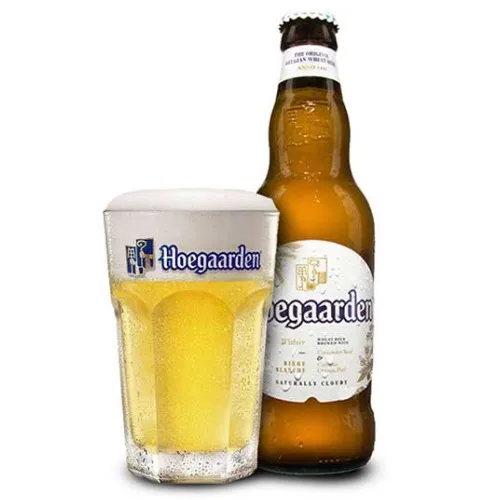
Fried spring rolls, shrimp, and fish cakes introduce fat and textural crunch that benefit from sharp carbonation and acidity. Crisp pilsners and wheat beers are ideal; their brightness cuts fried oil without leaving residue on the palate. Grilled squid or prawns with garlic and chili work with Belgian wheat beers or light ales—the subtle phenolic notes (clove, banana) add complexity without muddying savory spice. Avoid malty browns and stouts; they'll sit heavy after fried food. The rule: higher carbonation, lower ABV (4–5.5%), cleaner finish. A 5% pilsner or wheat beer will refresh you three times more effectively than a 7% amber.
Does spice level change what you order?
Extremely spicy dishes—curry, fiery hot pot, chili-forward dipping sauce—need beer with enough alcohol to soothe capsaicin burn while maintaining carbonation to refresh. 5–6% ABV pilsners or pale ales work; their slight warmth and bitterness balance the heat. Belgian tripels (8–10% ABV) are also excellent—the higher alcohol provides numbing relief, and fruity esters add a pleasant contrast. Very light beers (3.5–4.5%) may feel thin against aggressive spice. Very strong dark ales will make spice feel more intense. The middle ground—5–8% ABV, crisp or moderately hoppy—is the sweet spot. Match spice intensity to beer strength, not the other way around.
How do you choose between styles when you're unsure?
Start with a decision framework: (1) identify the dish's strongest element (fat, spice, sweetness, umami), (2) match that to a beer's dominant trait (carbonation, bitterness, body, fruitiness), (3) check ABV against the meal's heaviness. Below is a quick reference:
| Dish | Strongest Element | Best Beer Style | Why It Works |
|---|---|---|---|
| Pho broth | Delicate, sweet | Light lager, pilsner | Clean finish doesn't mask broth |
| Grilled pork | Fat, char, umami | Pale ale, amber lager | Bitterness + breadiness cuts fat |
| Spring rolls (fried) | Oil, salt, crunch | Wheat beer, crisp pilsner | High carbonation refreshes palate |
| Hot pot, curry | Spice, heat, fat | Belgian tripel, pale ale 5–6% | Alcohol soothes burn, maintains refresh |
| Seafood with dill | Delicate, herbaceous | Pilsner, wheat beer | Floral notes echo herbs |
When in doubt, pick the lightest option on the list—it's harder to go wrong with a 4.5% pilsner than to guess at a 9% abbey ale.
Where do you buy the right beer in Hanoi?
1EURO operates two shops: Kim Ma (Ba Dinh district) and The Manor Central Park (Hoang Mai district). Both stock 260 imported beers—German, Belgian, Czech, Dutch, Spanish, Asian styles—plus wines and spirits. Walk in to browse styles or ask staff for a pairing recommendation matching tonight's dinner. No visit? Order on WhatsApp +84 984 914 461 with delivery inside Hanoi (5–10 days for online orders). Expats and travelers commonly call or message with a photo of the dish or restaurant menu; staff suggest two or three styles within 30 minutes.
💬 Order on WhatsApp +84 984 914 461 | 📋 See the price list | 📍 Visit a 1EURO store
What Tet and gift options pair well?
If you're bringing beer to a Vietnamese dinner or Tet gathering, Tet gift sets are curated for sharing and cooking use. Most include a pilsner, wheat beer, and one specialty style—perfect for a table of mixed preferences. Gift sets arrive in festive packaging; no guesswork on individual bottles. Alternatively, assemble your own trio: one Czech pilsner (everyone drinks it), one wheat beer (vegetarians and light-eaters choose it), one pale ale (meat lovers take it). This approach works from casual dinners to formal Tet celebrations.
How do you avoid common pairing mistakes?
Before you buy, check these four points:
- ABV vs. meal weight: Pho and light dishes = 4–5% ABV; grilled meat and fried food = 5–7% ABV; very spicy = 5–8% ABV. A 10% stout will overwhelm pho; a 3.5% beer will feel thin after banh mi.
- Carbonation level: Vietnamese food needs crisp, lively bubbles. Cask ales and very low-carbonation beers feel flat alongside acidic pickles and spice.
- Bitterness: A 70 IBU (International Bitterness Unit) pale ale cuts fat beautifully; a 100 IBU double IPA will overpower delicate seafood. Ask staff for the IBU if it's not on the label—or stick to pilsners and lagers, which rarely exceed 50 IBU.
- Temperature: Serve beer cold (4–7°C). Vietnamese meals are often served at room temperature or warm; cold beer provides the sharpest contrast and refresh. If your beer warms to 12°C, the pairing dulls.
Ordering wrong once costs a few dollars and a dull meal. These four checks take 90 seconds and guarantee a match.
💬 Order on WhatsApp +84 984 914 461 | 📋 See the price list
Which imported beer regions shine with Vietnamese food?
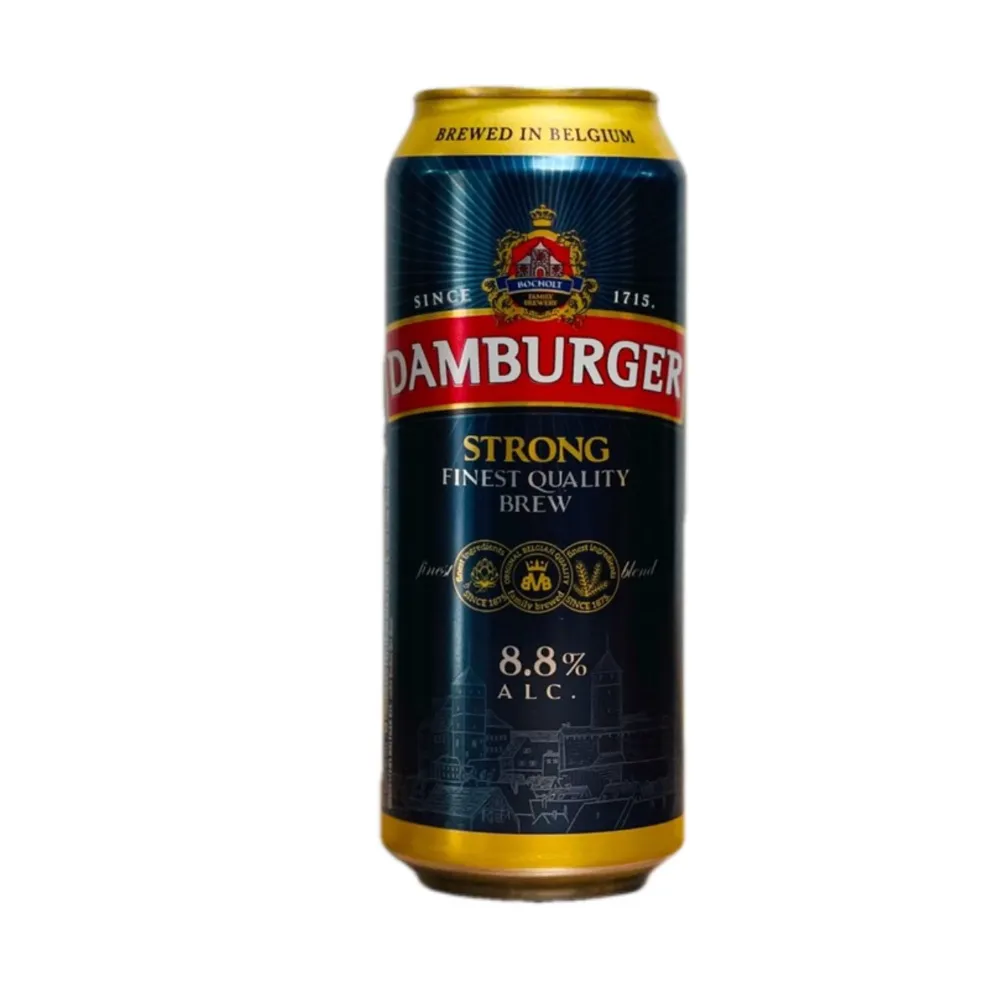
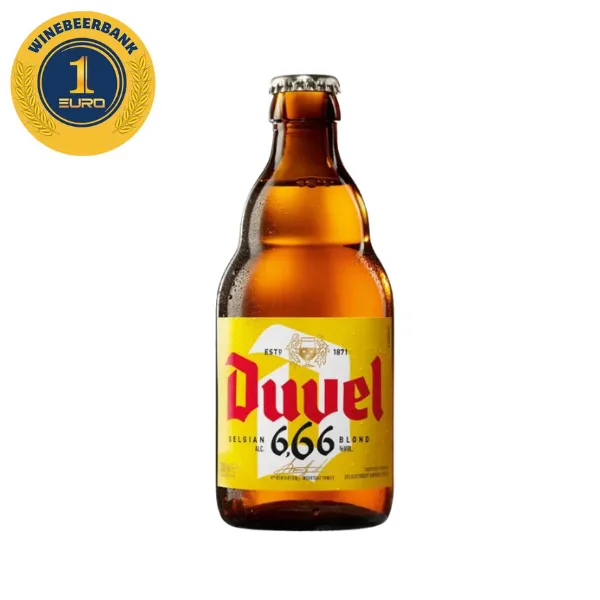
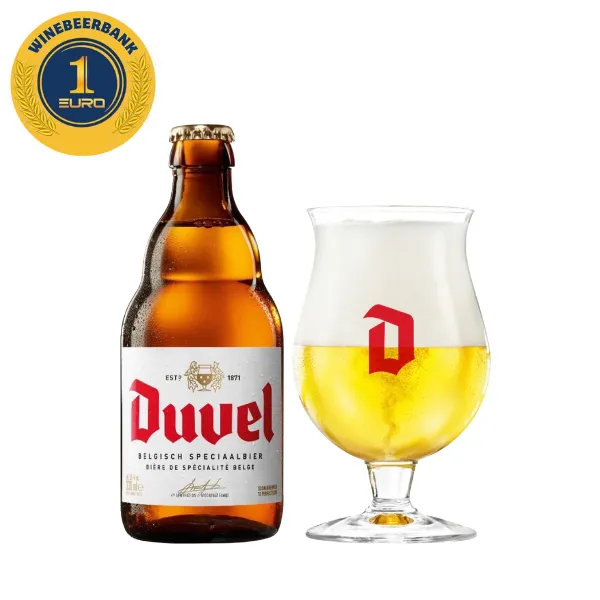
Czech and German beers dominate Vietnamese pairings because pilsner and lager styles align naturally with the cuisine's clean, balanced profile. Belgian beers add complexity for richer dishes—tripels and abbey ales suit pho variations with cream or bone marrow. German wheat beers (Hefeweizen) are beloved with seafood and fried food. Czech pilsners are reliable across all categories. Asian imports (Vietnamese, Thai, Indonesian) are lighter still, sometimes too light for fat-rich meals, but excellent with banh mi and salads. European beers generally offer more flavor complexity; Asian lagers prioritize crispness and clean finish. For a first order, start with German or Czech pilsners, add one Belgian wheat or abbey style, and return to refine based on what worked.
💬 Order on WhatsApp +84 984 914 461
FAQ
Can I pair beer with Vietnamese coffee and dessert?
Avoid it. Coffee's bitterness and beer's bitterness clash harshly. Drink coffee first, then beer 20 minutes later, or skip beer with dessert entirely. If you want an after-dinner drink, imported spirits or sweet wines are better choices.
What's the best beer for a Vietnamese restaurant meal with mixed dishes?
A Czech or German pilsner (4.5–5% ABV) works across pho, spring rolls, grilled meat, and salad. It's the safest universal choice. If the table splits into light and heavy eaters, ask 1EURO staff to suggest two styles so everyone's happy.
Do I need to refrigerate imported beer differently than local brands?
No. Store all beer upright, in a dark place, at a cool, consistent temperature (10–15°C). Most imports come in brown glass, which protects against light damage. Once opened, drink within a few hours—carbonation fades quickly.
How far in advance should I order beer for a dinner party?
3–5 days minimum. WhatsApp 1EURO with your guest count and meal type; staff will suggest quantities and styles. Delivery takes 5–10 days, but if you order by Wednesday, most beers arrive by the following Monday—enough time for a Friday dinner.
Is there a beer that pairs with banh mi from a street vendor, or should I just buy any cold lager?
A cold pilsner or wheat beer is fine for casual street banh mi. If you want to elevate it, a 5–6% pale ale or amber lager adds a layer—the slight bitterness echoes the charred crust. Either way, the key is cold temperature and carbonation, not brand prestige.
Can I pair Vietnamese food with wine instead of beer?
Yes, but it's less common in Vietnam. Dry white wines (Italian Pinot Grigio, French Sauvignon Blanc) work with seafood and light pho; rosé and light reds (Chilean Pinot Noir) suit grilled dishes. Ask 1EURO staff—they stock imported wines specifically chosen for Hanoi's cuisine.