Best Beer with Vegetarian Food: Pairing Guide for Hanoi
Vegetarian pairing works best with lighter, hop-forward or wheat-based beers that won't compete with delicate flavours. Pale ales, pilsners, witbiers and saisons are reliable choices because they offer clean bitterness or fruity notes that balance umami, brassicas and fresh herbs without the heaviness of stouts or strong porters. At 1EURO in Hanoi (Kim Ma–Ba Dinh and The Manor Central Park–Hoang Mai), we stock European and Asian imported beers suited to vegetarian menus: German pilsners for crisp acidity, Belgian witbiers for spice and citrus, Czech lagers for mineral dryness. Choose by alcohol strength (4–5% ABV pairs lighter than 6%+), body (light to medium), and bitterness level. Avoid thick, roasted stouts unless serving hearty vegetable stews. Order via WhatsApp or visit in person to taste before committing.
Which beer style suits vegetarian dishes best?
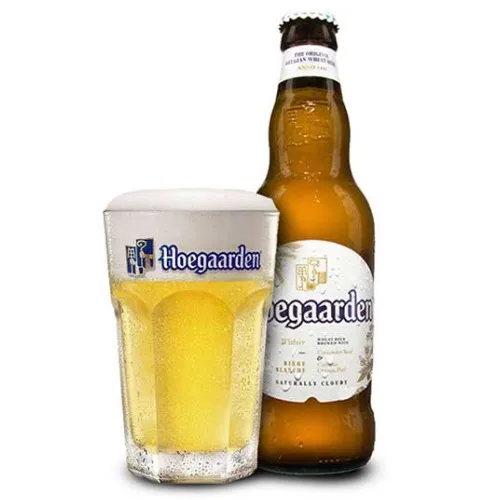
Not all vegetarian food demands the same beer. Light and crisp styles—pilsners, pale ales, witbiers—work across most vegetable-forward menus because they refresh the palate without adding weight. Wheat beers bring soft spice and slight sweetness that lift dishes like roasted mushrooms or herb salads. Saisons offer peppery, funky notes perfect for Asian vegetarian curries. Avoid imperial stouts and barleywines; their roasted character and 8%+ ABV overwhelm lighter fare. Rule: if the dish is light, the beer should be too. Choose from our German beer and Belgian beer sections—both regions dominate vegetarian-friendly profiles.
How do vegetable flavours change with hop bitterness?
Hoppy beers highlight umami in mushrooms, tomatoes and fermented vegetables (kimchi, miso-based dishes). Higher bitterness (30–50 IBU range) cuts through rich oils in nut-based sauces and avocado. Lower bitterness (10–20 IBU) lets subtle herb flavours shine—basil, coriander, lemongrass. Hanoi vegetarian restaurants often pair leafy greens with crisp pale ales; umami-heavy stir-fries work better with malty balance. Test: a pilsner with grilled asparagus will taste cleaner than a red ale; reverse the pairing and the beer tastes thin. Our staff can help match bitterness to your specific dish—walk in or message WhatsApp.
💬 Order on WhatsApp +84 984 914 461
What alcohol strength works for vegetarian meals?
Lower ABV (4–5.5%) feels lighter and won't fatigue the palate during multi-course vegetarian dining. Higher ABV (6.5%+) suits hearty winter vegetables and slow-cooked stews. A 5% pilsner with summer greens feels crisp; a 7% amber with roasted root vegetables feels balanced. Avoid 8%+ unless sharing a bottle over a single rich dish. Hanoi's warm climate favours lower-ABV sips—less alcohol heat, more refreshment. Check the label or our imported beer guide for exact ABV; we list all imported beers with full specs.
Should you pair beer with vegetarian wine instead?
Wine and vegetarian food often match perfectly, but beer offers more range. Imported wines—especially Italian and French varieties—suit herb-forward and lighter vegetarian dishes. Sparkling wine suits creamy vegetable gratins. Beer's advantage: carbonation, bitterness, and funky yeast characters add complexity that wine alone cannot. If unsure, buy both small format and taste. We stock single bottles and sampler formats for experimentation.
How do you avoid a pairing mismatch at home?
Create a simple test: pick one vegetarian dish, choose one beer by colour and ABV (lighter colour = lighter body usually; 5% ABV on label = crisp profile). Taste both separately first. Then sip beer, eat a bite, repeat. Does the beer taste better, worse, or the same after eating? Better = good pairing. Worse = skip it. Same = neutral (often fine). Write down the result. Build a notebook of what works in your kitchen. When ordering at 1EURO, mention the dish—our team will suggest 3–4 styles to test. Most beers keep 2–4 weeks unopened in a cool, dark place.
| Vegetarian Dish Type | Best Beer Styles | ABV Range | Why It Works |
|---|---|---|---|
| Leafy greens, fresh herbs | Pilsner, saison | 4.5–5.5% | Crisp acidity cuts herb oil; no competing flavour |
| Roasted mushrooms, umami sauces | Pale ale, amber | 5–6% | Hop bitterness highlights umami; medium body balances richness |
| Creamy vegetable dishes | Witbier, hefeweizen | 5–5.5% | Soft spice and clove lift cream; wheat adds velvet texture |
| Legume/bean-based | Saison, IPA | 5–7% | Funky, peppery notes cut through earthiness; higher carbonation aids digestion |
| Roasted root vegetables, stews | Amber, brown ale | 5.5–6.5% | Malty sweetness mirrors caramelised flavours; fuller body stands up to weight |
What to check before you buy
Storage: Imported beers need cool (8–15°C), dark conditions. Hanoi heat accelerates degradation. Our Kim Ma and Central Park shops are temperature-controlled; home storage should be the same.
Bottle condition: Clear glass (not brown or green) exposes beer to light damage (skunky flavour). Check the cap seal—dents or rust suggest air leakage.
Serving temperature: Pilsners (8–10°C), witbiers (8–12°C), ambers (10–14°C). Too cold masks flavour; too warm feels heavy. A simple fridge thermometer helps.
Freshness: Ask the shop when stock arrived. Hanoi's turnover is fast at 1EURO, so rotation is reliable. Beers older than 6 months lose hop character.
Carbonation level: Over-carbonated beer (from poor storage) tastes prickly and harsh. Undercarbed feels flat. Imported bottles should hiss gently on opening.
Label language: Some imports carry German, French or Czech labels. Our staff translate specs—ABV, origin, style, brewing date—if needed.
Pairing vegetarian food with beer is a skill, not magic. Start with the style guide above, test at home, and refine. 1EURO stocks imported beers from Germany, Belgium, Czech Republic and beyond—all suited to plant-based dishes. Visit either Hanoi location or order small sampler packs to experiment without waste. Most customers discover their favourite pairing within 2–3 tries.
Pages from our team you may need
FAQ
Can I pair dark beer with vegetarian food?
Yes, if the dish is hearty. Brown ales and dunkelweizens work with roasted vegetables and mushroom stews because their malty sweetness mirrors caramelised flavours. Avoid thin dark ales (too bitter); seek fuller-bodied types (5.5–6.5% ABV). Test a small bottle first.
What if I don't know the ABV of a beer?
Check the label or ask at 1EURO. We list ABV for every imported beer in stock. Most European pilsners fall 4.5–5%, Belgian witbiers 5–5.5%, ambers 5.5–6.5%. When ordering on WhatsApp, describe the vegetarian dish and we'll suggest by alcohol strength.
Does beer pair better with Asian or Western vegetarian dishes?
Both, depending on seasoning. Spicy Asian vegetarian curries suit saisons and witbiers (peppery, fruity notes cut heat). Western herb salads match crisp pilsners (clean bitterness). Ask our staff which dish you're serving—we stock beers that pair across cuisines.
Should I chill beer to near-freezing for vegetarian meals?
No. Below 4°C masks flavour. Pilsners taste best at 8–10°C, witbiers at 8–12°C, ambers at 10–14°C. A 2-hour chill in the fridge is enough. Freezing numbs the pairing experience.
Can I return a beer if the pairing doesn't work?
Our 30-day smile guarantee covers unopened bottles. If opened and the flavour is faulty (oxidised, skunky), message us with a photo of the cap and label—we'll advise a swap. Poor pairing choice is a learning opportunity; we don't charge for tasting advice.
What's the easiest way to start a vegetarian beer pairing collection?
Order a mixed sampler: one German pilsner, one Belgian witbier, one Czech lager, one saison. Test each with your usual vegetarian dinner. Keep notes. Reorder what worked. This takes 4 weeks and costs less than a single premium bottle. WhatsApp us the vegetarian dishes you cook most—we'll assemble a starter set.