Best Beer with Bun Cha: Pairing Guide for Hanoi
Bun cha pairs best with crisp, dry lagers or wheat beers—styles that refresh your palate between bites of grilled pork and rich dipping sauce. German pilsners and Czech lagers cut through fish sauce and char; Belgian wheat beers soften the heat. At 1EURO (Kim Ma, Ba Dinh and The Manor, Hoang Mai), we stock over 260 imported beers including German, Belgian and Czech styles perfect for this pairing. Choose 4.5–5.5% ABV, high carbonation, and minimal sweetness. Avoid dark stouts or heavy imperial styles—they compete rather than complement. Order on WhatsApp +84 984 914 461 for delivery in Hanoi or visit in-store to taste before buying.
Why does bun cha need a specific beer style?
Bun cha's flavor profile sits at a crossroads: grilled pork brings umami and char, while the nuoc cham (dipping sauce) delivers salt, acid, and fish sauce intensity. A beer must either cut through richness or mirror the acidity—not mask it. Pilsners, lagers and wheat beers do this naturally because their yeast profiles and carbonation create a cleansing effect on the tongue. Heavy, sweet, or low-carbonation beers clog the palate instead. Think of the beer as a palate cleanser, not a sauce.
What ABV and carbonation level works best?
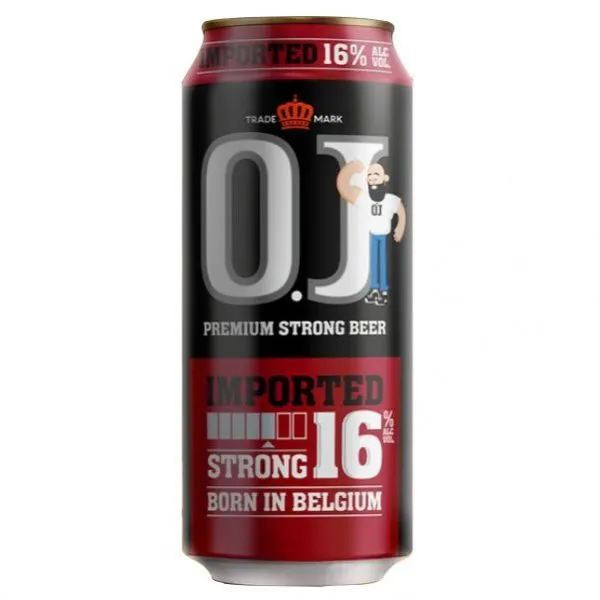
Target 4.5–5.5% ABV and firm, persistent carbonation (based on our counter experience at 1EURO 2025–2026). Lower ABV keeps heat and alcohol burn minimal when eating spiced food; higher carbonation refreshes between bites. Beers below 4% feel thin; above 6%, alcohol warmth overwhelms the delicate balance of sweet, salty, sour and smoky. Strong carbonation also means fewer sips feel satisfying—you stay hydrated and engaged with the meal longer. Check the label for "natural carbonation" or "krausened" for best texture.
Which beer regions match bun cha best?
| Region | Style | Flavor Profile | Why It Works |
|---|---|---|---|
| Germany | Pilsner, Helles | Dry, herbal, crisp | Noble hops mirror umami; low sweetness. |
| Czech Republic | Bohemian Lager | Balanced, slightly sweet | Malt backbone supports char; clean finish. |
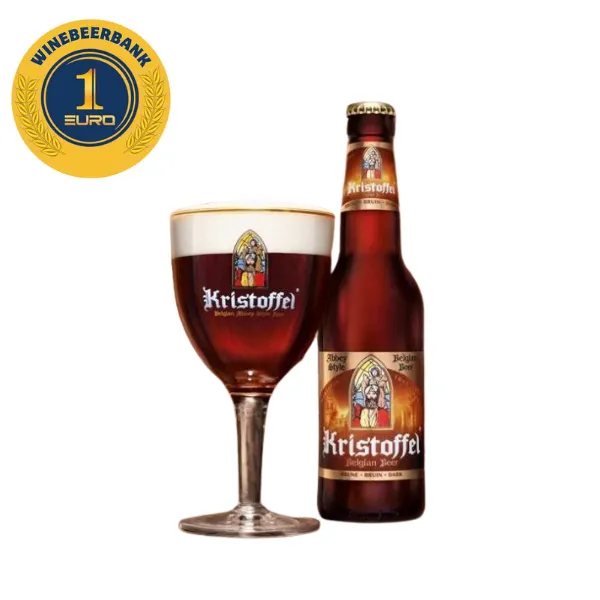
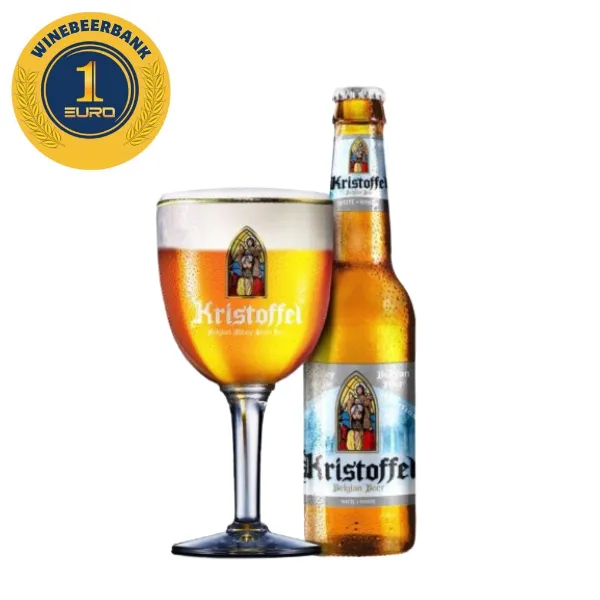
| Belgium | Witbier (Wheat) | Citrus, spice, soft | Coriander and orange ease fish sauce heat. |
| Netherlands | Pale Lager | Neutral, dry | No interference; lets bun cha shine. |
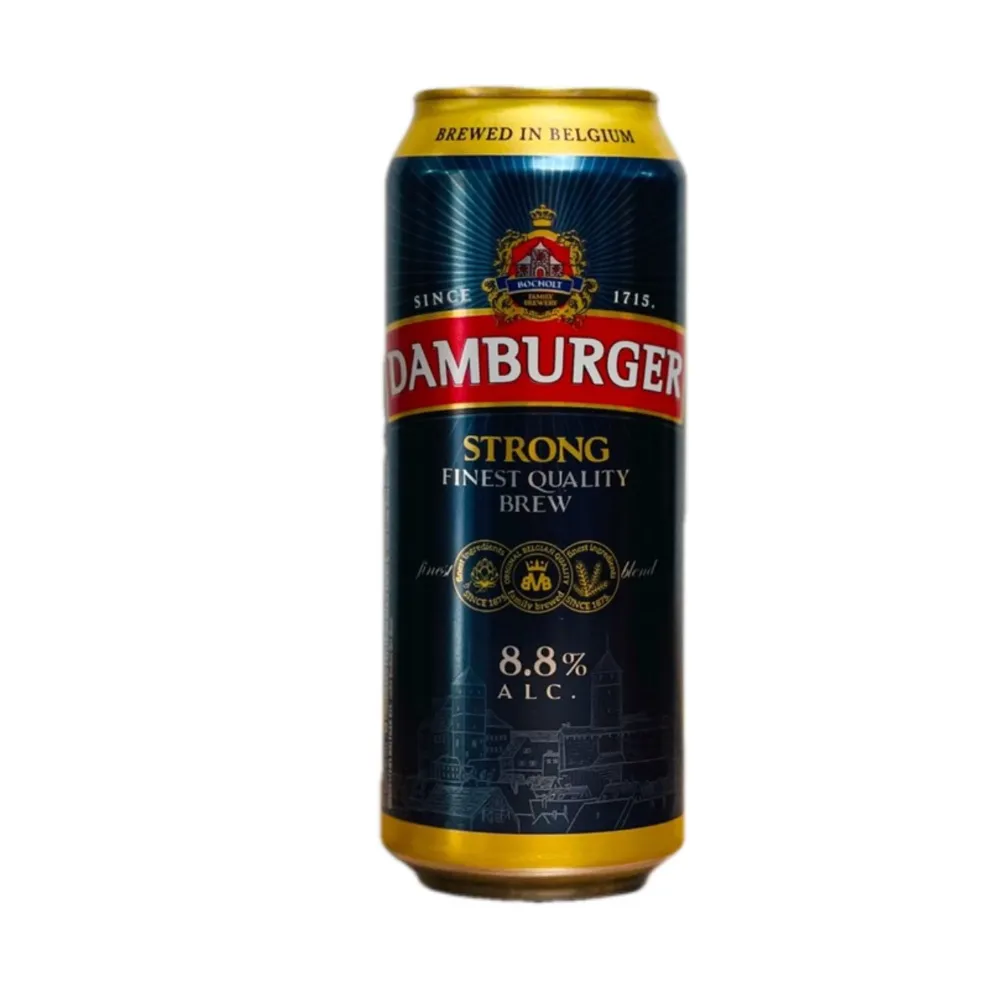
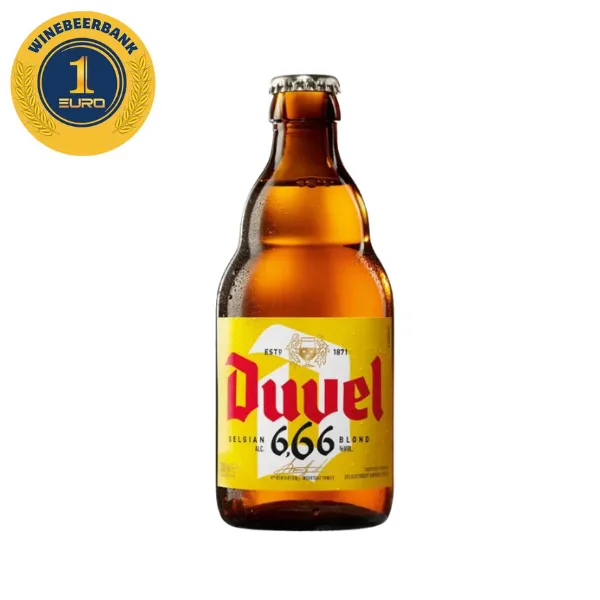
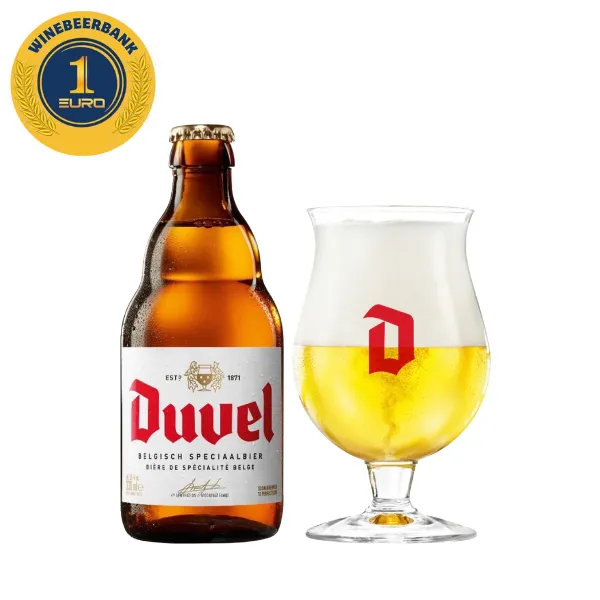
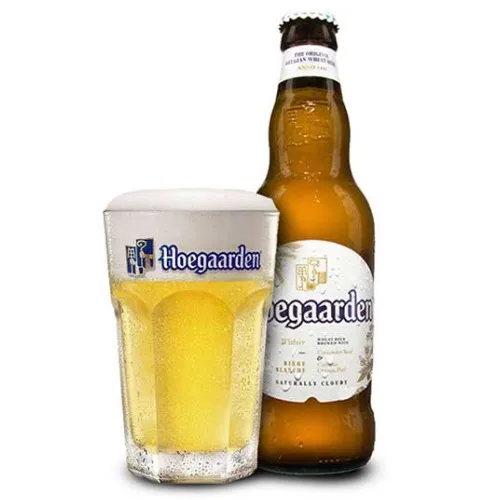
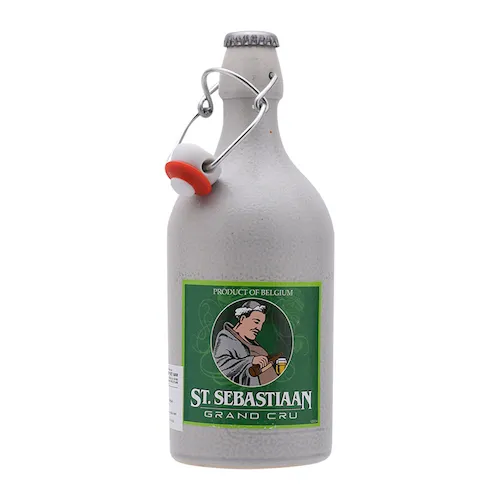
At 1EURO, German beer, Belgian beer, and Czech imports are always in stock. German pilsners appear most frequently because their hop profile—Hallertau or Tettnang—mirrors the bitter-green notes in fresh herbs (mint, cilantro) served with bun cha. Belgian wheat beers appeal to diners sensitive to fish sauce intensity; the coriander and wheat softness create a sweet-savory bridge. Czech lagers occupy the middle ground: clean enough to refresh, malty enough to honor the dish's richness.
💬 Order on WhatsApp +84 984 914 461
How do temperature and glassware affect the pairing?
Serve at 48–52°F (9–11°C) for pilsners and lagers; 50–55°F for wheat beers. Cold suppresses bitterness and sharpens acid—ideal when fish sauce and charred meat are already intense. Room-temperature or warm beer becomes cloying and flat against bun cha's salt and smoke. Use a straight pint glass or nonic (textured rim) to preserve carbonation and direct aroma toward the nose—taste happens as much through smell as the tongue. Avoid wide bowls or flutes; they let bubbles escape faster. Keep the glass 2–3 inches from the plate so you taste beer and food nearly in sync, not separately. At 1EURO, we recommend this during tasting sessions and note it on our beer guide section.
What mistakes kill the bun cha–beer pairing?
Avoid these slip-ups:
- Dark beers (stouts, porters). Roasted grain bitterness competes with char and fish sauce, creating a confusing, astringent finish. Save these for dessert or beef stew.
- Sweet or fruity lambics. Sugar and fermented fruit overwhelm the salty, savory dipping sauce. You'll taste the beer more than the meal.
- Low-carbonation ales or sours. Flat beer clings to the palate; you need aggressive fizz to reset between bites. Sour styles can double-down on acid in nuoc cham, making it feel harsh.
- Hoppy IPAs (above 7% ABV). Bold hop oils coat the mouth and compete for attention. The interaction often tastes metallic.
- Overfilled glasses. Warm beer rises in temperature fast in Hanoi's heat. Sip quickly and refill often rather than letting a full glass sit.
Import Belgian beer and Czech imports are proven performers; our staff taste-test these pairings weekly and can advise by phone or WhatsApp.
📋 See the price list | 📍 Visit a 1EURO store
How to order the right beer for bun cha in Hanoi
- Tell us the setting. Are you eating at a streetside pho stall, a restaurant, or home with friends? Casual dining works with any clean lager; home gatherings benefit from variety (4–5 styles so guests choose).
- Mention heat tolerance. If you avoid spicy food, lean toward wheat beers or Belgian styles. If you love chili and strong flavors, Czech lagers and German pilsners shine.
- Check freshness. Beer loses carbonation and hop character after 4–6 months. Our stock rotates weekly; WhatsApp orders arrive within 2 days (Hanoi delivery) and ship US/international in 5–10 days.
- Buy in cans or bottles. Cans preserve freshness during Hanoi's heat; bottles look nicer for entertaining. Both seal equally well if unopened.
- Order via WhatsApp +84 984 914 461. Describe your meal and we'll recommend by type—no guessing, no overspending.
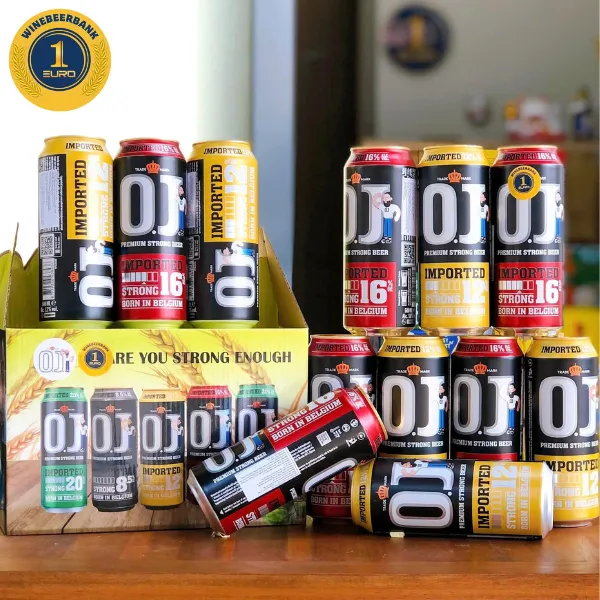
We stock imported beer in over 260 SKUs; German, Belgian, and Czech selections cover every bun cha scenario. Visit Kim Ma (Ba Dinh district) or The Manor Central Park (Hoang Mai) to taste before committing to a full box.
What to check before you buy
- Brewing date or batch code. Verify the batch code matches the year 2026 (printed on the label or cap). Older stock loses carbonation fast in tropical heat.
- Storage condition in the shop. Beer stored in direct sunlight or above 65°F degrades in weeks. We keep ours at 50–55°F; if a shop leaves cases outside, pass.
- Return policy. 1EURO offers a 30-day smile guarantee; if the beer tastes flat or off, we replace it. Check this in writing before bulk orders.
- Carbonation sound. When you open a can or bottle, listen for a firm hiss—a sign carbonation survived shipping. Weak or silent openings suggest age or mishandling.
- Pairing notes on the label. Look for "crisp," "dry," "clean" or "refresh"—words that signal bun cha compatibility. Avoid "smooth," "round," "full-bodied" or "dessert-like."
💬 Order on WhatsApp +84 984 914 461
FAQ
Can I pair bun cha with an IPA or hoppy beer?
Hoppy beers above 7% ABV compete with charred pork and fish sauce; they often taste harsh or metallic alongside strong umami and salt. Stick with 4.5–5.5% ABV pilsners, lagers, or wheat beers for harmony.
What's the difference between German and Czech lager with bun cha?
German pilsners are drier and more herbal (Hallertau hops); Czech lagers carry subtle malt sweetness. Both work; choose German if you dislike residual sweetness, Czech if you want to soften spice impact.
Should I serve the beer very cold in Hanoi's heat?
Yes, 48–52°F is ideal. Warmer beer loses carbonation and tastes cloying against bun cha's salt and smoke. In Hanoi, pre-chill glasses 10 minutes before pouring and sip quickly.
Can I order imported beer for delivery inside Hanoi?
Yes. Message +84 984 914 461 on WhatsApp with your address and preferred styles. Delivery arrives within 2 days; we cover most central and inner-ring districts.
What's the best glassware for bun cha beer?
A nonic pint glass (textured rim) or straight pint preserves carbonation and directs aroma. Avoid wide bowls or flutes; they flatten the beer fast.
Are Belgian wheat beers better than Czech lagers for bun cha?
Neither is "better"—they suit different tastes. Wheat beers ease fish sauce heat; lagers refresh with dry crispness. Try both and choose by preference. Belgian beer is softer; lagers are cleaner.
How long does imported beer last after I buy it?
In Hanoi's climate (75–90°F ambient), cans and bottles last 4–6 months unopened if stored at 50–55°F. After opening, consume within 1–2 hours for best carbonation.