Belgian Beer Old Quarter Hanoi: What to Buy & Where
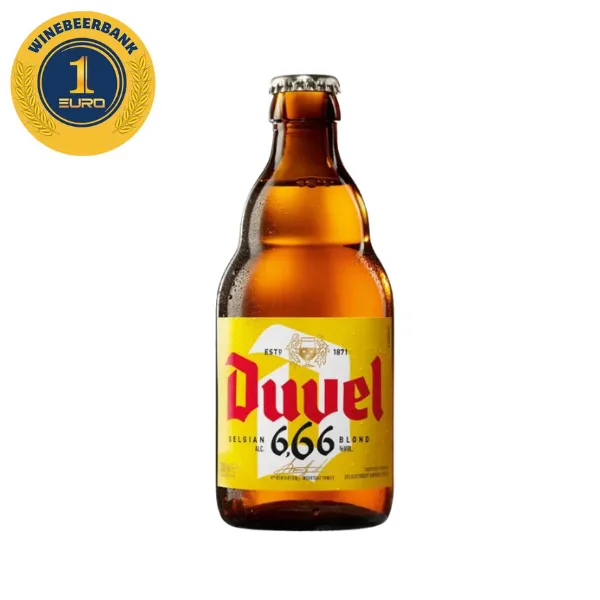
1EURO (Kim Ma, Ba Dinh and The Manor Central Park, Hoang Mai) holds about 30–50 genuine Belgian beers year-round: Trappist ales, Flemish reds, saisons, and fruit lambics ranging from 5% to 12% ABV. Belgians ferment warm, bottle-condition (secondary carbonation in glass), and age well—some improve for years. Decide by color (pale gold to burgundy), funk (wild yeast or fruit), and strength before ordering on WhatsApp +84 984 914 461 or visiting in person. Most arrive in 75cl or 33cl bottles; delivery inside Hanoi takes 1–2 days. Common mistakes: buying high-ABV ales for everyday drinking, serving too cold (masks flavor), or skipping the food pairing angle—Belgian tripels sing with Thai or French cuisine.
What makes Belgian beer different from German or Czech styles?
Belgian brewers use warm fermentation (18–25°C), wild yeasts, and spices like coriander or orange peel—creating fruity, peppery, or herbal notes German lagers never reach. German beers (pilsners, weizens, kellerbiers) emphasize clean, malty body and low esters; Czechs champion crisp, noble-hop bitterness. Belgians thrive on complexity: a Trappist ale layers stone fruit, clove, and bread crust; a lambic ferments for years with Brettanomyces, yielding funky, sour, vinous character. For Hanoi expats switching from standard lagers, Belgian ales feel unfamiliar—sometimes jarring. That's intentional. Serve Belgian ales at 50–55°F (10–13°C) to unlock aromatics; German lagers at 45–50°F (7–10°C). Belgian beers reward patience and matching to food, not just chilling and drinking fast.
💬 Order on WhatsApp +84 984 914 461
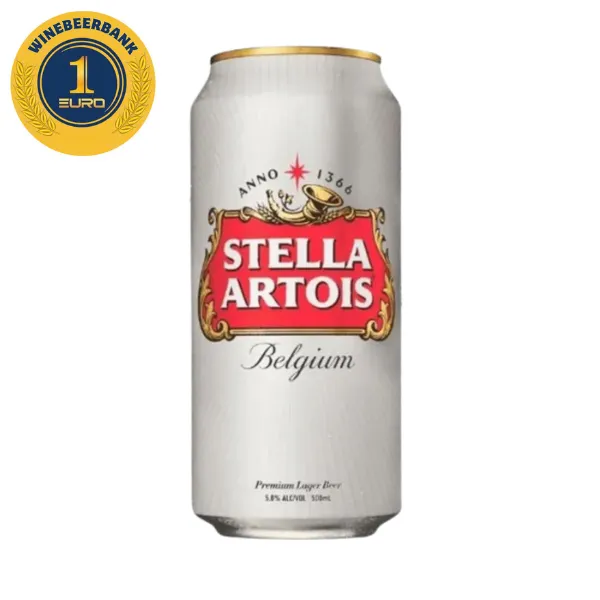
Which Belgian beer style fits your taste profile?
Belgian beer splits into five main types; each suits a different moment and palate.
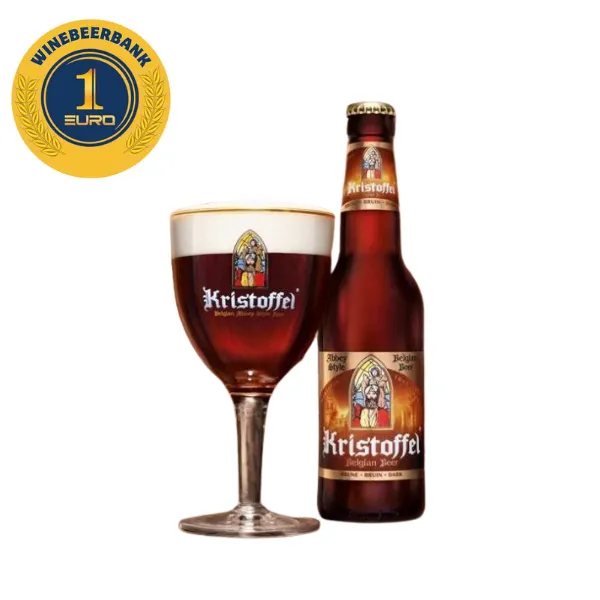
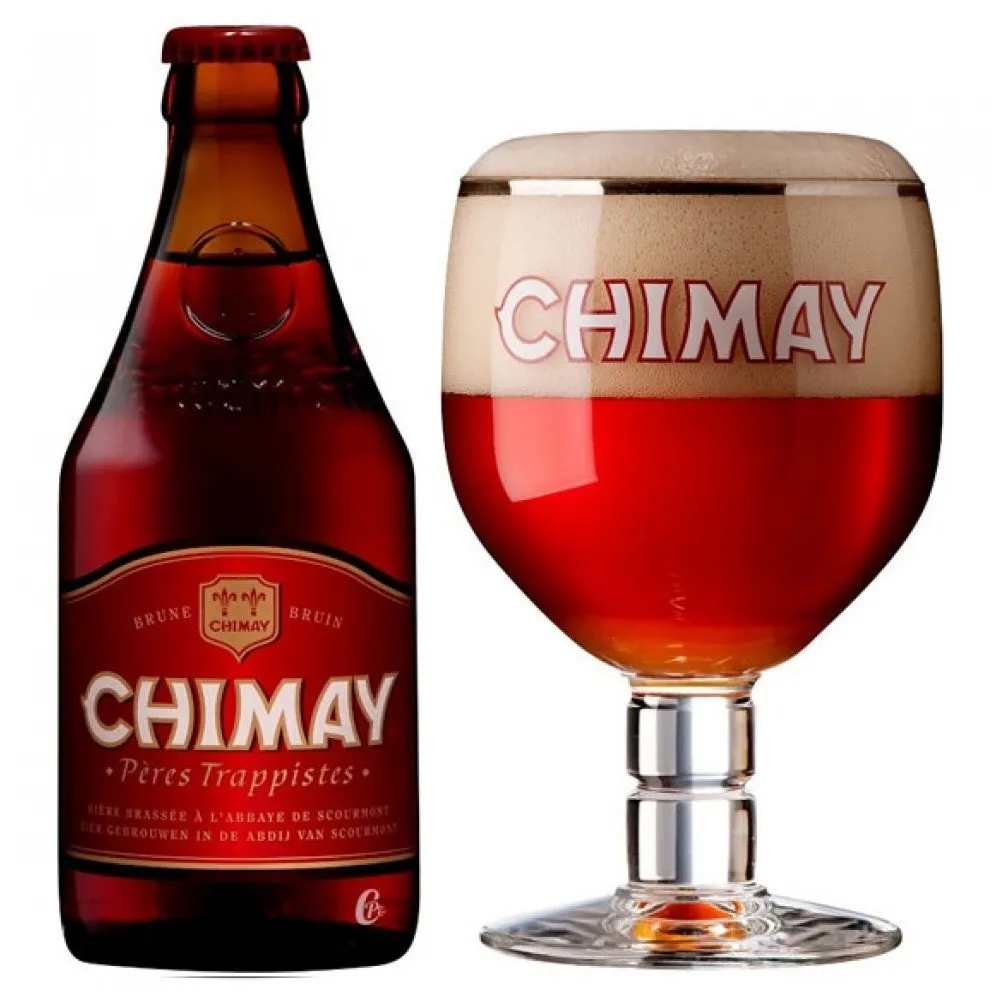
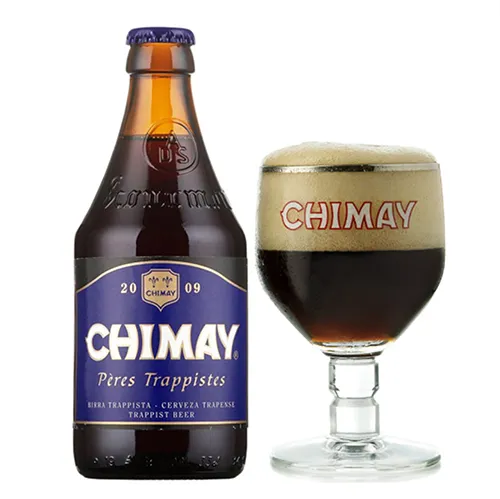
Trappist & Abbey Ales (7–11% ABV): dark, spiced, fruity. Brewers in monasteries (Trappists) or beer styles inspired by abbey traditions. Rich, warming—sip after dinner or with roasted meats. For: contemplative drinkers, food lovers, those scaling up from lighter beers.
Saisons (5–7% ABV): pale, dry, peppery. Originally brewed in spring for summer farmwork; now a trendy craft style worldwide. Crisp finish, herbal kick. For: warm evenings, casual meals, those who dislike sweetness.
Lambics & Sours (5–7% ABV): spontaneous fermentation, funky, tart. Some are fruit-blended (cherry, raspberry). Polarizing—love it or hate it. For: adventurous palates, pairing with seafood or pastries.
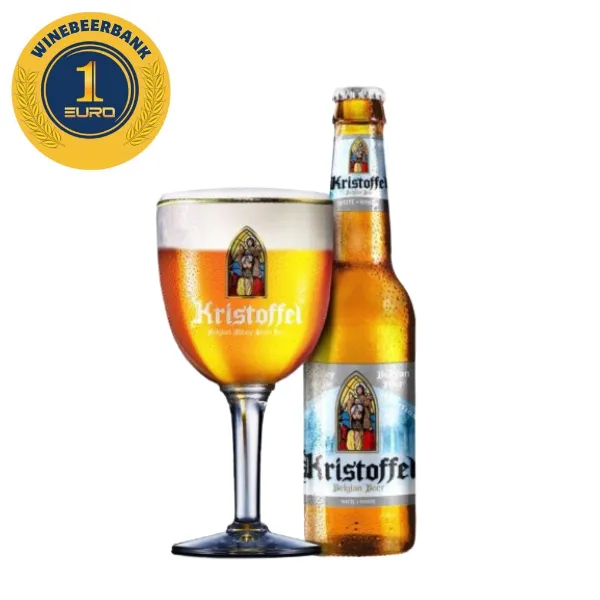
Blonde/Golden Ales (6–8% ABV): light color, balanced malt & spice. Gateway Belgian for lager drinkers. For: newcomers, sessions, mild curries.
Reds & Browns (6–8% ABV): burgundy hue, caramel notes, subtle tartness. Rare in Asia. For: complexity seekers, charcuterie boards, French onion soup.
| Style | ABV | Color | Funk? | Best Time | Who It's For |
|---|---|---|---|---|---|
| Trappist | 7–11% | Dark | Spiced fruit | Dinner | Serious drinkers |
| Saison | 5–7% | Pale | Herbal | Warm evening | Dry-beer fans |
| Lambic | 5–7% | Gold/pink | Wild yeast | Dessert/brunch | Adventurous |
| Blonde | 6–8% | Golden | Mild spice | Any | Newcomers |
| Red/Brown | 6–8% | Burgundy | Subtle sour | Rich meals | Food explorers |
How should you serve and store Belgian beer in Hanoi's heat?
Hanoi's humidity and 30°C+ heat are enemies of bottle-conditioned beer. Belgian ales rely on yeast and carbonation in glass—once opened, they deteriorate quickly in warm conditions.
Storage: Keep sealed bottles at 15–18°C (cool corner, away from direct sun). A wine fridge works perfectly. Heat accelerates yeast autolysis (dead-cell breakdown), turning fresh fruit into vinegary flat notes within weeks. Room-temperature storage in Hanoi is only safe for 2–3 months; high-ABV Trappists survive longer (9–12% acts as preservative).
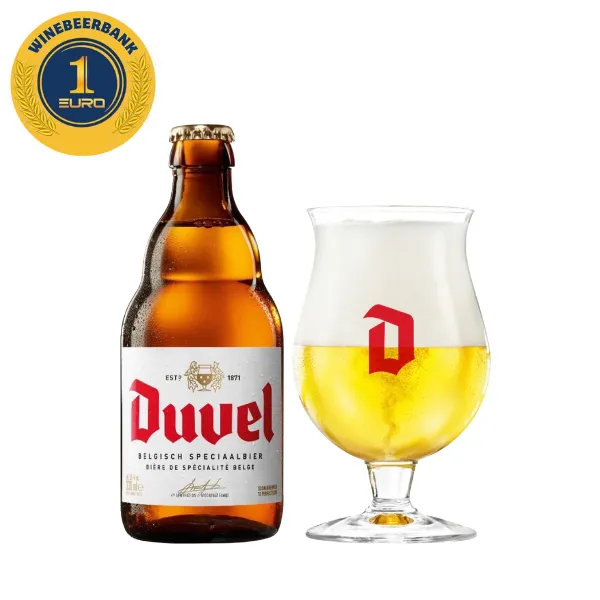
Pouring: Use a tulip or chalice glass (not pint). Pour slowly at 45° angle to build 1–2 inches of creamy head. Head traps aromatics; never skip it. Drink within 30 minutes of opening—no warm leftovers.
Glassware check: Belgian cafés use specific shapes. Trappists → chalice (wide mouth, holds heat for aroma). Lambics → flute (preserves carbonation). Saisons → snifter (concentrates spice). 1EURO staff can advise glassware when you order.
Temperature guide: Serve at 50–55°F (10–13°C)—warmer than German lagers, cooler than room temp. Cold suppresses funk and spice; warm reveals them. Hanoi's fans and AC make chilling easy; let bottles sit in a cooler for 20 minutes before serving.
What Belgian beers pair best with Vietnamese and international food?
Belgian ales' spice and carbonation bridge cuisines in ways lagers can't.
Trappist ales + French/Vietnamese fusion: Rich Trappist fruit pairs with French onion soup or beef stews. The bread-crust sweetness echoes in slow-braised pork. Try with cà phê đen (dark coffee builds umami).
Saisons + Hanoi street food: Herbal, peppery saisons cut through fried snacks (bánh mì, egg rolls). Low alcohol, dry finish—no bloat. Perfect for lunch sessions before 15:00.
Lambics + Seafood & Asian spice: Sour lambics refresh salty shrimp, anchovies, or soy-based dips. Fruit lambics (raspberry, cherry) pair with spicy curry—the tartness cools heat. Rare but transformative.
Blonde ales + Mild curries: Neutral blonde bridges gap between Belgian and Thai. Sweet malt balances coconut milk; spice won't overpower.
Reds/Browns + Charcuterie & cheese: Burgundy hue suits cured meats, aged cheese, dark chocolate. Subtle sourness mirrors fermented charcuterie (pâté, salami).
Avoid pairing high-ABV Trappists (11%) with light street food—overwhelming. Save those for sit-down meals or meditation.
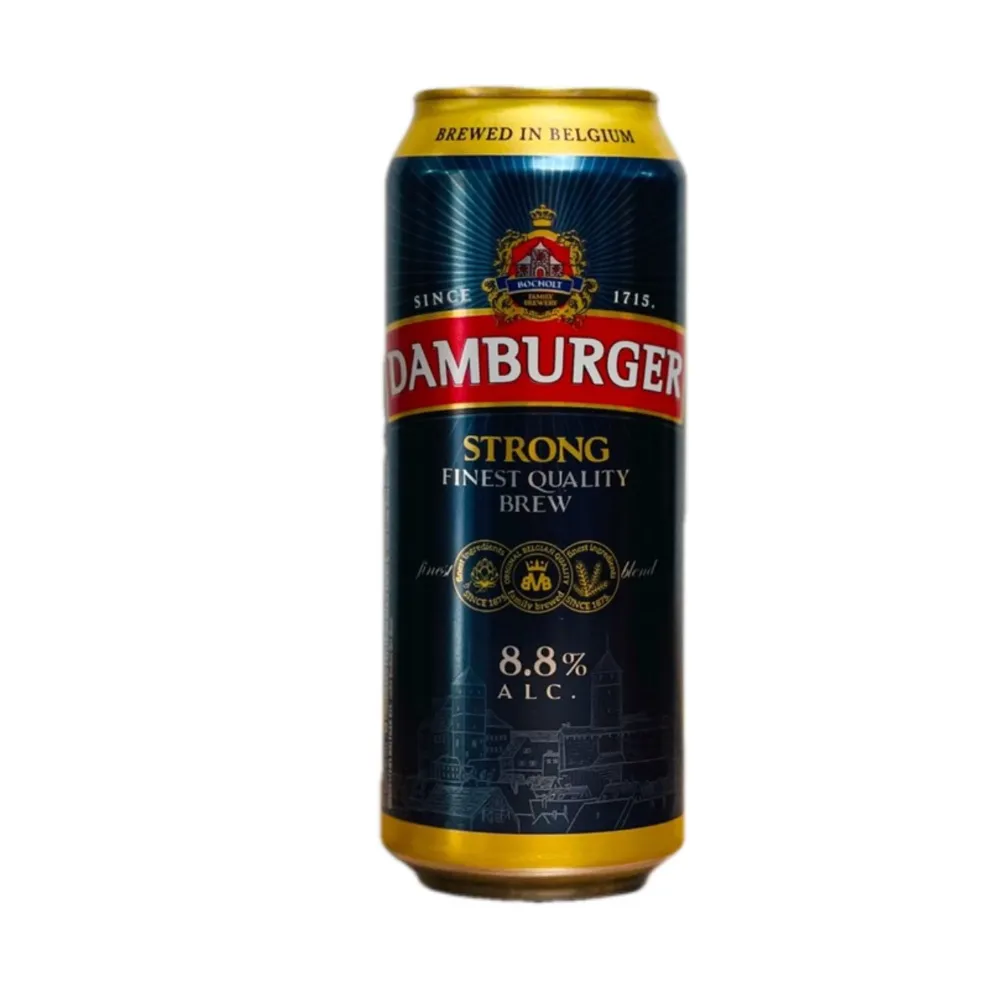
How do you order Belgian beer in Hanoi and what should you check?
1. Browse online or in-store: Visit 1EURO's Belgian beer collection or walk into Kim Ma (Ba Dinh) or The Manor Central Park (Hoang Mai). Staff can recommend by taste, food pairing, or occasion in English.
2. Choose by occasion & party size:
- Single bottle (33cl or 75cl)? → Testing new style or gift.
- 6-bottle assortment? → Dinner party or tasting night.
- Case (12 bottles)? → Steady drinker or expat group.
3. Order process:
- WhatsApp: Message +84 984 914 461 with beer name, quantity, delivery address.
- In-store: Pay cash or card (Visa/Mastercard accepted); walk out same day.
- Online: Delivery inside Hanoi within 24–48 hours.
4. Before confirming, check:
- Bottle condition: Ask if it's been chilled and stored upright. Never buy warm stock or bottles tipped on their side.
- Expiry/bottled date: 1EURO imports fresh stock; ask "when arrived?" Lambics age well for 3+ years, but blonde ales fade after 12 months.
- Seal integrity: Inspect cap or cork. Dents, leaks, or loose seals = reject. Bottle-conditioned ales fizz slightly when opened—normal.
- Volume & price: Confirm 33cl vs. 75cl. Check the price list before ordering to avoid surprises.
- Glassware included? Most won't. Ask staff for serving recommendations or buy a 50cl tulip glass for ~our current quote (optional).
5. What to avoid:
- Don't buy from street vendors or convenience stores—no temperature control, stock age unknown.
- Reject bottles with "best-by" dates under 3 months away (except Trappists, which last).
- Avoid ordering more than 6 bottles if first-time—taste first, commit later.
What's the real difference between a our current quote and our current quote Belgian beer?
Price variance depends on rarity, ABV, age-worthiness, and import markup—not always quality.
Entry-level (equivalent to ~our current quote–our current quote): Blonde ales, young saisons, standard abbey styles. Widely available, fresh, meant for quick drinking. Quality is high—Belgian brewing standards are strict. Good for first-time buyers or regular sessions.
Mid-range (our current quote–18 equivalent): Limited-production Trappists, vintage lambics, rare saisons. Imported in smaller volumes; longer shelf life or aging potential. Worth the premium if you're pairing with a special meal or collecting.
Premium (our current quote+ equivalent): Single-batch Trappist or Flemish red aged in oak. Very limited stock; 1EURO might carry 1–2 bottles. Collectible, reward-worthy, or gift-tier. Aging potential: 5–10 years.
Why the gap? Trappist monks charge fairly; markup is modest. Rare indie breweries use expensive methods (spontaneous fermentation, bottle-conditioning) and distribute tiny volumes—cost per bottle rises. Hanoi's import duty, shipping, and refrigeration add 30–50% to EU shelf prices. A beer costing our current quote in Brussels becomes 180–our current quote in Hanoi—not markup greed, logistics.
Real value: Pick mid-range for quality & discovery. Reserve premium for special occasions or gifts. Entry-level is never "cheap" in flavor; it's just fresher and lighter.
💬 Order on WhatsApp +84 984 914 461
Can you gift Belgian beer in Hanoi, and what's the best way?
Yes. 1EURO offers Tet gift sets and custom beer gift boxes for expats, travelers, and locals.
Packaging:
- Single bottle: wrapped in tissue, inside a gift box (no extra charge for orders on WhatsApp).
- Multi-bottle sets: 3–6 bottles in a wooden or cardboard box, with tasting notes or suggested pairings.
- Corporate gifts: 12-bottle cases available; ask staff about bulk discounts for diplomatic compounds or expat organizations.
Gifting rules:
- Skip high-ABV Trappists (11%+) for colleagues—too intense, polarizing. Blonde ales or saisons are safer.
- Include a note on serving temperature (10–13°C) or food pairing. Receivers often don't know how to enjoy Belgian beer.
- Avoid gifting if recipient's culture restricts alcohol—ask quietly first.
- Tet period: Order 7+ days before to secure stock and avoid delivery delays.
Best for:
- Housewarming gifts.
- Expat colleagues leaving Hanoi.
- Business entertainment (paired with a French wine for premium impression).
- Tet red-envelope alternative (if culturally appropriate).
FAQ
Is Belgian beer expensive compared to German or Czech beer?
Belgian imports cost 20–30% more per bottle due to smaller production, bottle-conditioning, and higher ABV. German pilsners and Czech lagers in Hanoi are cheaper by volume. But Belgian beers' complexity and aging potential justify premium for enthusiasts.
How long does Belgian beer last after opening?
Drink within 30 minutes of opening. High carbonation dissipates; yeast flavors flatten. Hanoi heat accelerates spoilage. Never store an open bottle overnight—it goes flat and sour.
Can you find Belgian beer outside Old Quarter or downtown?
1EURO's two locations (Kim Ma in Ba Dinh, The Manor in Hoang Mai) stock full Belgian range. Convenience stores and tourist bars rarely carry authentic imports. Order via WhatsApp for delivery anywhere in Hanoi.
Which Belgian beer is best for someone new to craft beer?
Start with a blonde ale (6–8% ABV, mild spice, approachable) or a saison (dry, herbal). Avoid Trappists (heavy, high-ABV) or lambics (polarizing funk) until your palate adjusts. Ask staff for a sampler.
Do Belgian beers go bad, or do they age like wine?
High-ABV Trappists (9%+) and lambics age 5–10 years if stored cool and dark. Blonde ales and saisons fade after 12 months. Never store in warm conditions—yeast dies, flavor collapses within weeks.
What's bottle-conditioning, and why does it matter?
The brewer adds live yeast before capping; fermentation continues in the bottle, creating natural carbonation and secondary flavors over time. This is why Belgian beers taste better at 2–6 months than day-one, and why you see sediment on the bottom. It's not contamination—it's part of the product.
How do I know if a Belgian beer has gone bad before buying?
Check the seal (no dents, leaks, or looseness). Inspect the label for dampness. Ask when it arrived in Hanoi; anything over 18 months old (except Trappists) is risky. 1EURO staff can verify stock age.