Beer Culture in Vietnam: What Expats & Travelers Should Know
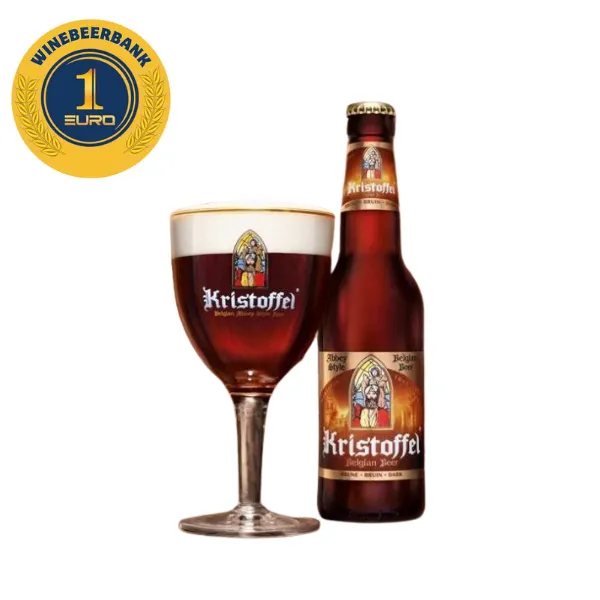
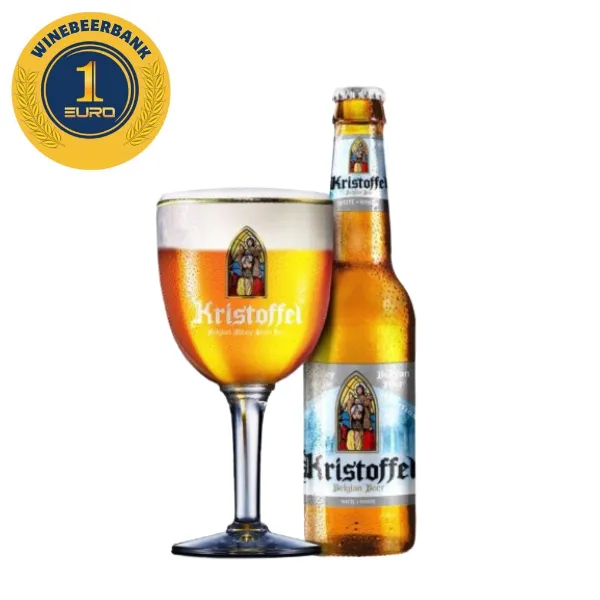
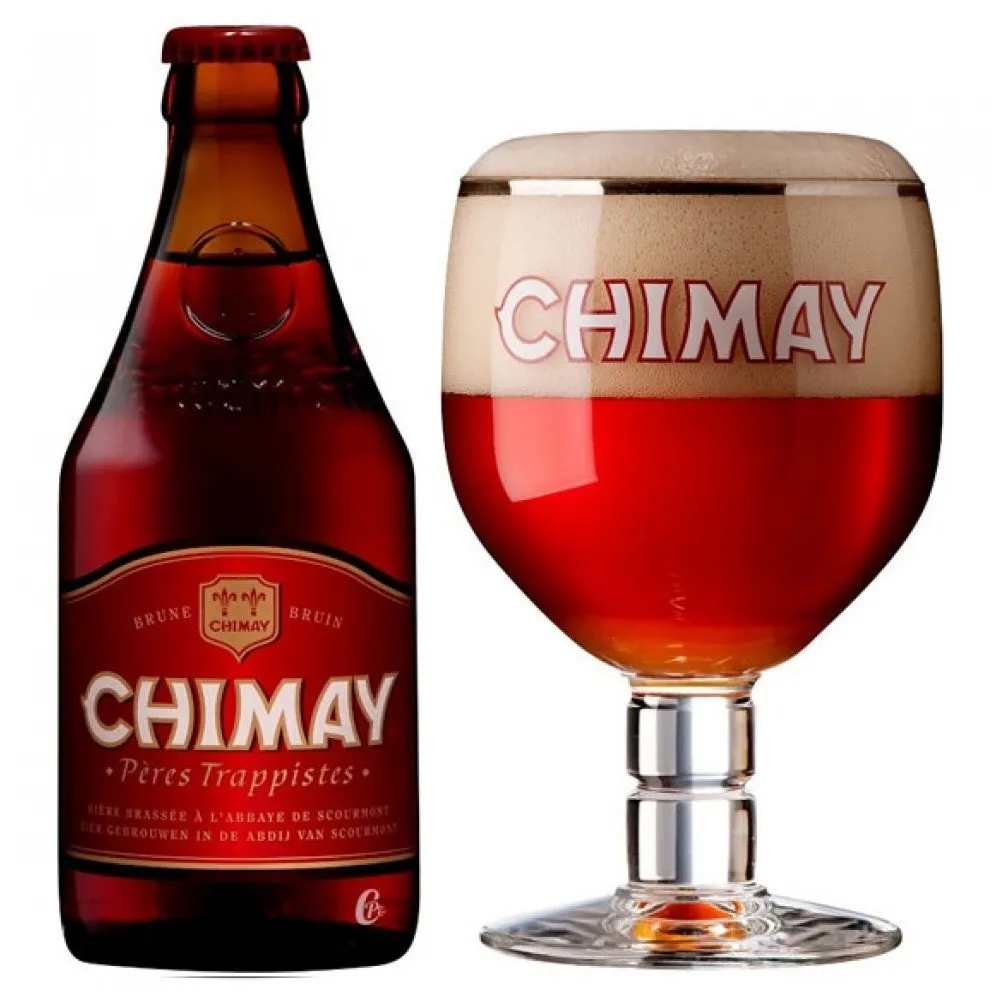
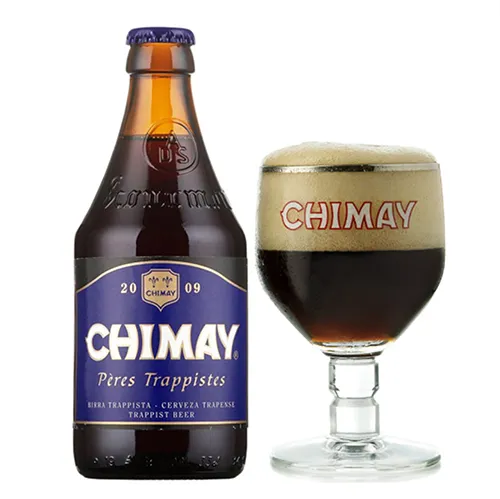
Vietnamese beer culture centers on refreshment and social gathering: locals favor light, crisp lagers served ice-cold, typically consumed quickly in groups at bia hơi (draught beer) stalls or casual restaurants. The domestic market is dominated by Saigon, Hanoi, and Tiger brands—all lagers under 5% ABV, designed for tropical heat and affordability. Expats and travelers in Hanoi can explore this everyday culture at street stalls, then access 260+ imported beers—German Pilsners, Belgian Trappists, Czech lagers, Spanish vermouth—at specialist shops like 1EURO (Kim Ma, Ba Dinh and The Manor Central Park, Hoang Mai). Premium imports offer different flavor profiles, serve temperatures, and food pairings than domestic options. Neither replaces the other; they reflect different occasions, budgets, and tastes.
What role does bia hơi play in Vietnamese daily life?
Bia hơi—fresh, unpasteurized draught beer served at plastic chairs on Hanoi sidewalks—is the heartbeat of Vietnamese beer culture. A bia hơi stall is social ritual: you pay a tiny amount per glass, drink within 30 minutes of tap, sit elbow-to-elbow with neighbors and coworkers. The beer must be consumed immediately because it lacks preservatives and spoils quickly in heat. Bia hơi is not a brand but a format: each stall has its own supplier. This nightly gathering is where most Vietnamese adults first encounter beer, and it remains the cheapest, most authentic way to experience local life. Tourists and expats should visit once for the cultural immersion, even if the beer itself is thin and forgettable.
Why do local beers taste different from European imports?
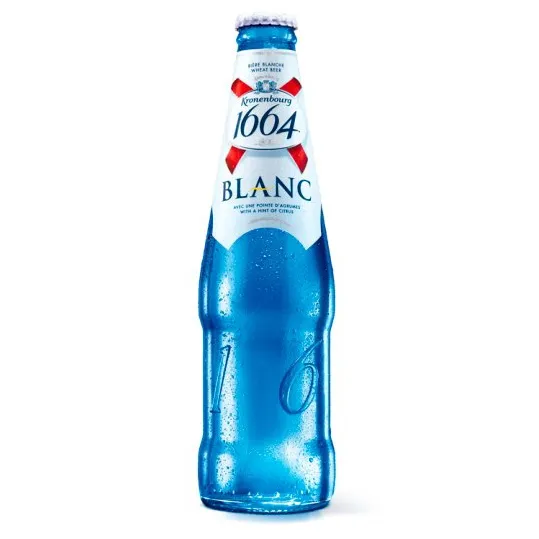
Vietnamese domestic lagers (Saigon, Hanoi, Tiger) are brewed for tropical climate survival and affordability: light body, low alcohol (4.5–5%), minimal hop bitterness, and high carbonation to feel crisp in 35°C+ heat. They are designed to be quenched, not sipped. German imported beer styles emphasize malt complexity and noble-hop balance at lower carbonation, served 8–10°C. Belgian ales are yeasty, fruity, and higher alcohol (7–11%), requiring slower appreciation. Czech lagers use soft water and specific yeast for smooth, malty profiles. These differences reflect brewing tradition, water chemistry, ingredients, and the cultural purpose of drinking: Vietnamese domestic = refresh and socialize quickly; European craft = taste and linger. Recognizing this gap helps you choose by occasion, not hierarchy.
How do I navigate between bia hơi culture and craft imports?
| Setting | Beer Type | Mood | Why It Works |
|---|---|---|---|
| Hanoi street stall, evening | Domestic bia hơi | Social, casual | Cheap, ice-cold, authentic, immediate |
| Restaurant or bar, dinner | Vietnamese lager (bottled) or craft import | Relaxed, longer meal | Cleaner than bia hơi; craft pairs with food |
| Home, after work | German or Czech import | Contemplative, solo | Better flavor depth; no rushed setting |
| Special occasion, friends | Belgian or Spanish craft | Celebratory, tasting | Higher quality signals respect; novel flavors |
Start with bia hơi once for the experience. Then, based on your palate and budget, explore German beer for clean, approachable classics, or Belgian beer for complexity. 1EURO stocks all three contexts: our staff can recommend by your mood and meal. Jumping straight to imports without tasting bia hơi misses the cultural moment; skipping imports after bia hơi leaves you with one story.
💬 Order on WhatsApp +84 984 914 461 | 📍 Visit a 1EURO store
What food pairings make sense in a Vietnamese beer context?
Domestic lagers cut through richness of fried foods, pho broth, and fish sauce—their low ABV and high carbonation refresh between bites without overwhelming delicate flavors. A cold Saigon works with spring rolls or banh mi because the beer stays neutral. Imported styles open new pairing possibilities: German Pilsners match grilled seafood and salty snacks; Belgian Dubbels complement caramelized pork or chocolate desserts; Czech lagers suit mushroom-heavy soups and roasted vegetables. If you order European imports at a Vietnamese restaurant, ask the kitchen for hearty grilled or braised dishes, not the lightest salads. 1EURO staff can suggest specific styles for meals you plan to cook at home—this creates a reason to upgrade from street bia and discover what premium imports can do for your table.
What should expats and travelers check before buying imported beer in Hanoi?
Before purchase:
- Bottle or can condition: Check for dents, leaks, faded labels (sign of heat exposure). 1EURO stores the bottles in cool, dark conditions; ask about storage if you plan to age a bottle.
- Serving temperature guidance: Ask the shopkeeper the ideal serve temp (most imports are 8–12°C; bia hơi is 2–4°C). Serving too warm dulls flavor; too cold masks it.
- Freshness date: European beer carries brewery dates. Hoppy imports (IPAs, Pilsners) taste best within 3–6 months; darker styles (Stouts, Barley Wines) can age years.
- Volume and glass type: Imports come 330 mL, 500 mL, or 750 mL bottles; some styles need specific glassware (Trappist ales in chalice, Pilsners in tulip). 1EURO staff advise on glassware.
- ABV and food: Higher-alcohol imports (9%+) require slower sipping and richer food or no food. Match to your evening plan.
- Allergies or dietary: Some Belgian beers contain coriander or fruit; ask before recommending to guests.
After purchase (if not drinking immediately):
- Store upright in a cool, dark place (not a sunny windowsill).
- Do not refrigerate-warm-refrigerate; once chilled, keep chilled until serving.
- Open bottles lose carbonation after 2–3 hours; drink within 4 hours of opening for best condition.
1EURO provides a price list so you budget ahead; every purchase includes a 30-day smile guarantee, so if a beer disappoints (wrong style, damaged bottle, personal taste mismatch), return it. This lowers the risk of experimenting with unfamiliar imports.
How does beer choice reflect economic and cultural change in Vietnam?
Twenty years ago, beer in Vietnam meant bia hơi or one of three domestic lagers. Today, Hanoi has microbreweries, craft beer bars, and specialty shops stocking 260+ imports—a sign of rising middle-class disposable income, younger urban professionals exploring global flavors, and expat/tourist demand. Domestic lagers still dominate by volume and price, but their market share erodes slightly as craft and imported beer grow. This is not bia hơi declining; it is expanding choice. A Vietnamese engineer might drink bia hơi with colleagues Friday evening, then imported Belgian beer at dinner with family Saturday. The two coexist. For travelers, this means Hanoi is both authentically Vietnamese (bia hơi culture alive and thriving) and cosmopolitan (global beer choice available). Understanding both enriches your time here—you honor local tradition by visiting a stall, and you access premium quality by visiting a shop like 1EURO.
📋 See the price list | 💬 Order on WhatsApp +84 984 914 461
What to check before you buy:
- Inspect the label and bottle for damage or leaks.
- Confirm the brewery date and ideal serving temperature with staff.
- Match the ABV and flavor profile to your meal and mood.
- Ask about dietary restrictions (fruit, coriander, nuts in Belgian styles).
- Verify storage conditions and return policy if you're not opening immediately.
📍 Visit a 1EURO store | Order online via WhatsApp +84 984 914 461
Explore our collections: imported beer in Hanoi | German beer | Belgian beer | Spanish & other European styles | wine pairings | Tet gift sets
FAQ
Is bia hơi safe to drink if I'm not Vietnamese?
Yes, if the stall looks clean and busy (high turnover means fresh beer). Bia hơi is unpasteurized but not unsafe; locals drink it nightly. Start with a small glass to test your stomach. Avoid stalls with standing beer or murky tap lines.
Can I find imported beer at regular Hanoi convenience stores?
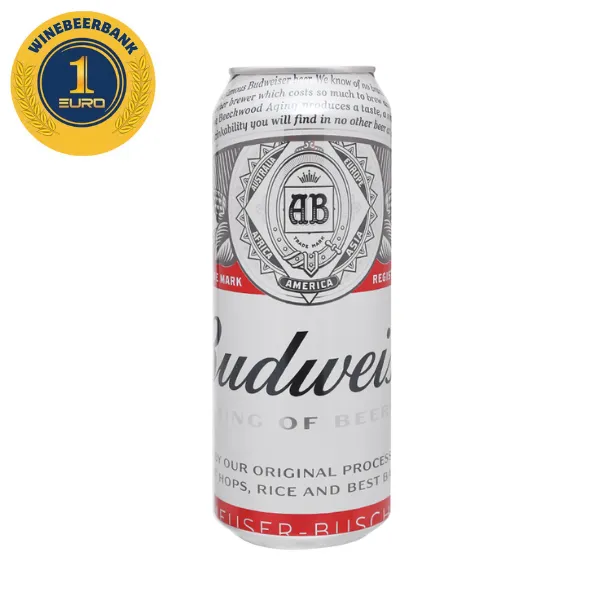
Rarely. Most Hanoi 7-Elevens and supermarkets stock only domestic brands and a few imported basics (Heineken, Budweiser). Specialty shops like 1EURO carry 260+ imported options; we deliver inside Hanoi via WhatsApp or you visit us at Kim Ma or The Manor Central Park.
What is the cheapest way to try imported beer in Hanoi?
Bia hơi is cheapest overall, but if you mean craft imports: visit 1EURO's shop, ask staff for entry-level Czech or German Pilsners (often more affordable than Belgian or specialty styles), buy a single bottle to test, and return for more if you enjoy it. Our 30-day guarantee covers taste mismatches.
Do Vietnamese restaurants serve imported beer, or only domestic?
Most casual bia hơi stalls and street restaurants serve only domestic brands and bia hơi. Mid-range and upscale restaurants (especially those serving international cuisine) stock imported beer. Ask your restaurant if they can order an import for you; if not, buy from 1EURO and ask if the restaurant permits outside bottles (many do for a small corkage fee or not at all).
How long can I keep imported beer at home in Hanoi's heat?
Hoppy imports (Pilsners, IPAs) degrade quickly in heat and light—consume within 3–6 months of brewery date, stored cool and dark. Darker styles (Stouts, Barley Wines, Trappists) age well and last 1–3 years if kept at 10–15°C. Avoid refrigerator-to-room-temp cycles; keep chilled once opened, drink within 4 hours. 1EURO staff can advise on storage for your apartment and the styles you buy.