Alcohol Laws Vietnam for Tourists: What You Can Bring & Buy
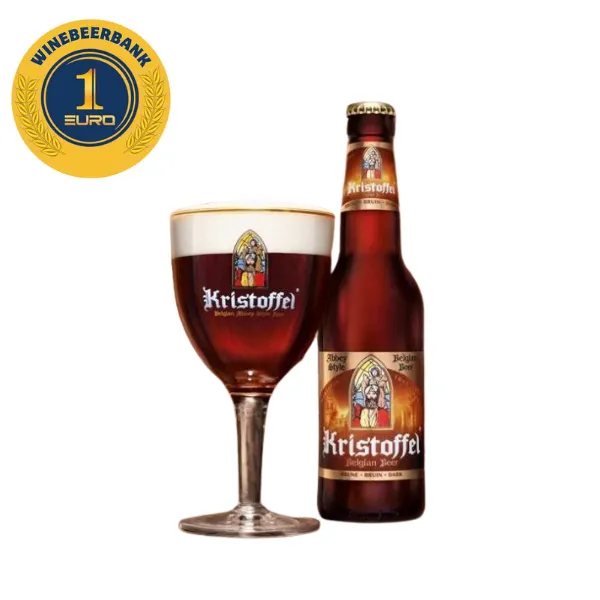
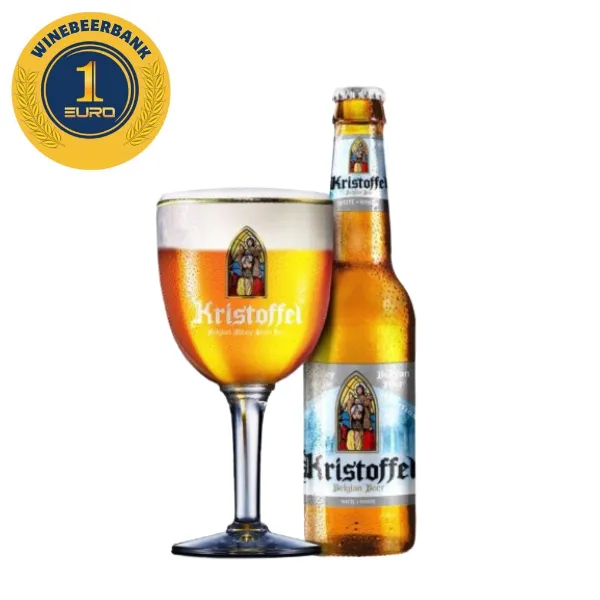
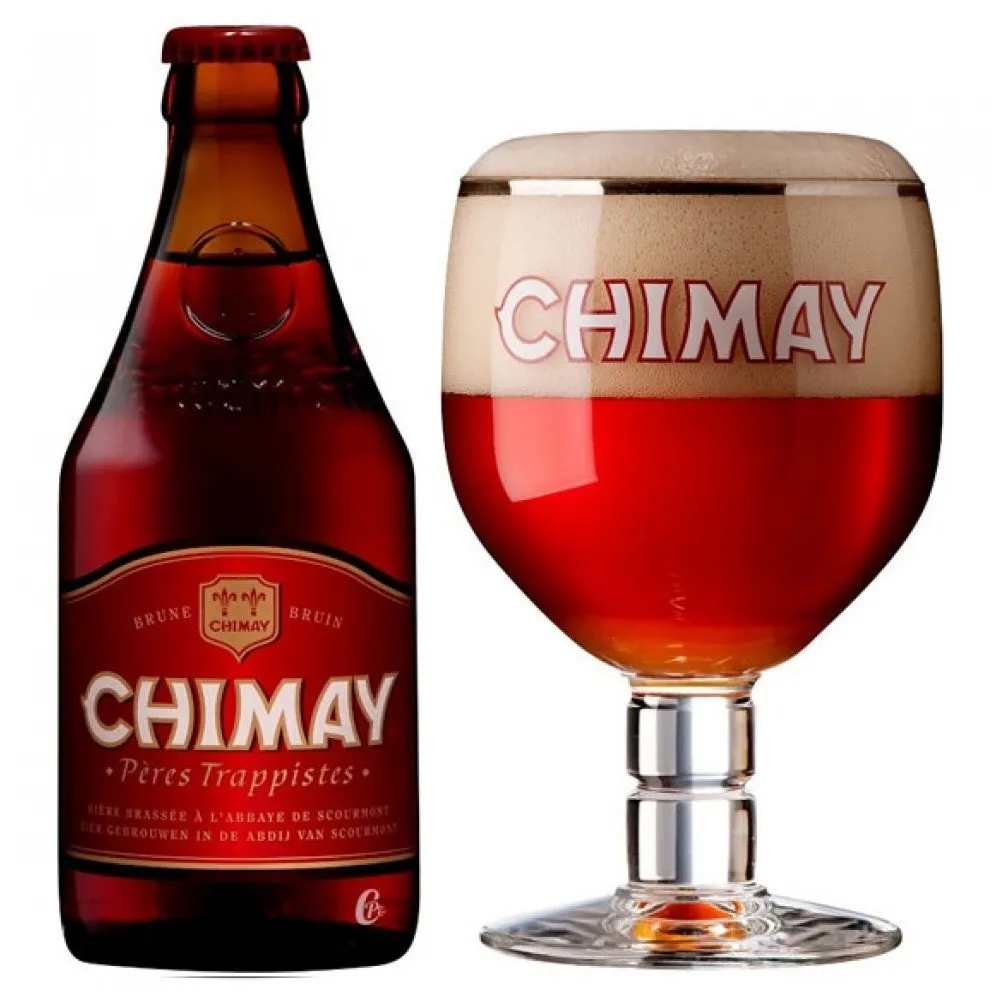
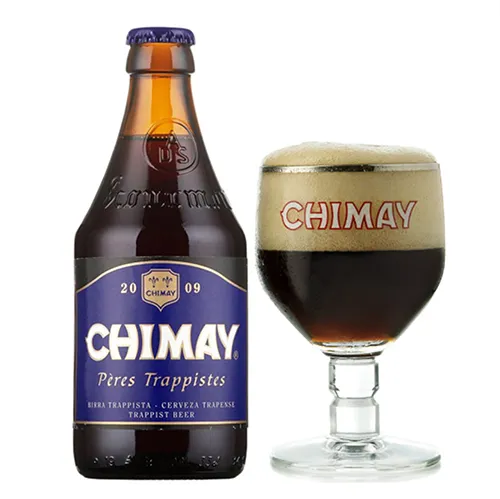
Vietnam permits tourists to bring one litre of spirits, two litres of wine, or three litres of beer per person duty-free through customs (based on General Department of Customs regulations). You may buy alcohol freely inside Vietnam—no age verification at most street stalls, though the official legal drinking age is 18. Import restrictions apply to bringing alcohol out of Vietnam (same limits apply). Hanoi shops like 1EURO stock imported German beer, Belgian ale, French and Italian wine legally; these are cleared through official channels and safe to purchase. Keep receipts if returning home with purchased bottles. Avoid counterfeit or unmarked street alcohol. Local craft beer and mass-market Vietnamese beer (Tiger, Saigon, Hanoi) carry no customs risk.
Vietnam's customs framework allows tourists significant personal alcohol imports, but misunderstanding the rules can lead to confiscation or fines at departure. Here's what actually matters.
What can you legally bring into Vietnam as a tourist?
The General Department of Customs allows one litre of spirits (whiskey, vodka, rum above 20% ABV), two litres of wine, or three litres of beer per person—duty-free. You must declare these at arrival if over limits; undeclared amounts may be seized. Tourists often ask whether miniatures count toward the litre limit (they do: 10×100 ml bottles = 1 litre). Keep original packaging and receipts. Customs officers rarely stop tourists with a single bottle of wine or beer, but organized imports or excess quantities trigger inspection.
Can you take duty-free alcohol out of Vietnam when you leave?
Yes—the same allowances apply in reverse. One litre of spirits, two litres of wine, or three litres of beer may leave Vietnam with you. Purchases inside Vietnam (from 1EURO or any licensed retailer) do not incur additional export tax if within these limits. Alcohol bought at Noi Bai, Tan Son Nhat, or Da Nang airports is already customs-cleared and legal to transport. Many tourists assume Vietnamese purchases are cheaper to export; in practice, imported spirits, wine, and craft beer in Hanoi shops are already priced competitively and legally cleared—buying from a licensed store removes customs risk entirely.
💬 Order on WhatsApp +84 984 914 461
Where do expats and tourists legally buy imported alcohol in Hanoi?
1EURO operates two Hanoi locations: Kim Ma, Ba Dinh district and The Manor Central Park, Hoang Mai district. Both stock over 260 genuine imported products—German beers, Belgian ales, French wines, Italian reds and whites, Chilean selections, and sparkling options—all legally imported and registered. Expats and travelers order via WhatsApp at +84 984 914 461 for delivery inside Hanoi or walk in. Prices are transparent and listed on the price list. Large supermarkets (Tray Mart, Saigon Co.op) sell Carlsberg, Guinness, and local brands but offer limited range. Avoid unmarked bottles from street vendors—counterfeit whiskey and adulterated rice wine circulate in tourist districts.
| Outlet Type | Brands | Risk Level | Why It Matters |
|---|---|---|---|
| Licensed shop (1EURO) | Imported German, Belgian, French, Italian, Spanish | None | Customs-cleared, original seal, receipt provided |
| Large supermarket | Carlsberg, Tiger, Heineken, local beer | Low | Mass-market only; no craft or specialty |
| Street vendor/market | Mixed brands, loose bottles | High | Counterfeits, no receipt, customs risk |
| Airport duty-free | Major brands, premium spirits | None | Pre-cleared; prices higher |
What are the penalties if you exceed alcohol import limits?
Customs officers may confiscate excess alcohol at the border (no reimbursement). Fines start at 3–5 million VND (~our current quote–our current quote) for undeclared imports of more than one litre of spirits; repeat offences or commercial-scale quantities invite criminal charges. Most tourists never face penalties because casual purchases within limits pass unnoticed. The risk rises if you carry multiple cases or commercial-quantity purchases (e.g., 50 bottles). If stopped, declare truthfully and cooperate—authorities focus on organized smuggling, not tourist oversight. Hanoi-based expats who purchase regularly from licensed shops like 1EURO have zero compliance concerns because every transaction is recorded and legally registered.
Is there an age restriction or ID check for buying alcohol in Vietnam?
Vietnam's legal drinking age is 18, but enforcement is minimal outside bars and restaurants. Street stalls, markets, and many convenience stores rarely ask ID. Licensed shops like 1EURO check ID for in-store or WhatsApp orders to comply with Vietnamese law and their import licenses. Tourists under 18 should be aware that while underage purchase is not criminalized as severely as in Western countries, it remains technically illegal. Hanoi nightlife venues (bars, clubs) do enforce age limits, especially for foreign-owned establishments. For visitors aged 18+, buying imported beer or wine from a registered shop provides a legal, receipt-tracked transaction.
How do you safely transport alcohol through Vietnamese airports and customs?
Pack alcohol in checked baggage only (never carry-on). Wrap each bottle in clothing or bubble wrap to prevent breakage and noise. Keep receipts from licensed retailers and customs declarations visible. At check-in, declare if you exceed one litre of spirits, two of wine, or three of beer. Noi Bai (Hanoi) and Tan Son Nhat (Ho Chi Minh City) customs lines move quickly; inspectors rarely open tourist bags unless flagged for undeclared high-value items. If returning home, pack purchases in the same section of your bag so you can point them out if asked. Duty-free purchases from Vietnamese airports are pre-cleared and have no export restriction. Never attempt to pack counterfeit or street-market alcohol—the risk of confiscation far outweighs any savings.
📋 See the price list
What to check before you buy
- Seal and label: Original cap/cork, clear Vietnamese or English label, no smudged printing.
- Receipt: Licensed retailers (1EURO, supermarkets) always provide one; street vendors may not.
- Quantity vs. intent: One bottle of wine = no issue; six cases = potential inspection.
- Storage post-purchase: Keep in cool, dark place; opened bottles cannot re-enter customs-free.
- Expiration date: Check vintage (wines) or best-by date (beer); Hanoi's heat can degrade cheap spirits quickly.
FAQ
Can I bring my own alcohol from home and drink it in Vietnam?
Yes. Tourists may import one litre of spirits, two of wine, or three of beer for personal consumption. Serving it to others or selling it is illegal.
Do I need a permit to buy beer or wine as a tourist in Vietnam?
No permit needed. Simply buy from any licensed retailer, get a receipt, and keep amounts within personal-use limits. 1EURO provides receipts for all orders.
What happens if I bring more than one litre of spirits?
Excess amounts may be confiscated at the border with no refund. Fines of 3–5 million VND may apply if you fail to declare. Expat friends from 1EURO's regular customer base avoid this by ordering in Hanoi legally.
Can I ship alcohol to Vietnam as a gift?
International alcohol shipments require import licenses and often face delays. Buying imported wine or beer in Hanoi via 1EURO WhatsApp is faster and legal; we deliver within the city.
Is counterfeit alcohol a real risk in Hanoi tourist areas?
Yes. Counterfeit whiskey, gin, and rice wine circulate on street stalls. Buy only from registered shops (1EURO, supermarkets, airports) and check seals closely; licensed retailers provide receipts that prove authenticity.
Do I pay tax on alcohol I buy inside Vietnam and take home?
No additional export tax if under duty-free limits (one litre spirits, two wine, three beer). Licensed shops like 1EURO already incorporate all taxes; no hidden fees apply at the border.